Relationship Therapy for One: What Happens When You Come in Without Your Partner
Many people assume that relationship therapy only works if both partners participate. In reality, relationship therapy can be incredibly effective even when one person is willing to do the work.
If you've been asking your partner to attend therapy, read relationship books, or have deeper conversations and nothing seems to change, you may feel stuck, discouraged, or alone. You might even wonder whether relationship therapy is worth pursuing if you're the only one showing up.
The good news is that relationship therapy isn't only about changing your relationship—it’s about changing your relationship with yourself. When you begin understanding your attachment patterns, nervous system responses, communication habits, and emotional needs, meaningful change often follows.
Here’s the truth most people don’t hear often enough:
You can create meaningful, lasting change in your relationship by committing to relationship therapy for one—even if your partner never joins you.
Why Relationship Therapy Works Even When Your Partner Doesn't Participate
Many clients come to therapy saying things like:
“I don’t know what I want anymore.”
“I say yes when I mean no.”
“I feel exhausted after most interactions.”
Often, these feelings are signs that you’ve been shape-shifting to preserve connection.
A helpful way to understand authenticity is through the idea of a full-body yes.
A full-body yes is what happens when your entire system agrees—not just your words. Your breathing feels open. Your jaw and shoulders are relaxed. There’s ease or genuine interest in your body.
Authenticity means saying yes when it’s a full-body yes—and no when it isn’t.
For many people, especially those with attachment wounds, this ability was never safe to develop.
One of the biggest misconceptions about relationship therapy is that both people have to be equally invested for healing to occur. While it can be helpful when both partners participate, relationship therapy often begins with one person becoming more aware of the patterns that keep the relationship stuck. As you learn to communicate differently, set healthier boundaries, and stay connected to yourself during conflict, the entire relationship system begins to shift.
How Relationship Therapy for One Works
Exploring Attachment History
Your earliest relationships were with your caregivers, and those relationships taught your nervous system how to survive connection.
If your caregivers were emotionally unavailable, unpredictable, critical, or dismissive, you may have learned that staying connected meant abandoning yourself. People-pleasing, conflict avoidance, and chronic self-doubt often develop this way—not as personality traits, but as survival strategies.
This is a core focus of relationship therapy, which I explore in depth in my pillar post, “Relationship Therapy: A Complete Guide to Healing Patterns, Communication, and Connection.”
Understanding your attachment history allows you to stop blaming yourself and start changing patterns with compassion.
Mapping the Relationship Dynamic (Without Blame)
Even when your partner isn’t present, we can clearly map the relational cycle you’re stuck in.
This is especially important for people who feel emotionally disconnected from their partner or more like roommates than romantic partners. If that resonates, you may also want to read “Relationship Therapy for People Who Feel Like Roommates Instead of Partners.”
In therapy, the focus isn’t on cataloging everything your partner does wrong. Instead, we look at:
Your triggers
Your nervous system responses
The behaviors you default to under stress
This clarity gives you leverage—and options.
Naming Triggers and Patterns
Once we slow the process down, patterns that once felt confusing start to make sense.
You begin to recognize what activates your nervous system and see how quickly your body moves to protection. You will also understand why certain conversations always end the same way. This awareness creates choice—and choice creates change.
Understanding Protective Parts (IFS-Informed Work)
Using an Internal Family Systems (IFS) approach, we explore the parts of you that learned how to keep you safe.
For example, if you shut down during conflict, there may be a protective part of you that believes emotional closeness leads to danger. That belief often comes from early experiences where conflict resulted in emotional harm, chaos, or abandonment.
Rather than forcing yourself to “communicate better,” relationship therapy for one helps you build trust with these parts so they no longer have to take over.
Building Communication Confidence Through Safety
As your nervous system becomes more regulated, communication begins to shift naturally.
Imagine what it would be like to express needs without over-explaining, stay present during difficult conversations, and set boundaries without guilt or fear.
This is one of the key differences between relationship therapy and traditional couples counseling, which I outline more fully in “Relationship Therapy vs Couples Counseling: What Is the Difference and Which Do You Need?”
What Relationship Therapy Can Help You Change
Rebuilding Boundaries Through Authenticity
When you reconnect with your internal yes and no, boundaries stop feeling harsh or selfish. They become information.
You begin to say no when something doesn’t align with your values or capacity—and yes when it truly does. This reduces resentment and emotional exhaustion over time.
Responding Instead of Reacting
As your nervous system settles, you gain the ability to pause.
Instead of reacting from old attachment wounds, you respond from clarity and self-trust. This shift alone can dramatically change the tone of your relationship.
Nervous System Healing with Brainspotting
I use Brainspotting to help clients process relational triggers at the nervous system level—without reliving trauma.
When your body feels safe, authenticity becomes possible. You no longer need to abandon yourself to stay connected.
How Relationship Therapy Creates Change Throughout the Relationship
Relationships are systems. When one person shifts, the system reorganizes.
When you stop people-pleasing, stop shutting down, and start showing up grounded and authentic, your partner often responds differently—even if they never attend therapy.
How Relationship Therapy for One Impacts the Relationship
Clearer, calmer communication
Faster de-escalation during conflict
Increased emotional safety
A stronger sense of self inside the relationship
Most importantly, you stop losing yourself in order to stay connected.
You Don’t Have to Wait for Your Partner
If something in this post has resonated—and you’ve been hearing that quiet inner voice telling you it’s time to focus on your own healing—I hope you listen.
Whether your partner is ready or not, there is a way to create real change.
Ready to Begin?
If a 2-day intensive feels like too much right now, I’ve opened a very limited number of longer, 100-minute sessions twice per month. These sessions allow for deep nervous system work, meaningful integration, and lasting momentum—without rushing the process.
Once these spots are filled, I won’t be opening more.
👉 Schedule a consultation to explore whether relationship therapy for one—or a relationship-focused intensive—is the right next step for you.
You don’t have to keep abandoning yourself to save your relationship.
You can begin by choosing yourself.
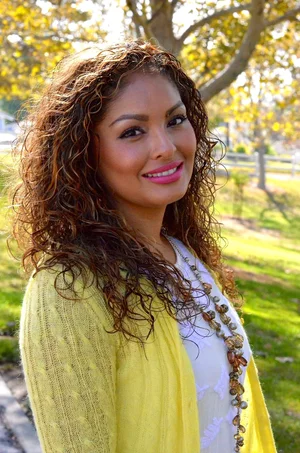
Alicia Taverner, LMFT, is a licensed marriage and family therapist who helps couples heal after infidelity, years of resentment, and the exhaustion of feeling stuck in the same painful patterns.
Her work helps partners begin to understand each other again, rebuild appreciation, and create lasting change with a focused, supportive approach. Alicia uses brain based techniques, including Brainspotting and ketamine assisted psychotherapy, in an intensive format that gives couples more room to heal without the start and stop of weekly sessions.
Learn more about Alicia’s work with affair recovery intensives, relationship therapy, and ketamine therapy, or visit her About page.