Finding a marriage counselor can be surprisingly difficult. And when your marriage is already struggling, the last thing you want is to spend hours searching Google, scrolling through therapist directories, and trying to figure out who might actually be able to help.
Thankfully, if you're looking for a marriage counselor in Rancho Cucamonga, you have options.
But having options doesn't necessarily make choosing easier.
Let's say you've already done the legwork. You've searched Google, looked through Yelp, maybe even asked a couple of friends for recommendations. Now you have a list of marriage counselors who seem nice enough.
Most therapists offer some type of initial consultation, but what exactly should you ask when you get them on the phone?
And more importantly, how do you know whether they're the right person to help you with your marriage?
Let's talk about it.
Finding the Right Marriage Counselor in Rancho Cucamonga

I know how hard it is to find a great therapist.
You might be wondering how I know that. Well, if you think therapists don't have their own therapists, you'd be mistaken!
Many of us do. And I think that's a good thing.
As therapists, it's important that we continue doing our own work. We need places to process our experiences, explore our blind spots, and make sure we're showing up as fully as possible for the people who trust us with their most vulnerable moments.
But here's the thing: It took me months to find the right therapist for myself.
So I know how dang hard it can be!
Now add the complexity of finding someone who can work with two people, two different perspectives, and years of shared history.
It's no wonder couples feel overwhelmed.
It can also be difficult to come to the realization that you need outside help with your marriage. Maybe you've been trying to work things out on your own for years. Maybe one of you is ready for counseling while the other is hesitant. Or maybe something happened recently that has shaken the foundation of your relationship.
Whatever brought you here, finding the right marriage counselor matters.
And not all marriage counseling is the same.
Here are six questions I'd encourage you to ask before choosing a therapist.
1. Do You Specialize in Marriage Counseling?
This is the first question I'd ask.
If you're having a problem with your foot, you'd probably see a podiatrist. If you need a cavity filled, you'd go to a dentist.
The same principle applies to your marriage.
Just because someone is a licensed therapist doesn't automatically mean they have extensive training or experience working with couples.
Couples therapy is different from individual therapy. Your marriage counselor needs to understand relationship dynamics, attachment patterns, conflict cycles, and how to work with two people who may have very different experiences of the same relationship.
And they need to know how to remain balanced without turning sessions into a courtroom where each person argues their case.
Ask your potential marriage counselor:
How much of your practice is dedicated to working with couples?
What additional training have you completed in marriage counseling?
Do you regularly work with couples experiencing problems similar to ours?
You want someone who genuinely enjoys working with couples and has invested in developing the skills to do it well.
2. What Type of Marriage Counseling Do You Practice?
There are several approaches to marriage counseling, and understanding how your therapist works can give you a better idea of what to expect.
Two well-established approaches include:
The Gottman Method: This approach focuses on understanding relationship dynamics, improving communication, managing conflict, and strengthening friendship and emotional connection between partners.
Emotionally Focused Therapy (EFT): This approach focuses on attachment, emotional connection, and helping couples recognize the negative cycles that keep them feeling disconnected.
Some therapists also integrate trauma-informed approaches, attachment work, and other methods depending on the needs of the couple.
At Rancho Counseling, I draw from my training in the Gottman Method, Brainspotting, and other trauma-informed approaches to help couples explore not only what's happening between them, but also what's happening within each person.
Because sometimes the argument about the dishes isn't really about the dishes.
It's about feeling unimportant, unseen, criticized, or alone.
And until we understand what's underneath those reactions, couples can find themselves having the same arguments over and over again.
The goal isn't simply to teach you how to communicate better. It's to understand why you keep getting stuck in the first place.
3. Do You Accept Insurance, and What Will Marriage Counseling Cost?
I know cost matters.
Marriage counseling is an investment, and depending on your financial situation, paying out of pocket may not be realistic.
But I would encourage you not to make insurance coverage your only deciding factor.
Your marriage is one of the most significant relationships in your life. When that relationship is struggling, the pain can spill into nearly every area of your life.
Finding a therapist who is experienced in the issues you're facing may be worth considering, even if that means looking outside your insurance network.
That doesn't mean more expensive therapy is automatically better. It means training, experience, approach, and fit deserve consideration alongside cost.
If you're planning to use insurance, ask which plans the therapist accepts and whether your specific services are covered.
You should also contact your insurance company directly. Some plans have limitations around couples counseling, particularly when treatment isn't connected to a covered mental health diagnosis.
If you're paying privately, ask about session fees, appointment lengths, and whether there are other treatment formats available.
At Rancho Counseling, I work on an out-of-network basis and can provide superbills when appropriate for clients seeking possible reimbursement.
The important thing is to understand your options before beginning so there aren't any financial surprises.
4. What Is Your Process for Working With New Couples?

This is a question I don't think enough couples ask.
Some marriage counselors begin with a standard intake session and then move directly into weekly appointments.
Others use a more structured assessment process that may include relationship questionnaires, individual conversations, and time spent understanding each partner's history.
Neither approach is automatically right for everyone.
But you should understand what the first few appointments will look like and how your therapist plans to help you move toward your goals.
At Rancho Counseling, I believe it's important to understand the bigger picture of what's happening in a relationship rather than simply jumping into whichever argument happened most recently.
That means exploring your relationship history, recurring patterns, individual experiences, and the concerns that brought you into counseling.
Depending on your needs, we may work together through ongoing couples therapy or a more concentrated couples therapy intensive.
The question I would encourage you to ask is:
How will we know what we're working toward, and how will we recognize whether counseling is helping?
A good marriage counselor should be able to explain their process in a way that makes sense to you.
5. Have You Worked With Couples Experiencing Problems Like Ours?
Not every couple enters marriage counseling for the same reason.
Some couples are dealing with years of emotional disconnection. They love each other, but somewhere along the way, they've become more like roommates than romantic partners.
Others are stuck in constant arguments. Every conversation seems to escalate, and neither person feels heard.
Some are trying to recover from an affair or another major betrayal.
And others are wondering whether they even want to stay married.
These situations require different kinds of support.
For example, a couple trying to rebuild trust after infidelity may need a different approach than a couple who wants to feel emotionally connected again.
And when one partner is seriously considering leaving the marriage, traditional couples counseling may not be the best starting point. Discernment counseling may be more appropriate.
You don't need to share every intimate detail during a 15-minute consultation.
But I would encourage you to briefly describe what's happening and ask whether the therapist has experience helping couples navigate similar challenges.
You want to know that you're not the first couple they've encountered with this particular struggle.
6. How Do We Know If You're the Right Marriage Counselor for Us?
Here's something that might surprise you.
You don't have to feel an instant connection with a therapist to have a successful experience in counseling.
But you should feel comfortable enough to be honest.
And when you're attending marriage counseling, both partners need to feel that the therapist is making an effort to understand their perspectives.
That doesn't mean the therapist will agree with both of you all the time.
In fact, good couples therapy sometimes involves being challenged.
You might hear something you don't particularly want to hear. You might be asked to take responsibility for behaviors you've spent years justifying.
But you should feel that your therapist is working in service of the relationship and the goals you've established together, rather than taking sides.
During your consultation, pay attention to how the therapist responds.
Do they seem curious about what's happening?
Do they explain their approach clearly?
Do you feel comfortable asking questions?
And perhaps most importantly, can you imagine having difficult, honest conversations with this person?
Those things matter.
What If Weekly Marriage Counseling Isn't Enough?
Most people imagine marriage counseling as sitting in an office for 50 minutes once a week.
And for many couples, that format can be helpful.
But it's not the only option.
Sometimes couples have spent years repeating the same painful patterns. By the time they finally reach out for help, they're exhausted, disconnected, and wondering whether anything can actually change.
Other couples simply don't want to spend months trying to get to the heart of what's happening.
That's one reason I offer couples therapy intensives in Rancho Cucamonga.
Rather than spreading our work across multiple weeks, intensives allow us to spend several concentrated hours exploring the patterns, emotional injuries, and underlying experiences contributing to relationship distress.
This format gives us more uninterrupted time to understand what's happening and begin working toward meaningful changes.
Intensives aren't appropriate for every couple, and they don't guarantee faster results. But for some relationships, having that extended time together can create opportunities for deeper exploration that are harder to accomplish in shorter sessions.
Learn more about Couples Therapy Intensives at Rancho Counseling.
Looking for a Marriage Counselor in Rancho Cucamonga?
Choosing a marriage counselor is a personal decision.
And I hope these questions help you feel a little more confident as you explore your options.
You don't need to find the most popular therapist, the one with the fanciest office, or even the person with the longest list of credentials.
You need someone who understands the kind of help you're looking for, has the training to provide it, and feels like a good fit for both of you.
At Rancho Counseling, I work with couples who are navigating disconnection, recurring conflict, betrayal, and difficult decisions about the future of their relationships.
My office is located in Rancho Cucamonga, California, and I also offer online therapy for couples throughout California.
If you're wondering whether we're a good fit, I'd love to hear what's happening.
Call (909) 600-0306 to schedule a free 15-minute phone consultation.
We can talk briefly about what you're experiencing, explore what kind of support might be helpful, and determine whether working together makes sense.
And if I'm not the right therapist for your situation, I'm happy to help point you in another direction.
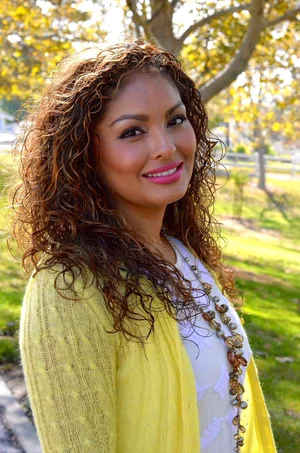
Alicia Taverner, LMFT, is a licensed marriage and family therapist who helps couples heal after infidelity, years of resentment, and the exhaustion of feeling stuck in the same painful patterns.
Her work helps partners begin to understand each other again, rebuild appreciation, and create lasting change with a focused, supportive approach. Alicia uses brain based techniques, including Brainspotting and ketamine assisted psychotherapy, in an intensive format that gives couples more room to heal without the start and stop of weekly sessions.
Learn more about Alicia’s work with affair recovery intensives, relationship therapy, and ketamine therapy, or visit her About page.