
Blog

The Power of Healing in Community: Why Deep Friendships Matter More Than Ever
There is something incredibly moving about witnessing another person’s breakthrough, about sitting in a room where pain, joy, grief, and hope are all held at once by a group of open-hearted women. It’s a reminder that we are never as alone as we think we are.
Remember when you were a kid and you and your best friend were inseparable? You rode bikes together, ran back and forth between each other’s houses, and stayed up way too late laughing at absolutely nothing—yet everything—all at once.
Those friendships were more than just fun; they were essential to your well-being. As children, we instinctively understood that connection and belonging were fundamental to our happiness. But as we move into adulthood, societal norms shift, and many of us lose that built-in closeness. Instead of prioritizing friendships, we often isolate ourselves, believing that self-sufficiency is the ultimate goal.
Healing in Community: A Lost Art in Western Culture
In many cultures outside the U.S., healing, problem-solving, and emotional well-being are deeply rooted in community. In African, Indigenous, and Eastern traditions, gathering in circles, sharing experiences, and seeking wisdom from elders or peers is the norm. These cultures recognize that no one heals alone—whether through women's circles, men's groups, or intergenerational storytelling, they understand that communal support is one of the most powerful tools for emotional and physical well-being.
Yet in Western society, the emphasis on individualism often leads us to believe we must navigate life’s challenges alone. We seek therapists, self-help books, and personal development courses—valuable tools, but often solitary ones. What if, instead, we leaned into friendship and community as our first source of healing, as so many other cultures do?
A Personal Witness to the Power of Connection
I’ve recently been experiencing firsthand just how powerful community healing can be. Over the last two sessions of our KAP group for women, I’ve had the privilege of witnessing something truly profound—women showing up in their rawest, most vulnerable states and being fully seen. I’ve watched as walls crumbled, as shared experiences wove invisible threads of connection between strangers, and as deep healing took place—not in isolation, but in the collective presence of others who understood.
There is something incredibly moving about witnessing another person’s breakthrough, about sitting in a room where pain, joy, grief, and hope are all held at once by a group of open-hearted women. It’s a reminder that we are never as alone as we think we are.
Seeing this unfold has been such a gift. It reinforces what so many other cultures have always known: healing doesn’t happen in isolation—it happens in togetherness. And that togetherness isn’t just about support; it’s about shared humanity.
The Power of Same-Sex Friendships
One of the most impactful ways to cultivate deep connection and healing is through same-sex friendships. These relationships provide a unique space for understanding and support. There’s a shared experience—whether it’s navigating societal expectations, career challenges, relationships, or family dynamics—that creates an unspoken bond.
Unlike romantic relationships, same-sex friendships remove the pressure of attraction or traditional partnership roles, creating a space of pure emotional safety. A close friend of the same gender can often offer insights, comfort, and encouragement in a way that even the most loving romantic partner might not be able to.
Why Adult Friendships Feel Harder (But Are Worth It)
Many of us find that childhood friendships fade as life gets busier. Work, family, and other obligations take priority, and without the built-in structure of school, maintaining or forming new friendships requires more intentional effort.
Modern work culture can also make it challenging. Some workplaces foster competition rather than camaraderie, and age gaps among colleagues may create barriers to deeper connection. Unlike college or childhood, where friendships happened organically, adulthood often requires us to actively seek out and nurture relationships.
But here’s the truth: meaningful friendships don’t just enrich our lives—they transform them. They help us heal, grow, and become better versions of ourselves.
Finding Your Circle
If you’ve found yourself longing for deeper friendships, it’s time to step out of your comfort zone and find ways to connect. The good news? Many people feel the same way, and there are countless ways to meet like-minded friends:
Community Groups & Gatherings: Many cultures prioritize group gatherings for emotional and spiritual growth. Look for women’s circles, men’s groups, or community meetups that align with your values.
Interest-Based Groups: Websites like Meetup.com offer thousands of groups catering to hobbies, fitness, spirituality, and life stages (moms, singles, couples, etc.).
Volunteering: Getting involved in local causes not only gives back to the community but also connects you with others who share your passions.
Fitness & Outdoor Activities: Adult sports leagues, hiking clubs, and running groups create natural environments for forming bonds.
Virtual Friendships: While in-person connection is ideal, technology allows us to form meaningful relationships across distances. Virtual coffee dates via Zoom or social media groups can lead to real friendships.
You’re Invited: 12-Week Ketamine-Assisted Psychotherapy Group for Women
If you’re longing for meaningful connection, healing, and a safe space to grow, I invite you to join our 12-week Ketamine-Assisted Psychotherapy (KAP) group for women. This program is designed to create deep, transformative healing through the combination of ketamine therapy and the power of a supportive, like-minded community. Click here for more information about KAP Group for women.
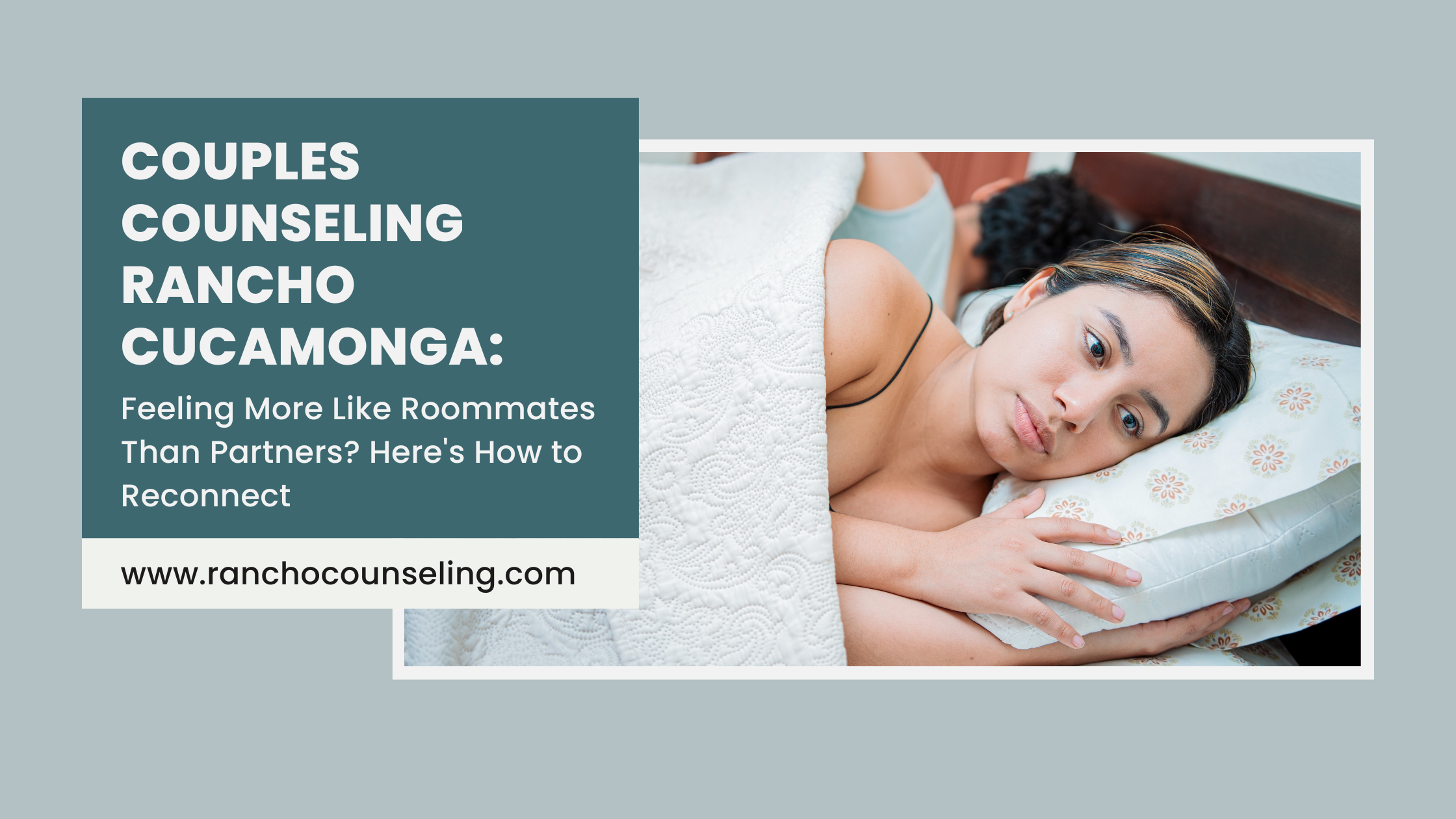
Couples Counseling Rancho Cucamonga: Feeling More Like Roommates Than Partners? Here's How to Reconnect
Has your relationship started feeling more like a roommate situation than a romantic partnership? Learn practical ways to reconnect and discover how couples counseling in Rancho Cucamonga can help you rebuild intimacy, improve communication, and strengthen your relationship.
Have you ever looked at your partner and realized that somewhere along the way, your relationship started feeling more like a business partnership than a romantic relationship?
You share responsibilities. You coordinate schedules. You discuss the kids, work, bills, and household tasks. Yet despite spending time together every day, you may feel emotionally disconnected and lonely.
If this sounds familiar, you're not alone. Many couples seek couples counseling in Rancho Cucamonga because they feel stuck in a pattern of coexisting rather than truly connecting. The good news is that this dynamic is common—and it can be changed.

When Did We Become Roommates?
Most relationships don't suddenly fall apart. Instead, they slowly drift apart over time.
In the beginning, connection often feels effortless. You stay up late talking, laugh together, flirt throughout the day, and look forward to spending time with one another.
Then life happens.
Careers become more demanding. Children enter the picture. Aging parents need support. Stress increases. Before you know it, your conversations revolve around logistics:
Who's picking up the kids?
Did you pay that bill?
What's for dinner?
What time is soccer practice?
The emotional connection that once felt natural begins to take a back seat.
Many couples who come to marriage counseling in Rancho Cucamonga tell me the same thing:
"We don't fight all the time. We just don't feel close anymore."
That emotional distance can feel just as painful as conflict.
Why Simply Spending Time Together Isn't Enough
One of the biggest misconceptions couples have is that being physically together automatically creates connection.
You can sit on the same couch every night and still feel miles apart.
You can sleep in the same bed and still feel lonely.
You can spend every weekend together and still feel emotionally disconnected.
True intimacy requires more than proximity. It requires intentional emotional engagement.
Connection happens when partners feel seen, heard, understood, and valued.
Without those experiences, relationships can begin to feel empty—even when everything appears fine from the outside.
Signs You May Be Stuck in the Roommate Phase
Many couples don't recognize how disconnected they've become until the distance feels overwhelming.
Some common signs include:
Conversations revolve mostly around responsibilities.
Physical affection has significantly decreased.
You rarely spend quality time together.
You feel more like co-parents than romantic partners.
Small disagreements quickly turn into arguments.
You avoid difficult conversations.
You feel lonely even when you're together.
Your relationship feels stagnant or repetitive.
If several of these sound familiar, couples therapy in Rancho Cucamonga can help you identify what's keeping you stuck and create new patterns of connection.

Reconnecting Doesn't Have to Mean Expensive Date Nights
You've probably heard the advice:
"Just have a weekly date night."
While date nights can be helpful, many couples struggle to make them happen consistently. Between busy schedules, childcare responsibilities, and exhaustion, it can feel impossible.
The truth is that meaningful connection often happens in small moments rather than grand gestures.
Here are several practical ways to begin rebuilding emotional intimacy.
1. Create Daily Emotional Check-Ins
Spend five minutes each day checking in emotionally.
Instead of asking:
"How was your day?"
Try questions like:
What was the best part of your day?
What felt stressful today?
Is there anything you need support with right now?
What are you looking forward to this week?
These conversations help you stay emotionally connected even during busy seasons.
2. Schedule Screen-Free Connection Time
Technology often becomes the third person in the relationship.
Choose one evening each week to put away phones, turn off the television, and focus on each other.
You might:
Cook together
Take a walk
Play a game
Sit outside and talk
Share a dessert after the kids are asleep
The goal isn't perfection—it's presence.
3. Break Out of Autopilot
Many couples operate on autopilot for years.
Try introducing something new into your routine:
Grab coffee together before work.
Take a morning walk.
Visit a new restaurant.
Explore a local hiking trail.
Attend a community event.
Novel experiences activate parts of the brain associated with excitement and bonding.
4. Prioritize Physical Affection
Physical touch is one of the simplest ways to increase connection.
Research consistently shows that affectionate touch helps partners feel safer and more emotionally connected.
Start small:
Hold hands.
Sit closer together.
Hug for 10 seconds.
Kiss hello and goodbye.
Put your hand on your partner's shoulder when talking.
These small moments can have a surprisingly powerful impact.
5. Bring Back Playfulness
Many couples stop having fun together long before they stop loving each other.
Laughter helps reduce stress, increases connection, and reminds you why you chose each other in the first place.
Try:
A game night
Mini golf
An escape room
A cooking class
Dancing in the kitchen
Watching a comedy special
Playfulness creates opportunities for positive interactions that strengthen your bond.
6. Protect Time for Your Relationship
Your relationship deserves intentional attention.
Just as you schedule meetings, appointments, and activities for your children, schedule time for your marriage.
Even one uninterrupted hour each week can make a meaningful difference when it becomes a consistent priority.
When Reconnection Efforts Aren't Enough
Sometimes the issue isn't simply a lack of quality time.
Many couples are carrying deeper wounds beneath the surface:
Resentment
Chronic conflict
Communication problems
Trust issues
Emotional disconnection
Unresolved hurts
Differences in parenting or values
When these patterns are present, date nights alone often aren't enough to create lasting change.
This is where couples counseling in Rancho Cucamonga can be incredibly valuable.
A skilled couples therapist can help you identify the cycle you're stuck in, improve communication, rebuild emotional safety, and strengthen the connection that brought you together in the first place.
Couples Counseling Rancho Cucamonga: Rebuild Your Connection
If you feel more like roommates than partners, don't wait until the distance becomes unbearable.
Relationships rarely improve by accident. They improve when both partners intentionally invest in understanding each other and creating new patterns of connection.
Whether you're feeling disconnected, struggling with communication, or simply wanting to strengthen your relationship, couples counseling can help you reconnect and move forward together.
Ready to Feel Close Again?
I offer couples counseling and intensives in Rancho Cucamonga for couples who want to improve communication, rebuild intimacy, and create a stronger relationship.
Schedule a free 15-minute consultation today and take the first step toward feeling like partners—not roommates—again.
Alicia Taverner, LMFT, is a licensed marriage and family therapist who helps couples heal after infidelity, years of resentment, and the exhaustion of feeling stuck in the same painful patterns.
Her work helps partners begin to understand each other again, rebuild appreciation, and create lasting change with a focused, supportive approach. Alicia uses brain based techniques, including Brainspotting and ketamine assisted psychotherapy, in an intensive format that gives couples more room to heal without the start and stop of weekly sessions.
Learn more about Alicia’s work with affair recovery intensives, relationship therapy, and ketamine therapy, or visit her About page.

The Truth About Happiness: What Counseling in Rancho Cucamonga Can Teach You
Many people come to counseling in Rancho Cucamonga saying, "I just want to be happy." But happiness isn't a permanent state—it's an emotion that comes and goes. Discover how therapy can help you build self-acceptance, emotional resilience, and create more space for the moments of joy that matter most.

"I just want to be happy."
This is one of the most common things I hear from clients when they begin counseling in Rancho Cucamonga. Whether they're struggling with anxiety, relationship issues, burnout, grief, or trauma, many people arrive in therapy hoping to finally find happiness.
My follow-up question is usually:
"What does happiness actually mean to you?"
The answer is different for everyone.
For me, happiness looks like watching my children get lost in creativity while music plays in the background. It's jumping into the pool after a long, hot day. It's laughing with my husband over silly inside jokes after the kids have gone to bed. It's sitting on the beach, feeling the sun on my skin while watching my family enjoy the ocean.
These moments matter because they remind me that happiness isn't something we achieve—it's something we experience.
Happiness Is an Emotion, Not a Destination
One of the biggest misconceptions I see in counseling is the belief that happiness is a permanent state we can eventually reach if we work hard enough.
Our culture reinforces this idea constantly.
We're told that buying the right product, earning the next promotion, getting the degree, finding the perfect partner, or reaching a certain income level will finally make us happy.
But if you've ever achieved a major goal, you've probably noticed something interesting:
The happiness doesn't last.
You feel excited for a while. You celebrate. You enjoy the accomplishment.
Then life continues.
The promotion becomes your normal job.
The new house becomes your regular home.
The degree becomes a piece of paper hanging on the wall.
And you're still you.
This isn't because something is wrong with you. It's because happiness was never meant to be a constant state.
Why Chasing Happiness Often Leaves You Feeling Empty
Many people come to counseling in Rancho Cucamonga feeling frustrated because they have everything they thought they were supposed to want, yet they still don't feel happy all the time.
The truth is that happiness isn't meant to be experienced every moment of every day.
Without sadness, we wouldn't recognize joy.
Without grief, we wouldn't understand love.
Without disappointment, we wouldn't appreciate success.
Life is meant to include the full range of human emotions.
The goal isn't to eliminate pain. The goal is to develop the ability to move through it.
Therapy Won't Make You Happy
That may sound surprising coming from a therapist.
But therapy isn't designed to make you happy.
Working through trauma won't magically make you happy.
Healing relationship wounds won't make you happy all the time.
Resolving anxiety won't guarantee constant happiness.
What therapy does is something much more valuable:
It increases your capacity to experience life fully.
Through counseling, you learn how to sit with difficult emotions instead of avoiding them. You begin to understand what your anger, grief, fear, and sadness are trying to teach you. You develop tools to navigate life's challenges without becoming overwhelmed by them.
And when you're no longer spending all your energy fighting your emotions, you create more space for joy, connection, peace, and happiness when those moments naturally arise.
What Counseling in Rancho Cucamonga Can Help You Discover
One of the most powerful lessons therapy teaches is that every emotion has value.
Your sadness isn't a problem to solve.
Your anger isn't something to suppress.
Your fear isn't proof that you're broken.
A good therapist helps you understand that even in your darkest moments, you are still worthy of love, connection, and acceptance.
When you learn to welcome the difficult emotions with the same openness that you welcome happiness, something shifts.
You stop fighting yourself.
You stop judging yourself.
You begin to accept yourself.
And often, what people discover is that they weren't really searching for happiness at all.
They were searching for self-acceptance.
They were searching for self-compassion.
They were searching for permission to be fully human.
Perhaps Self-Acceptance Is What You're Really Looking For
If you've been chasing happiness and feeling disappointed that it never seems to last, you aren't failing.
You're simply chasing something that was never meant to be permanent.
Happiness comes and goes.
Joy comes and goes.
So do grief, anger, fear, and sadness.
The goal isn't to hold onto happiness forever.
The goal is to create a life where you have the emotional capacity to experience all of it.
If you're feeling overwhelmed, disconnected, or like you've lost the ability to enjoy the moments that matter most, counseling in Rancho Cucamonga can help.
Together, we can create more space for self-acceptance, emotional resilience, and the moments of happiness that naturally arise along the way.
What brings you happiness? I'd love to hear your answer.
And if you feel like you've lost touch with joy altogether, reach out today to schedule a free 15-minute consultation and learn how counseling can help you reconnect with yourself.
Alicia Taverner, LMFT, is a licensed marriage and family therapist who helps couples heal after infidelity, years of resentment, and the exhaustion of feeling stuck in the same painful patterns.
Her work helps partners begin to understand each other again, rebuild appreciation, and create lasting change with a focused, supportive approach. Alicia uses brain based techniques, including Brainspotting and ketamine assisted psychotherapy, in an intensive format that gives couples more room to heal without the start and stop of weekly sessions.
Learn more about Alicia’s work with affair recovery intensives, relationship therapy, and ketamine therapy, or visit her About page.

Couples Counseling Intensive in Rancho Cucamonga | Fast-Track Relationship Healing
Feeling stuck in the same relationship patterns but don't have time for weekly therapy? A couples counseling intensive offers a focused, accelerated approach to improving communication, rebuilding trust, and creating lasting change—without months of traditional sessions. Discover how a couples counseling intensive in Rancho Cucamonga can help you reconnect faster.

You know your relationship needs help.
You know you're tired of the arguments, the silence, the tension, and the feeling that you're constantly walking on eggshells around each other.
You've thought about reaching out for help more times than you can count. You've read blog posts, listened to podcasts, searched for answers online, and maybe you've even spent time exploring my website. But every time you consider scheduling therapy, something stops you.
Maybe it's your schedule.
Maybe it's the thought of committing to weekly sessions for months.
Maybe you're worried that healing your relationship will take longer than you can realistically manage.
If that sounds familiar, you're not alone.
Many of the couples who contact me are highly motivated to improve their relationship. They aren't avoiding the work—they simply don't have the time or flexibility for traditional weekly therapy. Between demanding careers, children, travel schedules, and everyday responsibilities, finding the same hour every week can feel nearly impossible.
The good news? There is another option.
When Weekly Therapy Doesn't Fit Your Life
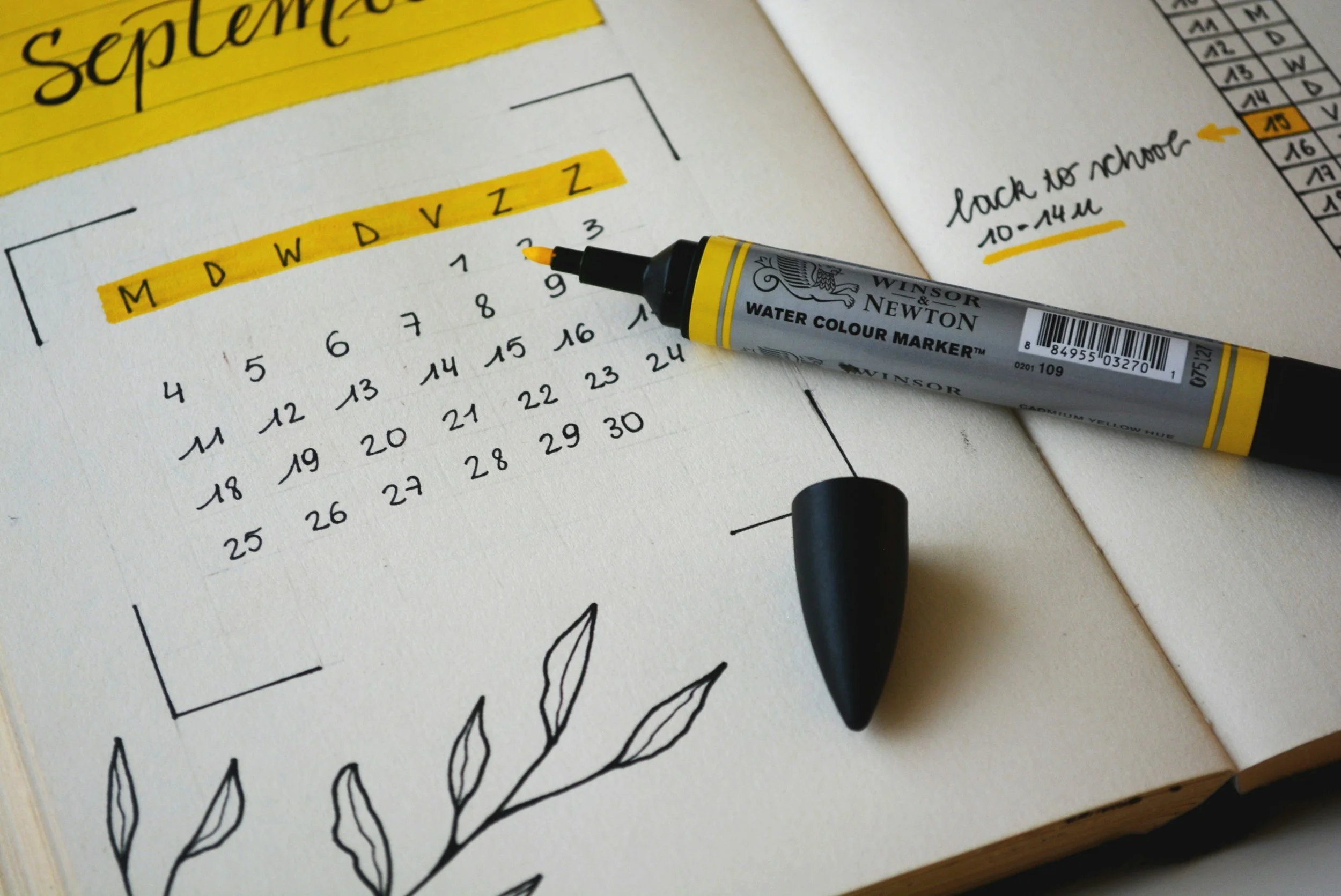
Traditional couples counseling can be incredibly effective, but it isn't always the best fit for every couple.
A typical 50-minute session often looks something like this:
10 minutes catching up and discussing what's happened since the last session
30 minutes focused on the actual therapeutic work
10 minutes wrapping up, summarizing, and preparing for the week ahead
While meaningful progress absolutely happens in weekly therapy, it can sometimes feel frustratingly slow—especially when you're dealing with significant relationship challenges such as:
Frequent conflict and communication breakdowns
Emotional disconnection
Trust issues
Resentment from unresolved hurts
Attachment wounds
Infidelity recovery
Feeling more like roommates than romantic partners
Often, just as you're beginning to access the deeper layers of the issue, the session ends. Then you spend another week waiting to pick up where you left off.
For couples in crisis or couples who are highly motivated to create change, that stop-and-start process can feel exhausting.
What Is a Couples Counseling Intensive?
A couples counseling intensive is an accelerated approach to relationship therapy that allows you to accomplish months of work in a much shorter period of time.
Instead of squeezing your relationship into a 50-minute appointment each week, you dedicate several uninterrupted hours to focused healing and growth.
During a couples counseling intensive, we have the time and space to:
Identify the root causes of recurring conflict
Improve communication and emotional safety
Explore attachment wounds and relationship patterns
Address trust violations and betrayals
Develop practical tools for managing difficult conversations
Create a roadmap for moving forward together
Rather than stopping just as the conversation becomes meaningful, we can stay with the process long enough to create real breakthroughs.
Why Couples Love Intensives
One of the things I hear most often from couples after an intensive is:
"We accomplished more in one day than we have in months of trying to figure this out on our own."
That's because there is something incredibly powerful about uninterrupted time.
No rushing.
No watching the clock.
No wondering whether you have enough time to bring up the issue that's been bothering you all week.
Just focused, intentional work on the relationship that matters most.
These sessions are often deeply productive because we can move beyond surface-level conversations and get to the heart of what's keeping you stuck.
Faster Progress Without Putting Your Life on Hold
Healing attachment wounds, rebuilding trust, and changing long-standing communication patterns requires effort and commitment.
But it doesn't necessarily require months of weekly appointments.
A couples counseling intensive allows you to make meaningful progress while still honoring the realities of your busy life.
Whether you choose two 4-hour sessions or a full-day 8-hour intensive, you'll have the opportunity to dive deeply into your relationship and begin creating lasting change.
Many couples find that intensives fit their schedules far better than weekly therapy, especially during busy seasons filled with work obligations, vacations, children's activities, and family commitments.
Your Relationship Deserves More Than "When Things Slow Down"
Summer gets busy.
The holidays get busy.
Work gets busy.
Life always seems busy.
If you've been waiting for the perfect time to work on your relationship, you may be waiting forever.
The truth is that your relationship deserves attention now—not someday.
If you're ready to stop repeating the same arguments, start feeling heard, and create meaningful change in your relationship, a couples counseling intensive in Rancho Cucamonga may be exactly what you're looking for.
You don't have to put your healing on hold simply because weekly therapy doesn't fit your schedule.
Ready to Learn More?
Schedule your free phone consultation today to find out whether a couples counseling intensive is the right fit for you and your relationship. Together, we'll create a plan that helps you move forward with greater clarity, connection, and hope.
Alicia Taverner, LMFT, is a licensed marriage and family therapist who helps couples heal after infidelity, years of resentment, and the exhaustion of feeling stuck in the same painful patterns.
Her work helps partners begin to understand each other again, rebuild appreciation, and create lasting change with a focused, supportive approach. Alicia uses brain based techniques, including Brainspotting and ketamine assisted psychotherapy, in an intensive format that gives couples more room to heal without the start and stop of weekly sessions.
Learn more about Alicia’s work with affair recovery intensives, relationship therapy, and ketamine therapy, or visit her About page.
What does Ketamine Therapy feel Like?
Wondering what ketamine therapy feels like? Learn what to expect during a Ketamine-Assisted Psychotherapy session, from dream-like experiences and emotional breakthroughs to the powerful role of integration in creating lasting healing.
If you're considering ketamine therapy, one of the first questions you probably have is: What does ketamine actually feel like?
As a therapist providing Ketamine-Assisted Psychotherapy (KAP) in California, I hear this question all the time. It's understandable. If you've never experienced a psychedelic medicine before, it can be difficult to imagine what happens during a ketamine session.
The truth is that every ketamine journey is unique. Even the same person can have very different experiences from one session to the next. However, there are some common themes that many people report during ketamine therapy.
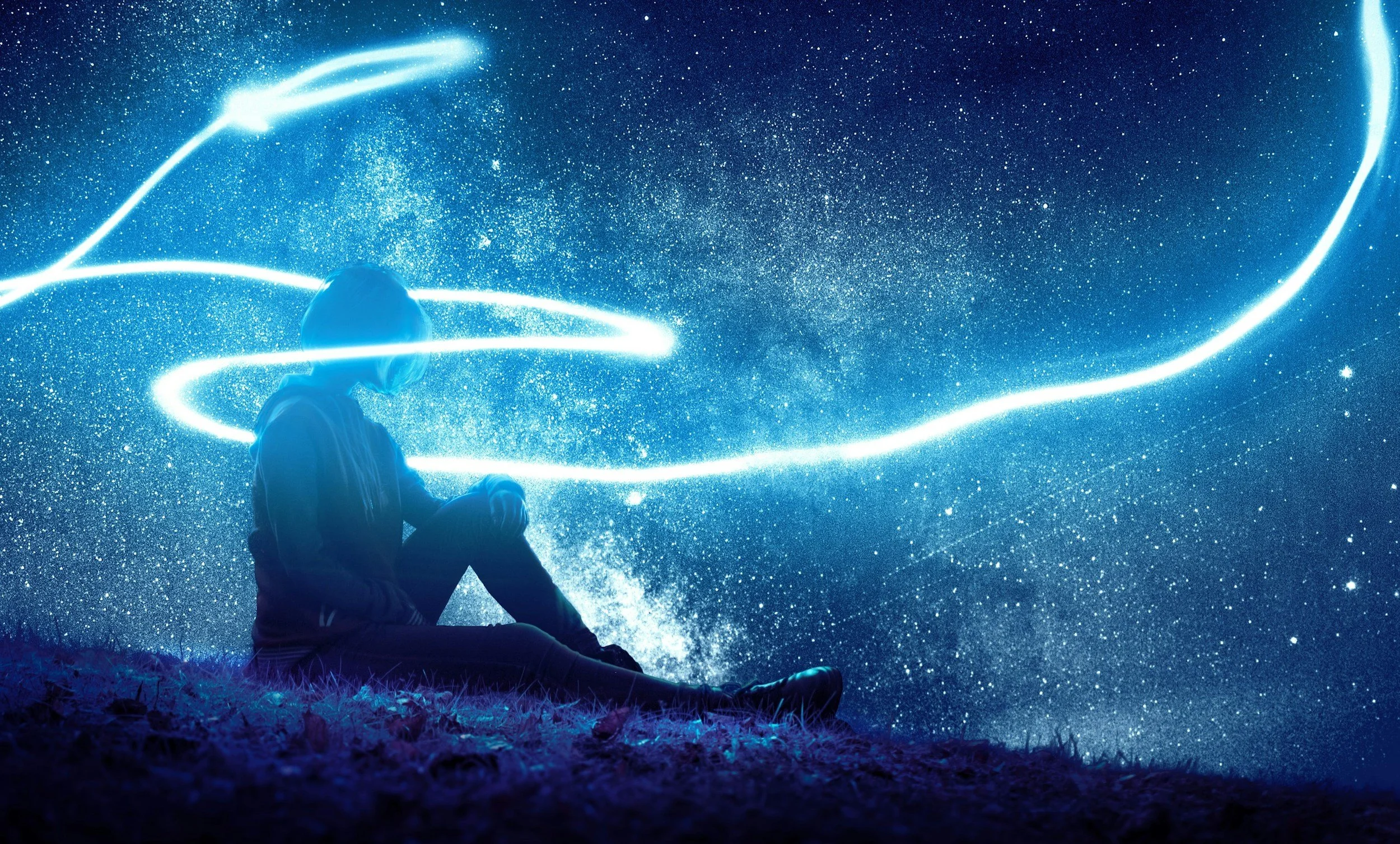
A Dream-Like State Unlike Anything Else
Many clients describe ketamine therapy as entering a dream-like state. Unlike a nighttime dream, however, you're often more aware and able to remember the experience afterward.
People frequently report:
A sense of deep relaxation
Feeling detached from everyday worries
Enhanced emotional awareness
Visual imagery or symbolic experiences
A feeling of floating or weightlessness
A different perception of time
While everyone's experience is unique, many people describe feeling connected to something larger than themselves while simultaneously feeling safe and supported.
Does Ketamine Therapy Cause You to Lose Control?
One of the biggest fears people have before starting ketamine therapy is the fear of losing control.
Fortunately, ketamine doesn't typically work the way alcohol or recreational substances do. During a therapeutic ketamine session, people generally remain aware that they are in a treatment setting.
You won't suddenly start revealing secrets, acting impulsively, or engaging in unwanted behaviors.
Instead, many clients describe feeling as though they are observing their thoughts and emotions from a different perspective—one that feels less reactive and more compassionate.
During a ketamine therapy session, clients are comfortably supported while lying down with an eye mask and carefully selected music. The environment is designed to help you turn inward and focus on your healing process.
Why Ketamine Therapy Feels Different From Recreational Drug Use
The therapeutic benefits of ketamine don't come from the medicine alone.
What makes ketamine therapy different from recreational ketamine use is the combination of:
A safe and controlled setting
Clinical screening and medical oversight
Clear therapeutic intentions
Professional guidance before and after the experience
Structured integration sessions
The medicine helps create an opportunity for new insights and emotional healing, while therapy helps transform those insights into lasting change.

Freedom From Self-Defeating Thoughts
One of the most profound aspects of ketamine therapy is the temporary quieting of the inner critic.
Many clients describe experiencing relief from:
Constant overthinking
Anxiety and worry
Self-judgment
Negative thought loops
Rumination about past experiences
For the first time in years, some people experience a sense of mental stillness.
They aren't replaying old conversations.
They aren't mentally working through tomorrow's to-do list.
They're simply present.
For many people, this experience alone can be incredibly healing.
Reconnecting With Lost Parts of Yourself
Another common experience during ketamine therapy is reconnecting with younger or wounded parts of yourself.
Clients often report memories, emotions, or insights emerging in ways that feel less overwhelming than traditional talk therapy.
Rather than reliving painful experiences, many people experience them from a new perspective—one that allows for greater compassion, understanding, and healing.
This is one reason ketamine-assisted psychotherapy can be particularly effective for trauma, anxiety, depression, and longstanding emotional patterns.
Why Integration Matters
The ketamine experience itself is only part of the healing process.
Following each dosing session, integration therapy helps you make sense of what emerged and apply those insights to everyday life.
During integration sessions, we explore:
Emotional insights
New perspectives
Relationship patterns
Trauma responses
Behavioral changes that support healing
The goal isn't simply to have a powerful experience during ketamine therapy. The goal is to create lasting change that continues long after the medicine session ends.
What Does Ketamine Therapy Look Like?
If you're curious about what a ketamine session actually looks like, a recent New York Times Op-Doc featuring a firefighter's ketamine-assisted therapy journey offers a realistic depiction of the process.
While the documentary uses IV ketamine and my clients typically work with prescribed ketamine lozenges through a medical partner, the emotional and therapeutic aspects of the experience are very similar.
Watching someone move through a session can help demystify the process and reduce some of the anxiety many people feel before trying ketamine therapy for the first time.
Is Ketamine Therapy Right for You?
Ketamine therapy isn't about escaping reality. It's about creating enough space from old patterns, trauma, anxiety, or depression that you can begin relating to yourself in a new way.
Over the past several years, I've witnessed remarkable transformations in clients who felt stuck despite years of traditional therapy. Insights that seemed impossible to access suddenly become available. Longstanding patterns begin to shift. Healing that once felt out of reach becomes possible.
If you're interested in learning more about ketamine therapy in California and whether Ketamine-Assisted Psychotherapy (KAP) may be a good fit for your goals, I invite you to schedule a free 15-minute consultation to discuss your options.
Alicia Taverner, LMFT, is a licensed marriage and family therapist who helps couples heal after infidelity, years of resentment, and the exhaustion of feeling stuck in the same painful patterns.
Her work helps partners begin to understand each other again, rebuild appreciation, and create lasting change with a focused, supportive approach. Alicia uses brain based techniques, including Brainspotting and ketamine assisted psychotherapy, in an intensive format that gives couples more room to heal without the start and stop of weekly sessions.
Learn more about Alicia’s work with affair recovery intensives, relationship therapy, and ketamine therapy, or visit her About page.