
Blog
Affair Recovery: Intensives vs. Traditional Therapy
Discover the key differences between affair recovery intensives and traditional couples therapy. Find out which approach best supports healing after infidelity.
If you're navigating affair recovery, I first want to send you my heartfelt support. Healing after infidelity is one of the most painful and disorienting experiences a couple can face. Whether you're the partner who was betrayed or the partner who had the affair, the emotional impact can feel overwhelming.
Successful affair recovery requires more than simply moving past what happened. It involves rebuilding trust, processing grief and anger, understanding the factors that contributed to the affair, and creating a new foundation for your relationship. All of those emotions need time and space to be processed. Stuffing them down or pretending the affair never happened often creates bigger problems later.
When couples begin the affair recovery process, one of the first questions they face is whether traditional weekly couples therapy or an affair recovery intensive will provide the support they need.

How Traditional Couples Therapy Supports Affair Recovery
Traditional couples therapy typically involves meeting with a therapist once a week for a 50-minute session. While this approach can be helpful for many relationship concerns, affair recovery therapy often requires more time than weekly sessions can provide.
The intake phase: The first phase of traditional couples therapy focuses on gathering information about your relationship, personal histories, and the impact of the affair. Therapists often schedule individual sessions with each partner to better understand attachment patterns, past experiences, and the events surrounding the betrayal.
While this assessment process is important, couples seeking affair recovery are often in crisis. By the time the intake process is complete, several weeks may have passed, leaving couples to navigate difficult conversations on their own.
Weekly Sessions
Once treatment begins, traditional therapy sessions usually include check-ins, discussion of recent challenges, and therapeutic interventions aimed at supporting affair recovery and rebuilding trust.
The challenge is that many of the conversations required for healing after infidelity simply don't fit into a 50-minute timeframe. Just as a couple begins discussing a painful topic, the session may end, leaving both partners emotionally activated until the next appointment.
The structure of weekly sessions: Once the intake phase is complete, weekly 50-minute sessions begin. Typically, those sessions break down like this:
5–10 minutes: check-in on the past week
10–15 minutes: introduce a focus or issue for the session
15 minutes: therapeutic intervention
5 minutes: regulation and wrap-up
While this format is useful, real life doesn’t always fit neatly into 50 minutes. Sometimes emotionally charged conversations take the entire session, leaving little room for deeper intervention. Other times, breakthroughs are cut short because time runs out. As a therapist, one of the hardest moments is seeing clients leave in tears—not because they didn’t make progress, but because the clock ran out before resolution.
How Affair Recovery Intensives Work
An affair recovery intensive is designed specifically for couples who need more time, structure, and support than weekly therapy can provide.
The Preparation Phase
Before the intensive begins, couples complete an assessment process that includes a joint session and individual meetings with each partner. This allows the therapist to understand the history of the relationship and create a focused plan for the affair recovery process.
Because this work is completed before the intensive, couples can begin addressing the real issues immediately rather than spending valuable treatment time gathering information.
The Intensive Experience
During an affair recovery intensive, couples participate in extended therapy sessions over multiple consecutive days. Rather than stopping just as a breakthrough is beginning, couples have the opportunity to stay engaged in the process long enough to create meaningful shifts.
This concentrated format allows for:
Processing the trauma of infidelity
Rebuilding trust after an affair
Understanding relationship patterns that contributed to disconnection
Learning healthier communication skills
Creating a roadmap for long-term affair recovery
Many couples describe an affair recovery intensive as the first time they've felt real relief since discovering the affair.
Traditional Therapy vs. Affair Recovery Intensives
Both approaches can support affair recovery, but they offer very different experiences.
Traditional couples therapy provides ongoing support and time to process between sessions. It can be an excellent option for couples who are already emotionally regulated and able to have productive conversations between appointments.
An affair recovery intensive, however, provides uninterrupted time to work through the most painful aspects of healing after infidelity. Rather than spending months revisiting the same conversations, couples can make significant progress in a matter of days.
Many couples choose to begin with an affair recovery intensive and then transition into weekly therapy for continued support and accountability.
Which Option Is Best for Affair Recovery?
The right approach depends on your needs, history, and emotional regulation skills:
Affair Recovery Intensives are often best if:
You’ve never been to therapy before.
Fights frequently end in blow-ups or silent treatment.
You need time to practice emotional regulation while still having important conversations with your partner.
Traditional Couples Therapy may be right for you if:
You’ve already been in therapy and have tools for self-regulation.
You and your partner can handle difficult conversations without escalating.
You’re able to consistently attend weekly sessions.
Both approaches have value, but when the wounds of infidelity run deep, many couples need more time and space to process, reconnect, and heal. Intensive couples therapy provides that focused environment where real breakthroughs can happen.

Moving Forward After Infidelity
There is no single "right" path through affair recovery. What matters most is finding an approach that gives you the support, structure, and guidance needed to heal.
For many couples, the intensity of infidelity requires more than a weekly 50-minute session. An affair recovery intensivecreates the space needed to process betrayal, rebuild trust, and reconnect in a way that often feels difficult to achieve in traditional therapy alone.
Ready to Begin Affair Recovery?
If you're looking for focused support to heal after infidelity, my Affair Recovery Intensives in California are designed to help couples move through the affair recovery process with clarity, structure, and hope.
👉 Read Affair Recovery Intensive in California: A Complete Guide to Healing After Infidelity to learn how intensive therapy can help you rebuild trust, repair your relationship, and create a stronger future together.
Alicia Taverner, LMFT, is a licensed marriage and family therapist who helps couples heal after infidelity, years of resentment, and the exhaustion of feeling stuck in the same painful patterns.
Her work helps partners begin to understand each other again, rebuild appreciation, and create lasting change with a focused, supportive approach. Alicia uses brain based techniques, including Brainspotting and ketamine assisted psychotherapy, in an intensive format that gives couples more room to heal without the start and stop of weekly sessions.
Learn more about Alicia’s work with affair recovery intensives, relationship therapy, and ketamine therapy, or visit her About page.
Couples Counseling Rancho Cucamonga: 3 Patterns Keeping Couples Stuck
Many couples unknowingly fall into three common patterns when their relationship feels disconnected. Learn how couples counseling can help you break the cycle and reconnect.
When a relationship feels unsatisfying, many couples unknowingly take on one of three "projects" in an attempt to feel better. These patterns are incredibly common, but they often leave couples feeling more disconnected than ever.
As a couples therapist, I see these dynamics show up regularly in couples counseling sessions. Whether you're struggling with communication, emotional distance, resentment, or recovering from a betrayal, these projects can quietly undermine the connection you're longing for.
If you're searching for couples counseling in Rancho Cucamonga because your relationship feels stuck, you may recognize yourself in one of these patterns.

Project 1: Trying to Change Your Partner
If you're longing to feel important, valued, chosen, or loved, you may find yourself focusing on getting your partner to behave differently.
This often looks like:
Criticizing them for not meeting your needs
Using sarcasm or contempt when you feel ignored
Withdrawing or giving the silent treatment
The hope is that if your partner changes, you'll finally feel better.
The problem is that even when your partner changes temporarily, the deeper longing often remains. This is one of the most common challenges couples bring into couples counseling and relationship counseling.
Project 2: Trying to Change Yourself
Another common response is turning all of your attention inward. You may convince yourself that if you could just be more patient, more understanding, more attractive, or less needy, the relationship would improve.
This often looks like:
Constantly anticipating your partner's needs
Ignoring your own feelings and desires
Over-functioning to keep the relationship together
Becoming who you think your partner wants you to be
Many people who come to marriage counseling or couples counseling have spent years trying to earn love by abandoning themselves in the process.
The result is often exhaustion, resentment, and a growing sense that you've lost touch with who you are.

Project 3: Giving Up and Numbing Out
When trying to change your partner doesn't work and trying to change yourself doesn't work, many people eventually move into disconnection.
Numbing out might look like:
Scrolling endlessly on your phone
Throwing yourself into work
Over-exercising or binge drinking
Using substances to avoid difficult emotions
Looking outside the relationship for attention or validation
While these behaviors may provide temporary relief, they create even more distance between you and your partner.
Many couples seeking couples counseling in Rancho Cucamonga describe feeling more like roommates than romantic partners after years of living in this pattern.
Why These Projects Don't Work
The truth is that most people cycle through all three of these projects throughout their relationship.
You try to change your partner.
Then you try to change yourself.
Then you give up.
The reason none of these strategies create lasting change is because they're often attempts to soothe a much deeper wound.
If you grew up feeling unseen, unimportant, rejected, or unloved, no amount of reassurance from your partner will permanently heal that pain. Until those deeper attachment wounds are acknowledged and addressed, the cycle tends to repeat itself.
How Couples Counseling in Rancho Cucamonga Can Help
Effective couples counseling isn't simply about learning better communication skills.
While communication matters, many relationship struggles are rooted in old attachment injuries, protective patterns, and nervous system responses that developed long before the relationship began.
In couples counseling, we explore the deeper experiences driving conflict and disconnection. Together, we identify the patterns keeping you stuck and help you create new ways of relating that foster emotional safety, trust, and intimacy.
This is where meaningful change begins.
When you stop trying to control your partner, stop abandoning yourself, and begin healing the underlying wounds beneath the conflict, you create space for genuine connection.
Whether you're seeking couples counseling in Rancho Cucamonga, online couples counseling in California, or relationship counseling to improve communication and intimacy, healing is possible.
Couples Intensives vs. Weekly Couples Counseling
While weekly couples counseling can be highly effective, some couples feel like they need more focused support.
Couples intensives provide extended, uninterrupted time to address longstanding patterns and accelerate progress. Instead of spending months slowly unpacking issues, couples can dive deeply into the work over the course of one, two, or three days.
If you'd like to learn more about the differences between weekly couples counseling and intensive therapy, read my guide:
Everything You Need to Know About Couples Intensives in California
Affair Recovery Intensives: A Deeper Path to Healing
For couples recovering from infidelity, traditional weekly couples counseling may not provide enough time or support to address the intensity of the crisis.
That's why many couples choose a focused 3-day affair recovery intensive.
These intensives provide the opportunity to:
Process the betrayal in a structured and supportive environment
Explore the deeper wounds beneath the affair
Rebuild emotional safety
Begin restoring trust and connection
If you're navigating infidelity and looking for specialized support beyond traditional couples counseling, an affair recovery intensive may be the right fit.
A Gentle Invitation
If you recognize yourself in one or more of these projects, know that you're not broken—and your relationship isn't necessarily doomed.
These patterns are common. More importantly, they can change.
Whether you're looking for couples counseling in Rancho Cucamonga, online couples counseling throughout California, or an intensive experience designed to help you move through a crisis more quickly, support is available.
You don't have to keep repeating the same cycles.
Healing begins when you understand what's underneath them.

Frequently Asked Questions about Couples Counseling & Intensives
Do we have to be local to Rancho Cucamonga to attend an intensive?
Not at all. Many couples travel from other parts of California—and even out of state—for affair recovery intensives here. My office is conveniently located near Ontario International Airport, and I provide recommendations for nearby hotels.
How do I know if we need weekly couples counseling or an intensive?
Weekly couples counseling in Rancho Cucamonga is often best for couples who are stuck in recurring patterns but feel some sense of stability in their relationship. An intensive is ideal for couples in crisis—such as recovering from an affair—or for those who want to accelerate their healing in a focused, immersive way. Intensives are also ideal for working professionals who might find it difficult to find reoccurring time each week to book consistent sessions but still want to make a huge impact on their relationship.
What can we expect from a 3-day affair recovery intensive?
These intensives provide a safe, structured environment to process the affair, understand the deeper attachment wounds, and begin repairing trust. You can learn more here: Affair Recovery: What to expect in a 3-day Intensive in California
Alicia Taverner, LMFT, is a licensed marriage and family therapist who helps couples heal after infidelity, years of resentment, and the exhaustion of feeling stuck in the same painful patterns.
Her work helps partners begin to understand each other again, rebuild appreciation, and create lasting change with a focused, supportive approach. Alicia uses brain based techniques, including Brainspotting and ketamine assisted psychotherapy, in an intensive format that gives couples more room to heal without the start and stop of weekly sessions.
Learn more about Alicia’s work with affair recovery intensives, relationship therapy, and ketamine therapy, or visit her About page.

Affair Recovery: What to expect in a 3-day Intensive in California
Discover what happens during a 3-day affair recovery intensive in California. Learn how 3 days can help rebuild trust, heal, and reconnect after infidelity.
If you're considering an affair recovery intensive in California, you may be wondering what happens during three full days of focused work. After discovering an affair, many couples feel overwhelmed, disconnected, and unsure whether healing is even possible. A structured affair recovery intensive creates dedicated time and space to process the betrayal, rebuild trust, and begin moving forward together.
This is a significant investment of time, energy, and emotion. Your relationship may feel like it's hanging in the balance. Understanding what to expect can help you decide whether an affair recovery intensive is the right next step in your healing journey.
My 3-day affair recovery intensives in California include four hours of focused therapy each day. While every intensive is tailored to the unique needs of the couple, the overall framework remains the same.

Day 1: Creating Safety and Stability After Infidelity
The first stage of affair recovery is helping both partners feel emotionally safe enough to engage in productive conversations.
Since the affair was discovered, you've likely found yourselves caught in painful cycles of arguing, withdrawing, blaming, or shutting down. These patterns are common after infidelity but can make healing feel impossible.
On the first day of your affair recovery intensive, we identify the conflict patterns that keep you stuck and begin creating a foundation for productive dialogue. We explore the thoughts, fears, and triggers that are driving your emotional reactions and establish clear goals for our work together.
I also introduce Brainspotting, a powerful brain-based approach that helps regulate the nervous system and reduce emotional overwhelm. This creates the emotional stability needed for deeper affair recovery work in the days ahead.
By the end of Day 1, many couples report feeling calmer, more hopeful, and better able to have conversations that previously felt impossible.
Day 2: Processing the Betrayal and Understanding What Happened
The second day of your affair recovery intensive focuses on understanding and processing the betrayal itself.
For the betrayed partner, there are often countless unanswered questions. Many people find themselves asking the same questions repeatedly because they are trying to make sense of what happened and regain a sense of safety. This is a normal part of the affair recovery process.
During Day 2, I help couples slow down and explore the deeper needs underneath those questions so conversations become meaningful rather than repetitive.
We also identify the attachment wounds that have been activated by the affair. Through guided interventions, both partners begin to understand not only their own pain but also the pain their partner is carrying.
One of the most important aspects of affair recovery is understanding the relationship dynamics that existed before the affair occurred. This is not about assigning blame. The responsibility for the affair belongs to the partner who made that choice. Instead, we explore the patterns, disconnections, and unmet needs that may have contributed to vulnerability within the relationship.
This deeper understanding creates the foundation for genuine healing and long-term change.
Day 3: Rebuilding Trust and Moving Forward
The final day of the affair recovery intensive focuses on rebuilding trust and creating a path forward.
Many couples are surprised by how much connection can emerge after spending several days engaging in honest, vulnerable conversations. When partners are able to witness and support each other's deepest hurts, new opportunities for closeness begin to develop.
During this stage of affair recovery, we focus on:
Rebuilding emotional safety
Strengthening connection
Creating healthy boundaries
Developing transparency agreements
Identifying practices that support ongoing healing
Establishing a clear plan for continued recovery
We also revisit the assessment completed on Day 1 so you can see the progress you've made throughout the intensive.
By the end of the experience, couples often leave with greater clarity, increased understanding, and a renewed sense of hope for their relationship.

Why Affair Recovery Intensives Are So Effective
Traditional weekly therapy can be helpful, but many couples find that healing after infidelity requires more focused attention than a 50-minute session can provide.
A dedicated affair recovery intensive allows you to stay engaged in the work without spending the week reactivating painful conversations and waiting for your next appointment.
Many couples report significant improvements in:
Anxiety and emotional overwhelm
Intrusive thoughts and rumination
Sleep quality
Communication
Emotional connection
Trust and safety
While affair recovery is a process that continues after the intensive, many couples experience meaningful breakthroughs that would have taken months to achieve in traditional therapy.
Preparing for Your Affair Recovery Intensive
Before your affair recovery intensive, we'll meet for an initial consultation where we discuss your relationship history, your goals for healing, and the challenges you're currently facing.
I also meet individually with each partner prior to the intensive. These preparation sessions help me understand your personal history, attachment patterns, past trauma, and individual concerns.
The preparation process ensures that when we begin your affair recovery intensive, we can move quickly into meaningful work instead of spending valuable time gathering background information. You can read more about how to choose the right therapist for your affair recovery intensive here: Affair Recovery Therapist: How to Find the Right Specialist in California.
Begin Your Affair Recovery Journey
Healing after infidelity is possible, but it rarely happens by accident. Recovery requires structure, support, and a safe place to have the conversations you've been avoiding or struggling to navigate on your own.
A 3-day affair recovery intensive provides an opportunity to step away from daily distractions and focus entirely on rebuilding trust, understanding the impact of the affair, and creating a healthier future together.
Ready to begin affair recovery?
Learn more about my Affair Recovery Intensives in California or schedule a consultation to determine whether a 3-day affair recovery intensive is the right fit for your relationship. Together, we can create a path toward healing, reconnection, and lasting change.
Alicia Taverner, LMFT, is a licensed marriage and family therapist who helps couples heal after infidelity, years of resentment, and the exhaustion of feeling stuck in the same painful patterns.
Her work helps partners begin to understand each other again, rebuild appreciation, and create lasting change with a focused, supportive approach. Alicia uses brain based techniques, including Brainspotting and ketamine assisted psychotherapy, in an intensive format that gives couples more room to heal without the start and stop of weekly sessions.
Learn more about Alicia’s work with affair recovery intensives, relationship therapy, and ketamine therapy, or visit her About page.

Affair Recovery Intensive in California: A Complete Guide to Healing After Infidelity
Affair recovery after infidelity can feel overwhelming, but healing is possible. Learn how an affair recovery intensive helps couples rebuild trust, process betrayal, and create a stronger relationship through focused couples therapy in California.
The pain that a couple goes through during affair recovery is excruciating. Recovering from infidelity impacts both partners and often leaves couples wondering whether healing is possible after betrayal. It is not just painful for the partner who has been betrayed, there’s also an incredible amount of pain on the side of the person who has strayed. The betrayal, broken trust, and emotional fallout often leave partners wondering if healing is even possible. While weekly counseling can help, many couples find that the depth of the wound requires more than one hour at a time.
There is a roller coaster of emotions that come along with the process of infidelity recovery. There is the initial shock, anger, sadness, and mourning of the old relationship that all happen simultaneously, and then all over again. It is a ride that most people do not want to be strapped into, and I’m so sorry that you’re here because this is likely what you’re going through. But you are also here because there is a part of you that believes you can heal and that your relationship can be salvaged. I believe that too.
Healing is absolutely possible, and with the right help, it can happen more quickly and with the focus and depth it truly requires. With all of the intense emotions you’re feeling at this time, it may be difficult to see all of your blind spots and to create a plan of recovery on your own.
After infidelity, you may be unsure about how to begin the healing process. You or your partner might make promises that things will be different and then try to sweep it under the rug in hopes that not talking about it will help you heal. Couples who do this tend to find themselves right back in the same place weeks or months later because the pain is just too big and loud. Affair recovery intensives offer a unique and focused path for true healing and moving forward.
What Is Affair Recovery?
Affair recovery is the process of healing after infidelity, rebuilding trust, understanding the factors that contributed to the affair, and creating a new foundation for the relationship. While many couples hope time alone will heal the wound, successful affair recovery typically requires intentional conversations, emotional processing, accountability, and support from an experienced therapist. An affair recovery intensive provides dedicated time and structure to move through this process more effectively.

What Is an Affair Recovery Intensive and How Does It Support Affair Recovery?
A couples therapy intensive is a focused amount of time used to work on specific issues including affair recovery. In my practice I do intensives ranging from 4-hours to 16-hours, broken up into 1, 3 or 4 days. The idea behind doing these intensives came to me at the beginning of my career when I noticed that I just kept running out of time in my weekly sessions. Affair recovery brings up so many emotions and important conversations, and I felt I was doing my clients a disservice by either cutting sessions short or avoiding discussions altogether because the clock was running out.
Now I see couples for four hours each day, for three or four consecutive days in a row. Spending this focused amount of time together will provide you with the structure and focused attention you need to have necessary but difficult conversations in a way that feels safe, productive, and healing.
Intensives vs. Traditional Couples Therapy
The typical 50-minute therapy session was thought up by insurance companies. This is what they have deemed an appropriate amount of time a person needs with a therapist no matter what their presenting issue is and it is typically the only type of session they will provide reimbursement for.
A typical 50-minute couples therapy session goes like this: you spend 10-15 minutes catching up or revisiting a topic from the previous week, then 15-20 minutes getting into a topic of focus, and the remaining 15-20 minutes is used for an intervention of some kind. These interventions are used to help process the pain or difficult topic and are an integral part of the therapeutic process. The remaining few minutes are used to get regulated and confirm the next session date and time, and then the couple is up and out of the office.
After discovering your partner’s affair, you may find yourself crying alone in the car or trying to keep your voices down while having late-night conversations after the kids are asleep. Hiding your pain from friends and family can feel necessary, but this secrecy—and the limited time to process together—only delays healing. The structure and increased amount of time offered in an affair recovery intensive is incredibly valuable in the recovery process.
An affair recovery intensive gives you the ability to talk honestly and openly. You can fully process your pain and there is ample time for important interventions that can’t come to fruition when time is constrained in a shorter weekly session or when trying to have hushed conversations on your own.
Many couples wonder whether they should continue with weekly therapy or consider a more focused approach, and there isn’t a one-size-fits-all answer. I break down the key differences in Affair Recovery: Intensives vs. Traditional Therapyto help you decide what level of support your relationship truly needs right now.
Why Affair Recovery Intensives Work After Infidelity
When you’ve discovered your partner has been unfaithful, or you’ve disclosed an infidelity to your partner, the immediate hours and days can be excruciatingly painful. If you are the partner who has been betrayed, I know you are reeling from this discovery. You’re asking the same questions over and over as your nervous system works through the shock. The life you thought you had is no longer, and this is an overwhelmingly emotional period.
If you are the one who strayed and your partner has discovered your infidelity, I know that this is also an incredibly painful experience for you. You never meant for this to happen and it kills you to see the pain you’ve caused for your partner. The shame you feel is overwhelming and can cause you to fumble with the right words to say. You desperately want to soothe your partner’s pain, but without clear instructions on how to do so you will unknowingly delay your healing.
No matter which partner you are—the betrayed or the partner who strayed—affair recovery takes courage, dedication and commitment. Recovery is a long process, but with the right help and guidance it does not have to last the remainder of your lives together.

The Phases of Recovery
In Dr. John Gottman’s research, there are three phases to the affair recovery process, beginning with the Atonement Phase. In this phase you and your partner have conversations about what happened and if you are the partner who strayed, you will take responsibility and express sincere remorse. This initial phase is also about developing transparency and making agreements about how to do so. This is often the phase with the most difficult and emotionally charged conversations. Without appropriate guidance this phase can take much longer than necessary and be the most painful part of the process.
Next is the Attunement Phase where you and your partner will begin to rebuild trust and safety. In this phase we work on reestablishing emotional intimacy and connection. This is often the longest phase of the process because you will be taking time to reflect on the relationship in its entirety.
The last phase is the Attachment Phase where trust is reestablished. In this phase you will gain a renewed sense of commitment as well as a deeper emotional connection because of all that’s been shared in the previous two phases.
Affair recovery is not a single conversation or moment of forgiveness—it unfolds in stages. In Affair Recovery: The 3 Phases of Healing After Infidelity, I explain how couples move through atonement, attunement, and attachment, and why intensives help prevent couples from getting stuck along the way.
What to Expect During an Affair Recovery Intensive
Preparing for the Intensive
A phone consultation is the first step in reaching out for an affair recovery intensive. It helps me get to briefly know about you, the challenges you’re facing in your relationship, and your goals. Following this call, an intensive preparation session is booked to obtain background information and build a supportive working relationship.
Day 1 – Developing Safety
When you come in on the first day of your affair recovery intensive it’s normal to be incredibly nervous. Today is about honoring and validating those feelings while creating safety within your nervous system. We use tools like Brainspotting to help you feel more calm and grounded before moving into the hard conversations.
Day 2 – Rebuilding Foundations
Once safety is established, we begin processing the betrayal. We talk through questions the betrayed partner may have, reestablish boundaries, and work on communication patterns. Couples learn to look inward for regulation, while partners witness and support one another’s healing, building intimacy and trust.
Day 3 – Reconnection and Next Steps
On day three, couples explore the deeper “why” of the affair, begin addressing resentments, and create agreements for a stronger relationship moving forward. This final day is about reconnection, solidifying new understandings, and practicing the tools you’ll carry beyond the therapy room.
If you’re wondering what actually happens over the course of those days together, I walk you through the full structure in more detail in Affair Recovery: What to expect in a 3-day Intensive in California, so you can feel grounded and prepared before beginning the process.

The Healing Power of Couples Therapy After Infidelity
Processing the emotions that come with discovering and working through an affair is overwhelming. An affair recovery intensive provides the time and safe space to work through them in a meaningful way. Forgiveness and reconciliation are explored at your pace, and attachment wounds are addressed so healing runs deep, not just surface-level.
I often tell couples that affair recovery is much like healing from a physical wound: painful at first, but with the right care, the wound closes, strength returns, and eventually you’re left only with a scar—a reminder, but no longer raw pain.
One of the most common questions couples ask is whether their relationship can truly survive betrayal, and the answer is far more nuanced than a simple yes or no. I go into this more deeply in Affair Recovery: Can a Relationship Survive Infidelity? where I talk honestly about both renewal and separation as valid healing outcomes.
Affair Recovery Intensives vs. Couples Retreats
While couples retreats may provide relaxation and reconnection, they are not designed for the deep repair that infidelity requires. Intensives are clinical, focused, and structured to address betrayal directly, helping couples move forward with clarity.
Can a Relationship Survive Infidelity?
One of the most common fears couples have is whether they can ever return to “normal.” In reality, most couples discover they don’t want the old normal back—they want something better.
I have walked with many couples who thought survival was impossible, only to emerge with renewed intimacy, connection, and trust. Others come to see that parting ways is the healthiest choice. Either way, intensives provide clarity, healing, and the tools for moving forward.
After an affair, many couples realize they are no longer trying to “fix” the same relationship they had before, but are instead deciding what kind of relationship they want to build moving forward. I explore this shift more deeply in Couples Counseling Rancho Cucamonga: 3 Patterns Keeping Couples Stuck, where I talk about the difference between repairing what was and creating something new.
Finding the Right Affair Recovery Therapist in California
Choosing the right therapist is deeply personal. Look for a specialist in infidelity recovery, a licensed professional (LMFT, LCSW, LPC), and someone trained in evidence-based, trauma-informed modalities. Most importantly, trust your intuition about whether you feel safe and supported with them.
Choosing the right therapist is one of the most important decisions you’ll make in this process, which is why I wrote Affair Recovery Therapist: How to Find the Right Specialist in California to help you know what to look for—and what questions to ask—before committing to this kind of deep work.
Start Your Affair Recovery Journey
If you're in the painful process of affair recovery, please know that healing is possible. Whether you're struggling to rebuild trust after an affair, process betrayal trauma, or determine whether your relationship can move forward, you don't have to navigate this alone.
My affair recovery intensives in California provide a focused, structured approach to healing after infidelity. Together, we'll create a roadmap for recovery, rebuild emotional safety, and help you move toward clarity and connection.
📞 Ready to take the first step? Schedule a free consultation call today to see if a 3-day affair recovery intensive is the right fit for you.
Alicia Taverner, LMFT, is a licensed marriage and family therapist who helps couples heal after infidelity, years of resentment, and the exhaustion of feeling stuck in the same painful patterns.
Her work helps partners begin to understand each other again, rebuild appreciation, and create lasting change with a focused, supportive approach. Alicia uses brain based techniques, including Brainspotting and ketamine assisted psychotherapy, in an intensive format that gives couples more room to heal without the start and stop of weekly sessions.
Learn more about Alicia’s work with affair recovery intensives, relationship therapy, and ketamine therapy, or visit her About page.
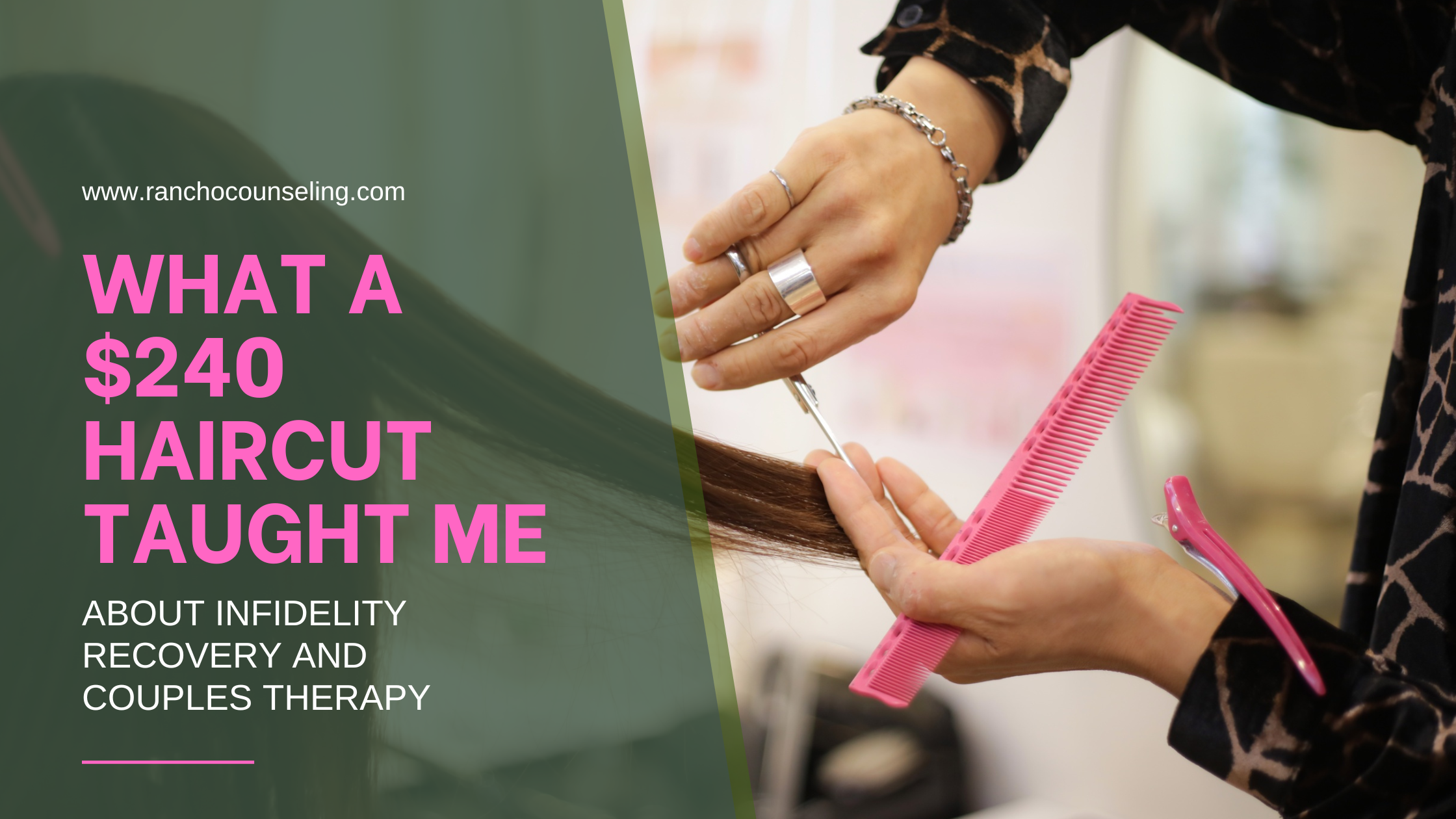
What a $240 Haircut Taught Me About Infidelity Recovery and Couples Therapy
When couples come to therapy after an affair, they’re not just looking to talk—they’re looking for direction. They’re often exhausted, overwhelmed, and hurting.
I once got a $200 haircut.
Actually, it was $240 with tip.
No color, no fancy deep conditioning—just a cut and a style.
I have naturally curly hair, and I had spent months researching stylists who specialized in curls. I was finally ready to invest in someone who understood my hair type and could give me a cut that would help my curls look their very best.
But that's not what I got.
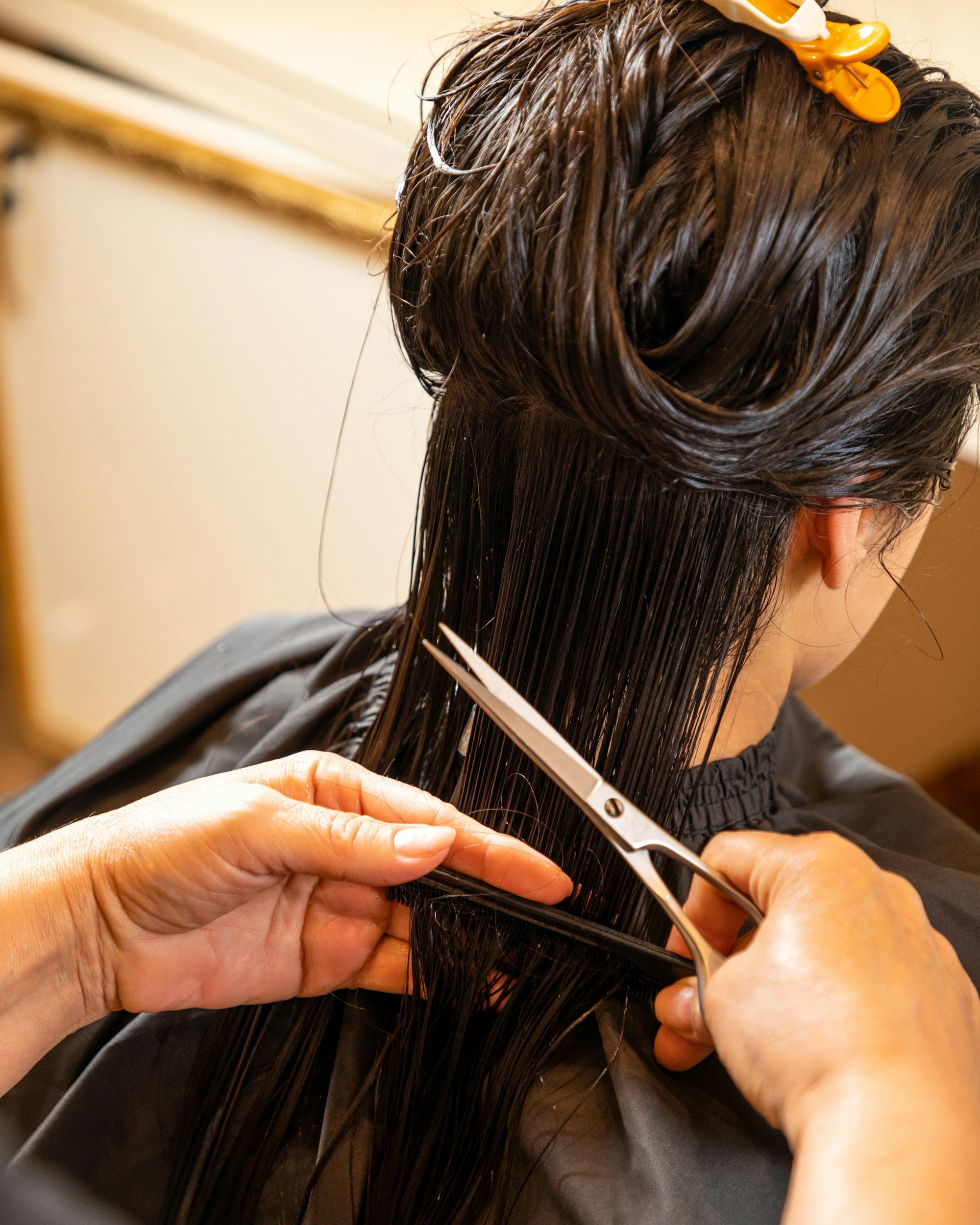
This stylist marketed herself as a "curly hair expert" and listed all of her certifications and trainings on her website. I believed her. I was excited—after all, I had spent over a year learning how to care for my curls and wanted someone who could take it to the next level.
But the experience was a letdown.
She was condescending, overly technical, and critical of the products I was already using—even though they were working well for me. It was clear she wanted me to purchase products from her salon. But what disappointed me most was what happened when I asked her a simple question:
"How can I get the most volume possible?"
Her answer?
"I can't tell you how to cut your hair."
I was stunned.
I had come to an expert. I was paying a premium price for professional guidance. I didn't want to guess—I wanted someone I could trust to show me the way.
And that moment reminded me so much of how couples often feel when they're searching for help with infidelity recovery.
When You're Looking for Real Help with Infidelity Recovery
When couples begin the infidelity recovery process, they're not just looking for a place to vent. They're looking for answers, direction, and hope.
They're often exhausted, overwhelmed, and struggling to make sense of what happened. They're asking questions like:
Can our relationship survive this?
How long does infidelity recovery take?
Is it possible to rebuild trust after an affair?
How do we stop having the same painful conversations over and over?
What does healing after infidelity actually look like?
When you're in the middle of the pain, vague encouragement isn't enough. Most couples want a clear path forward. They want an experienced professional who understands the stages of infidelity recovery and can help them navigate the process.
Why Structure Matters in Infidelity Recovery
One of the biggest misconceptions about infidelity recovery is that time alone heals the damage.
It doesn't.
Healing after infidelity requires intentional work. Trust must be rebuilt. Questions need to be answered. Communication patterns have to change. The emotional injuries that existed before and after the affair need to be addressed.
That's why I believe infidelity recovery works best when there is a clear framework guiding the process.
Couples need more than a place to talk about their pain. They need a roadmap that helps them understand where they are, what needs attention, and what steps will help them move forward.

Why I Don't Just Talk—I Create a Plan
In my work with couples recovering from infidelity, I don't simply sit back and ask how you feel. I assess what's happening beneath the surface.
I ask questions to understand:
The impact of the betrayal
The history of the relationship
The patterns that keep you stuck
The strengths that can support healing
Your goals for infidelity recovery
Then I develop a customized plan designed around your specific situation.
Every relationship is different. Some couples need help creating safety after disclosure. Others need support rebuilding trust. Some need to learn how to communicate without escalating into conflict. Many need help understanding why the affair happened without using that understanding to justify the betrayal.
My role is not to tell you what decisions to make. My role is to use my training and experience to guide the infidelity recovery process in a way that creates meaningful and lasting change.
Infidelity Recovery That Doesn't Leave You Guessing
There is no one-size-fits-all approach to infidelity recovery.
That's why my affair recovery intensives in California begin with understanding where you've been, where you are now, and where you want your relationship to go.
Together, we create a path forward.
You'll leave with greater clarity about your relationship.
You'll have a strategy for rebuilding trust after infidelity.
You'll understand the next steps in your infidelity recovery journey.
And you'll feel supported—not judged, rushed, or left to figure it out alone.
If you're looking for help with infidelity recovery and want a structured, compassionate approach to healing after an affair, I'd love to help.
Ready to Begin Your Infidelity Recovery Journey?
Healing after infidelity is possible, but you don't have to navigate it alone.
My California affair recovery intensives are designed to help couples move beyond crisis, rebuild trust, and create a stronger foundation for the future.
If you're ready to take the next step in your infidelity recovery, schedule a consultation to learn how an intensive can help you move forward with clarity, confidence, and hope.
Alicia Taverner, LMFT, is a licensed marriage and family therapist who helps couples heal after infidelity, years of resentment, and the exhaustion of feeling stuck in the same painful patterns.
Her work helps partners begin to understand each other again, rebuild appreciation, and create lasting change with a focused, supportive approach. Alicia uses brain based techniques, including Brainspotting and ketamine assisted psychotherapy, in an intensive format that gives couples more room to heal without the start and stop of weekly sessions.
Learn more about Alicia’s work with affair recovery intensives, relationship therapy, and ketamine therapy, or visit her About page.