I once got a $200 haircut.
Actually, it was $240 with tip.
No color, no fancy deep conditioning—just a cut and a style.
I have naturally curly hair, and I had spent months researching stylists who specialized in curls. I was finally ready to invest in someone who understood my hair type and could give me a cut that would help my curls look their very best.
But that's not what I got.
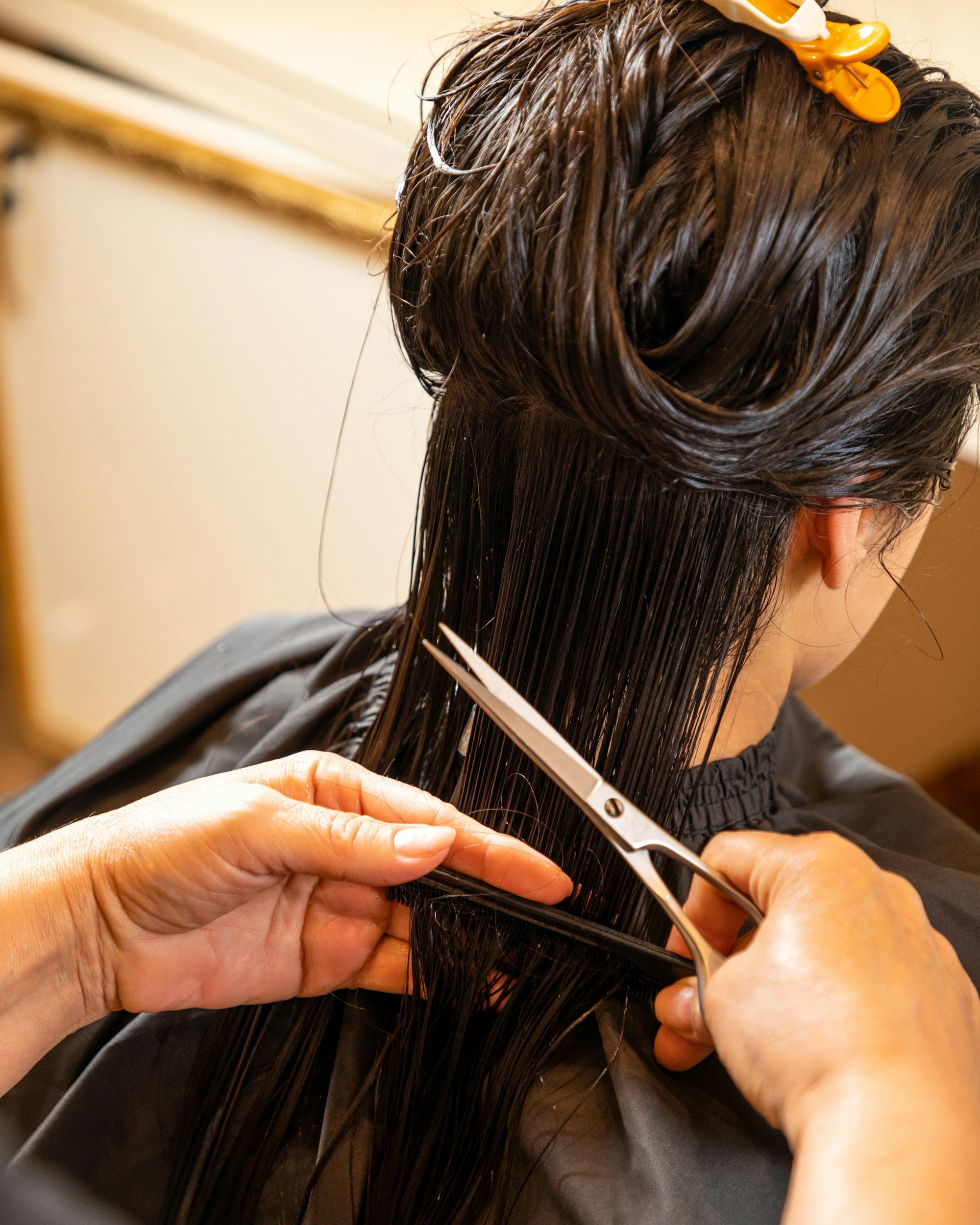
This stylist marketed herself as a "curly hair expert" and listed all of her certifications and trainings on her website. I believed her. I was excited—after all, I had spent over a year learning how to care for my curls and wanted someone who could take it to the next level.
But the experience was a letdown.
She was condescending, overly technical, and critical of the products I was already using—even though they were working well for me. It was clear she wanted me to purchase products from her salon. But what disappointed me most was what happened when I asked her a simple question:
"How can I get the most volume possible?"
Her answer?
"I can't tell you how to cut your hair."
I was stunned.
I had come to an expert. I was paying a premium price for professional guidance. I didn't want to guess—I wanted someone I could trust to show me the way.
And that moment reminded me so much of how couples often feel when they're searching for help with infidelity recovery.
When You're Looking for Real Help with Infidelity Recovery
When couples begin the infidelity recovery process, they're not just looking for a place to vent. They're looking for answers, direction, and hope.
They're often exhausted, overwhelmed, and struggling to make sense of what happened. They're asking questions like:
Can our relationship survive this?
How long does infidelity recovery take?
Is it possible to rebuild trust after an affair?
How do we stop having the same painful conversations over and over?
What does healing after infidelity actually look like?
When you're in the middle of the pain, vague encouragement isn't enough. Most couples want a clear path forward. They want an experienced professional who understands the stages of infidelity recovery and can help them navigate the process.
Why Structure Matters in Infidelity Recovery
One of the biggest misconceptions about infidelity recovery is that time alone heals the damage.
It doesn't.
Healing after infidelity requires intentional work. Trust must be rebuilt. Questions need to be answered. Communication patterns have to change. The emotional injuries that existed before and after the affair need to be addressed.
That's why I believe infidelity recovery works best when there is a clear framework guiding the process.
Couples need more than a place to talk about their pain. They need a roadmap that helps them understand where they are, what needs attention, and what steps will help them move forward.

Why I Don't Just Talk—I Create a Plan
In my work with couples recovering from infidelity, I don't simply sit back and ask how you feel. I assess what's happening beneath the surface.
I ask questions to understand:
The impact of the betrayal
The history of the relationship
The patterns that keep you stuck
The strengths that can support healing
Your goals for infidelity recovery
Then I develop a customized plan designed around your specific situation.
Every relationship is different. Some couples need help creating safety after disclosure. Others need support rebuilding trust. Some need to learn how to communicate without escalating into conflict. Many need help understanding why the affair happened without using that understanding to justify the betrayal.
My role is not to tell you what decisions to make. My role is to use my training and experience to guide the infidelity recovery process in a way that creates meaningful and lasting change.
Infidelity Recovery That Doesn't Leave You Guessing
There is no one-size-fits-all approach to infidelity recovery.
That's why my affair recovery intensives in California begin with understanding where you've been, where you are now, and where you want your relationship to go.
Together, we create a path forward.
You'll leave with greater clarity about your relationship.
You'll have a strategy for rebuilding trust after infidelity.
You'll understand the next steps in your infidelity recovery journey.
And you'll feel supported—not judged, rushed, or left to figure it out alone.
If you're looking for help with infidelity recovery and want a structured, compassionate approach to healing after an affair, I'd love to help.
Ready to Begin Your Infidelity Recovery Journey?
Healing after infidelity is possible, but you don't have to navigate it alone.
My California affair recovery intensives are designed to help couples move beyond crisis, rebuild trust, and create a stronger foundation for the future.
If you're ready to take the next step in your infidelity recovery, schedule a consultation to learn how an intensive can help you move forward with clarity, confidence, and hope.
Alicia Taverner, LMFT, is a licensed marriage and family therapist who helps couples heal after infidelity, years of resentment, and the exhaustion of feeling stuck in the same painful patterns.
Her work helps partners begin to understand each other again, rebuild appreciation, and create lasting change with a focused, supportive approach. Alicia uses brain based techniques, including Brainspotting and ketamine assisted psychotherapy, in an intensive format that gives couples more room to heal without the start and stop of weekly sessions.
Learn more about Alicia’s work with affair recovery intensives, relationship therapy, and ketamine therapy, or visit her About page.