How Ketamine Therapy Rewires the Brain for Lasting Healing
If you’ve ever felt like traditional therapy isn’t sticking, there’s a good reason — your brain may have been stuck in survival mode. When you’re carrying past trauma, enduring current stress, or dealing with ongoing ruptures in your relationship, your nervous system shifts into a constant state of dysregulation. You feel like you’re always on edge, and even the smallest disagreement, inconvenience, or tone shift can turn into a blow-up because you were already at capacity internally.
These patterns don’t just stay inside your head — they show up in your relationship. Your partner may feel like they’re walking on eggshells, while you’re doing everything you can to keep yourself regulated, including numbing or escaping with alcohol, overeating, shopping, or scrolling.
Many people seek ketamine therapy after years of feeling stuck in the same emotional patterns despite doing everything "right." Whether you're struggling with anxiety, trauma, depression, or recurring relationship conflict, ketamine therapy offers a unique opportunity to interrupt old neural pathways and create new possibilities for healing. By supporting neuroplasticity and nervous system regulation, ketamine therapy can help you move beyond survival mode and experience greater connection, resilience, and emotional freedom.
Neuroplasticity: The Brain’s Ability to Change
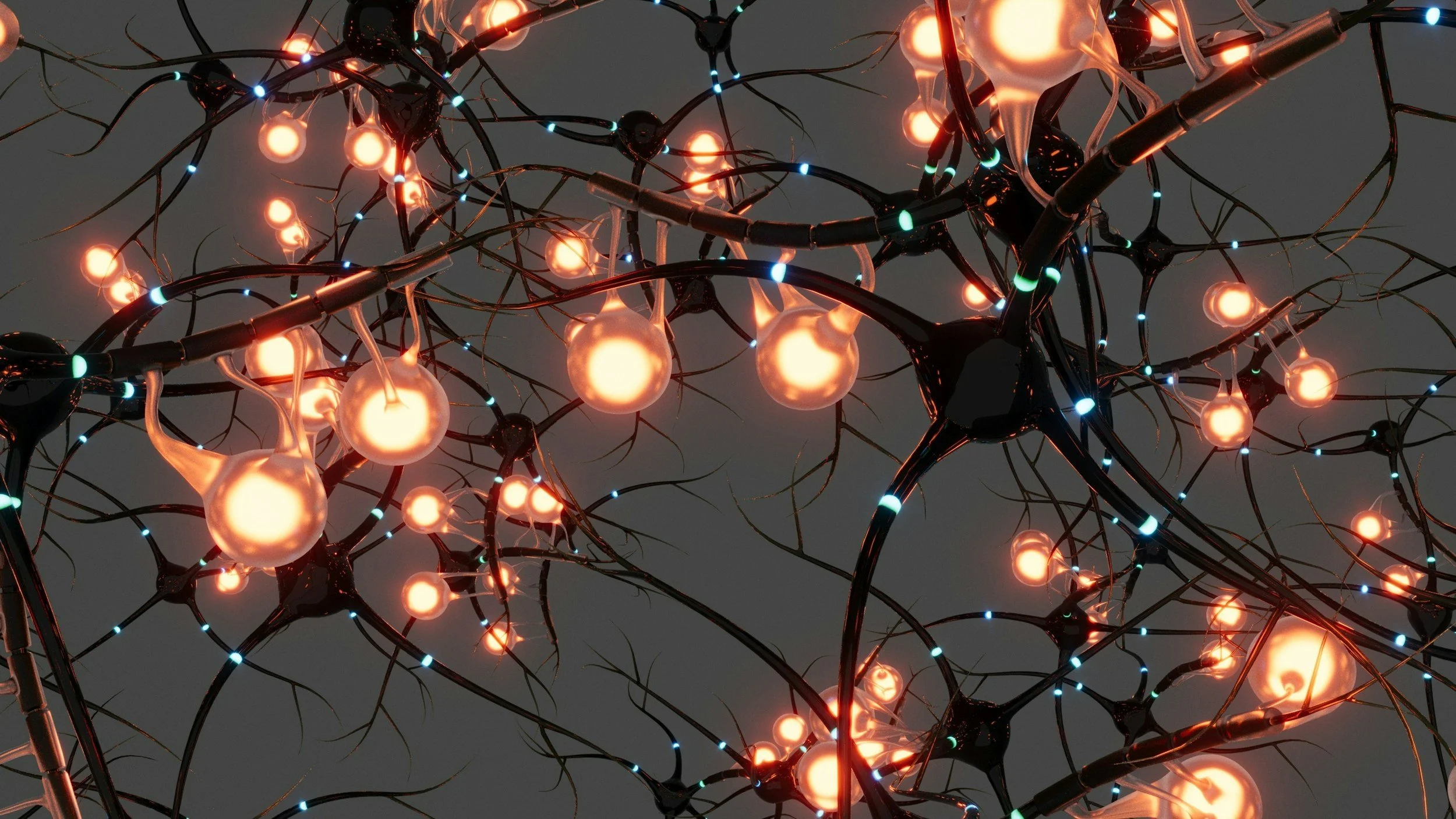
The good news is that your brain can change. I use tools like Brainspotting and Ketamine-Assisted Psychotherapy (KAP) to help clients create that change. Neuroplasticity refers to the brain’s ability to adapt and reorganize itself throughout life — including after trauma.
When you go through overwhelming experiences, your amygdala triggers a fight, flight, freeze, or fawn response. This part of the brain is wired to protect you, but it doesn’t understand time or space. So if you grew up in a home where yelling or punishment was normal, your brain adapted by developing protective behaviors such as dissociation, avoidance, hyper-independence, or hypervigilance.
These responses weren’t “bad” — they helped you survive. But in your adult relationships, they can create real challenges. When your partner expresses irritation, disappointment, or stress, your brain may react as if you’re still in the past. You might shut down, people-please, avoid conflict, or try to control your environment because that’s what your nervous system learned to do to stay safe. It doesn’t automatically know that your partner isn’t your caregiver, and that there is no threat of harm.
This is where ketamine therapy can be incredibly powerful. By increasing neuroplasticity, ketamine therapy helps the brain form new neural connections instead of automatically relying on old survival-based responses. Rather than reacting from fear, shame, or hypervigilance, you gain the ability to respond with greater flexibility, self-awareness, and emotional regulation.
How Ketamine Therapy Creates New Connections in the Brain
Ketamine increases neuroplasticity and helps create new neural pathways. That means when your partner sighs heavily, or gets frustrated about a long line at the store, you no longer feel the impulse to shut down, panic, or fix everything. You can respond from your higher self rather than from old survival patterns.
Many clients describe feeling like they can finally show up as who they truly are — not the version of themselves shaped by trauma, fear, or self-blame.
If you’re curious about how this experience differs from IV-only ketamine clinics, I’ve written about it here:
👉KAP vs. IV Ketamine Clinics: What’s the Difference?
Quieting the Default Mode Network
Research suggests that ketamine therapy can temporarily reduce activity in the brain's default mode network, which is often associated with rumination, self-criticism, and repetitive negative thinking. For many clients, this creates space to see themselves, their relationships, and their experiences from a new perspective—one that is less driven by fear and more connected to curiosity and self-compassion.
Clients often report:
feeling more present with their partner
communicating with less reactivity
sleeping better
improved focus on daily tasks
increased motivation and clarity
This is part of why KAP can be so transformative in couples work as well — calmer nervous systems create safer, deeper connection.
If you want a closer look at what a KAP session actually looks like, you can explore that here:
👉 What Really Happens in a Ketamine-Assisted Psychotherapy Session

Why Integration Matters for Lasting Change
Ketamine creates a window of neuroplasticity for 1–5 days. During this time, your brain is wide open to forming new beliefs, new patterns, and new emotional responses. Integration is the process of taking the insights from the dosing session and grounding them into daily life.
Without integration, even profound experiences from ketamine therapy can gradually fade into the background. With intentional integration, however, the insights gained through ketamine therapy become new habits, healthier beliefs, and lasting changes in the way you relate to yourself and others.
This is why Ketamine-Assisted Psychotherapy is so different from IV-only ketamine clinics — therapy is what helps turn the neuroplasticity window into meaningful, lasting transformation.
A Stronger, Clearer Path Forward
If you've been feeling stuck in patterns of anxiety, trauma responses, emotional overwhelm, or relationship conflict, ketamine therapy may offer a path forward. By creating new neural pathways and supporting the brain's natural capacity for change, ketamine therapy can help you access healing that feels deeper, more embodied, and more sustainable.
Whether you're interested in individual ketamine therapy, ketamine-assisted psychotherapy, or ketamine therapy for couples, support is available. Schedule a free consultation to learn how KAP can help you create lasting change and reconnect with the life and relationships you want.
Click here to schedule a free 30-minute consultation, and let’s see what’s possible for your healing.
Alicia Taverner, LMFT, is a licensed marriage and family therapist who helps couples heal after infidelity, years of resentment, and the exhaustion of feeling stuck in the same painful patterns.
Her work helps partners begin to understand each other again, rebuild appreciation, and create lasting change with a focused, supportive approach. Alicia uses brain based techniques, including Brainspotting and ketamine assisted psychotherapy, in an intensive format that gives couples more room to heal without the start and stop of weekly sessions.
Learn more about Alicia’s work with affair recovery intensives, relationship therapy, and ketamine therapy, or visit her About page.