

Blog
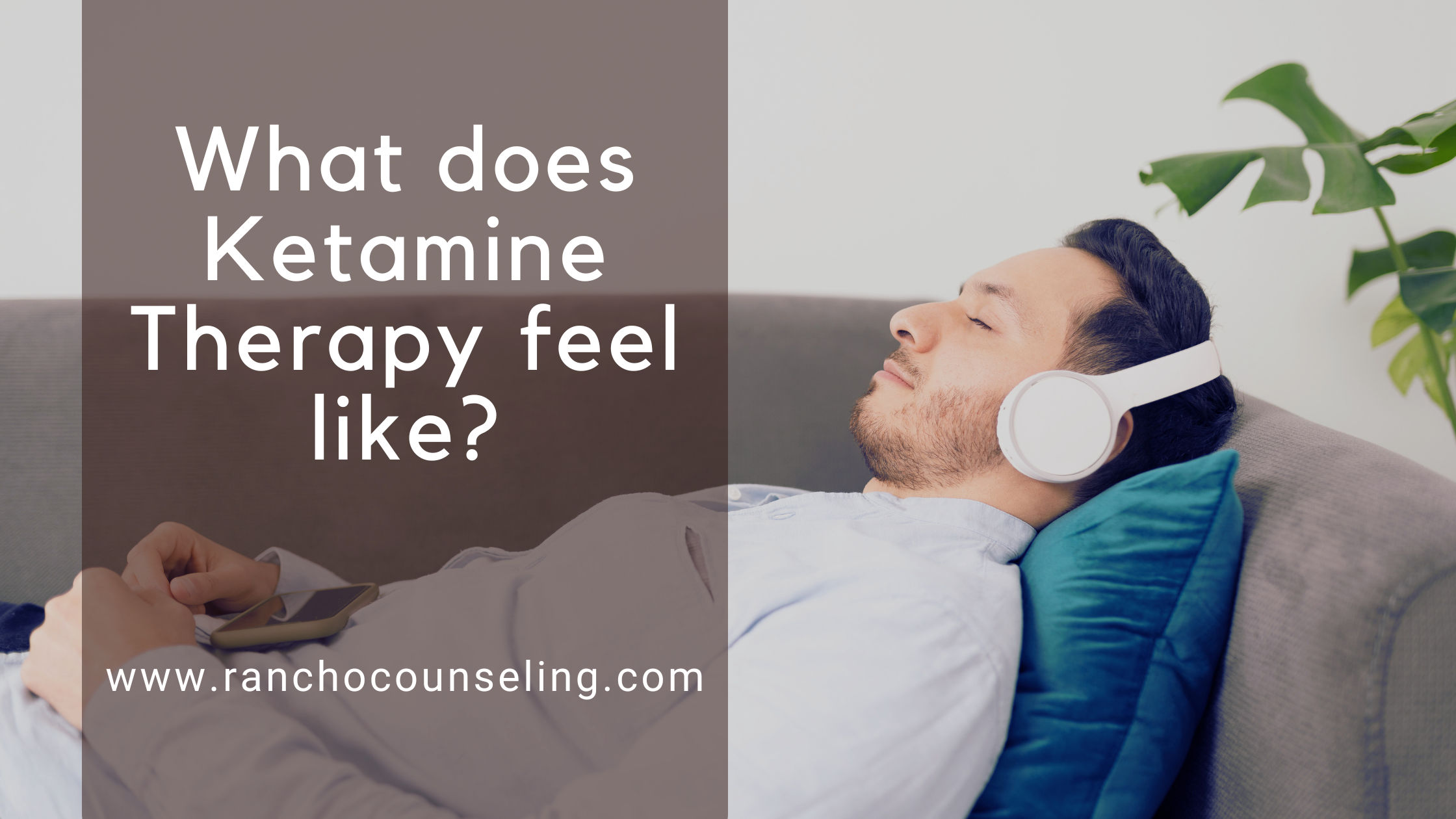
What does Ketamine Therapy feel Like?
Wondering what ketamine therapy feels like? Learn what to expect during a Ketamine-Assisted Psychotherapy session, from dream-like experiences and emotional breakthroughs to the powerful role of integration in creating lasting healing.
If you're considering ketamine therapy, one of the first questions you probably have is: What does ketamine actually feel like?
As a therapist providing Ketamine-Assisted Psychotherapy (KAP) in California, I hear this question all the time. It's understandable. If you've never experienced a psychedelic medicine before, it can be difficult to imagine what happens during a ketamine session.
The truth is that every ketamine journey is unique. Even the same person can have very different experiences from one session to the next. However, there are some common themes that many people report during ketamine therapy.

A Dream-Like State Unlike Anything Else
Many clients describe ketamine therapy as entering a dream-like state. Unlike a nighttime dream, however, you're often more aware and able to remember the experience afterward.
People frequently report:
A sense of deep relaxation
Feeling detached from everyday worries
Enhanced emotional awareness
Visual imagery or symbolic experiences
A feeling of floating or weightlessness
A different perception of time
While everyone's experience is unique, many people describe feeling connected to something larger than themselves while simultaneously feeling safe and supported.
Does Ketamine Therapy Cause You to Lose Control?
One of the biggest fears people have before starting ketamine therapy is the fear of losing control.
Fortunately, ketamine doesn't typically work the way alcohol or recreational substances do. During a therapeutic ketamine session, people generally remain aware that they are in a treatment setting.
You won't suddenly start revealing secrets, acting impulsively, or engaging in unwanted behaviors.
Instead, many clients describe feeling as though they are observing their thoughts and emotions from a different perspective—one that feels less reactive and more compassionate.
During a ketamine therapy session, clients are comfortably supported while lying down with an eye mask and carefully selected music. The environment is designed to help you turn inward and focus on your healing process.
Why Ketamine Therapy Feels Different From Recreational Drug Use
The therapeutic benefits of ketamine don't come from the medicine alone.
What makes ketamine therapy different from recreational ketamine use is the combination of:
A safe and controlled setting
Clinical screening and medical oversight
Clear therapeutic intentions
Professional guidance before and after the experience
Structured integration sessions
The medicine helps create an opportunity for new insights and emotional healing, while therapy helps transform those insights into lasting change.

Freedom From Self-Defeating Thoughts
One of the most profound aspects of ketamine therapy is the temporary quieting of the inner critic.
Many clients describe experiencing relief from:
Constant overthinking
Anxiety and worry
Self-judgment
Negative thought loops
Rumination about past experiences
For the first time in years, some people experience a sense of mental stillness.
They aren't replaying old conversations.
They aren't mentally working through tomorrow's to-do list.
They're simply present.
For many people, this experience alone can be incredibly healing.
Reconnecting With Lost Parts of Yourself
Another common experience during ketamine therapy is reconnecting with younger or wounded parts of yourself.
Clients often report memories, emotions, or insights emerging in ways that feel less overwhelming than traditional talk therapy.
Rather than reliving painful experiences, many people experience them from a new perspective—one that allows for greater compassion, understanding, and healing.
This is one reason ketamine-assisted psychotherapy can be particularly effective for trauma, anxiety, depression, and longstanding emotional patterns.
Why Integration Matters
The ketamine experience itself is only part of the healing process.
Following each dosing session, integration therapy helps you make sense of what emerged and apply those insights to everyday life.
During integration sessions, we explore:
Emotional insights
New perspectives
Relationship patterns
Trauma responses
Behavioral changes that support healing
The goal isn't simply to have a powerful experience during ketamine therapy. The goal is to create lasting change that continues long after the medicine session ends.
What Does Ketamine Therapy Look Like?
If you're curious about what a ketamine session actually looks like, a recent New York Times Op-Doc featuring a firefighter's ketamine-assisted therapy journey offers a realistic depiction of the process.
While the documentary uses IV ketamine and my clients typically work with prescribed ketamine lozenges through a medical partner, the emotional and therapeutic aspects of the experience are very similar.
Watching someone move through a session can help demystify the process and reduce some of the anxiety many people feel before trying ketamine therapy for the first time.
Is Ketamine Therapy Right for You?
Ketamine therapy isn't about escaping reality. It's about creating enough space from old patterns, trauma, anxiety, or depression that you can begin relating to yourself in a new way.
Over the past several years, I've witnessed remarkable transformations in clients who felt stuck despite years of traditional therapy. Insights that seemed impossible to access suddenly become available. Longstanding patterns begin to shift. Healing that once felt out of reach becomes possible.
If you're interested in learning more about ketamine therapy in California and whether Ketamine-Assisted Psychotherapy (KAP) may be a good fit for your goals, I invite you to schedule a free 15-minute consultation to discuss your options.
Alicia Taverner, LMFT, is a licensed marriage and family therapist who helps couples heal after infidelity, years of resentment, and the exhaustion of feeling stuck in the same painful patterns.
Her work helps partners begin to understand each other again, rebuild appreciation, and create lasting change with a focused, supportive approach. Alicia uses brain based techniques, including Brainspotting and ketamine assisted psychotherapy, in an intensive format that gives couples more room to heal without the start and stop of weekly sessions.
Learn more about Alicia’s work with affair recovery intensives, relationship therapy, and ketamine therapy, or visit her About page.

Ketamine Therapy VS Ketamine Assisted Psychotherapy
Ketamine research is showing amazing results but do you know that difference between Ketamine Therapy and Ketamine Assisted Psychotherapy? Read more to find out…

Ketamine clinics are popping up all over California. The research on ketamine therapy is exciting. Studies report immediate relief from treatment-resistant depression, anxiety, and PTSD.
Many people experience rapid improvements in their symptoms after receiving ketamine therapy. But these reports often overlook one of the most important factors in creating lasting change: integration.
While ketamine therapy can provide powerful insights and symptom relief, the real transformation happens when those insights are processed, understood, and applied to everyday life.

What Is Ketamine Therapy?
Ketamine therapy is the process of receiving ketamine as a treatment for mental health concerns such as depression, anxiety, PTSD, and trauma. Ketamine can be administered through an IV infusion, a lozenge, or a nasal spray.
Most ketamine therapy clinics provide a medical evaluation prior to treatment. Then, the patient arrives and the medication is administered.
Ketamine remains active in the system for approximately 45 minutes to 2 hours. During this time, many people feel deeply relaxed, sedated, and experience an internal psychedelic or dream-like experience.
Once the experience is over, a chaperone typically drives the patient home.
Without appropriate integration, however, the experience can remain just that—an experience. It can be difficult to process the learnings from the journey and allow them to permeate everyday life. Many people leave with powerful insights but struggle to understand what they mean or how to apply them.
Why Choose Ketamine-Assisted Psychotherapy (KAP)?
Ketamine-Assisted Psychotherapy (KAP) is a more fully supported form of ketamine therapy. The emphasis is not only on the medicine itself, but also on the preparation, intention-setting, and integration processes.
Much of the research on psychedelic-assisted therapy discusses the importance of "set and setting." These factors play a significant role in whether a person experiences a positive and meaningful outcome.
Set refers to the mindset a person is in prior to an experience.
Setting refers to the physical space, environment, and energy surrounding the experience.
I strongly believe that both matter.
Many people use psychedelics recreationally. While those experiences may be interesting or enjoyable, they are not necessarily therapeutic or healing. They are simply experiences.
Ketamine-Assisted Psychotherapy creates a structure that supports deeper healing and personal growth.
The Power of Integration in Ketamine Therapy
In my work with KAP clients, I first seek to know them, their histories, and their goals for treatment. This sets the stage for the work we will do together and helps establish trust and safety.
Most of my clients have never used recreational drugs or psychedelic medicines. We spend a great deal of time preparing for a ketamine therapy dosing session by answering questions and discussing the fears and anxieties that naturally arise.
We also spend time clarifying goals and intentions. What does the client hope to heal? What patterns do they want to better understand? What changes would they like to create in their life?
I carefully prepare the space for each dosing session. I incorporate aromatherapy, music, and other supportive elements to enhance each client's experience and create a sense of safety and comfort.
What Happens During a Ketamine-Assisted Psychotherapy Session?
Ketamine journeys are three-hour sessions.
We begin by discussing intentions and practicing meditation. I help ease the client into the experience and create a grounded, supportive environment.
Once the effects of the ketamine begin to wear off, there is plenty of time for clients to return to their bodies, reflect on what they experienced, and begin processing the journey before leaving the office.
This is one of the major differences between traditional ketamine therapy and Ketamine-Assisted Psychotherapy. The therapeutic support extends beyond the medication itself.

Ketamine Integration Therapy: Turning Insights Into Change
One to three days following a ketamine journey, clients return to my office for an integration session.
During this session, we often use aromatherapy to help clients reconnect with the learnings and emotions that surfaced during their journey. We discuss any insights, observations, or changes they have noticed since the session.
I also incorporate Brainspotting to help anchor the experience and deepen the integration process. Brainspotting can help clients reconnect with the emotions, memories, and internal wisdom that emerged during the ketamine session.
Integration is where the experience becomes meaningful. It helps clients move from having an insight to actually living differently.
Real Results from Ketamine-Assisted Psychotherapy
Last week, I shared some of the amazing results my clients are experiencing after just one Ketamine-Assisted Psychotherapy (KAP) session.
Clients frequently report:
Improved sleep
Increased ability to be present
Greater emotional regulation
Reduced anxiety
More self-compassion
Improved relationships
Increased motivation to make healthy lifestyle changes
A more positive view of themselves and their future
The list goes on and on.
While ketamine therapy can offer powerful symptom relief, Ketamine-Assisted Psychotherapy helps clients create lasting transformation by combining the medicine experience with preparation, therapeutic support, and integration.
Ready to Explore Ketamine Therapy?
If you're considering ketamine therapy and wondering whether Ketamine-Assisted Psychotherapy might be right for you, I'd love to help.
Schedule a free 15-minute phone consultation and we'll answer your questions, discuss your goals, and determine whether KAP is a good fit for your healing journey.
Alicia Taverner, LMFT, is a licensed marriage and family therapist who helps couples heal after infidelity, years of resentment, and the exhaustion of feeling stuck in the same painful patterns.
Her work helps partners begin to understand each other again, rebuild appreciation, and create lasting change with a focused, supportive approach. Alicia uses brain based techniques, including Brainspotting and ketamine assisted psychotherapy, in an intensive format that gives couples more room to heal without the start and stop of weekly sessions.
Learn more about Alicia’s work with affair recovery intensives, relationship therapy, and ketamine therapy, or visit her About page.