
Blog
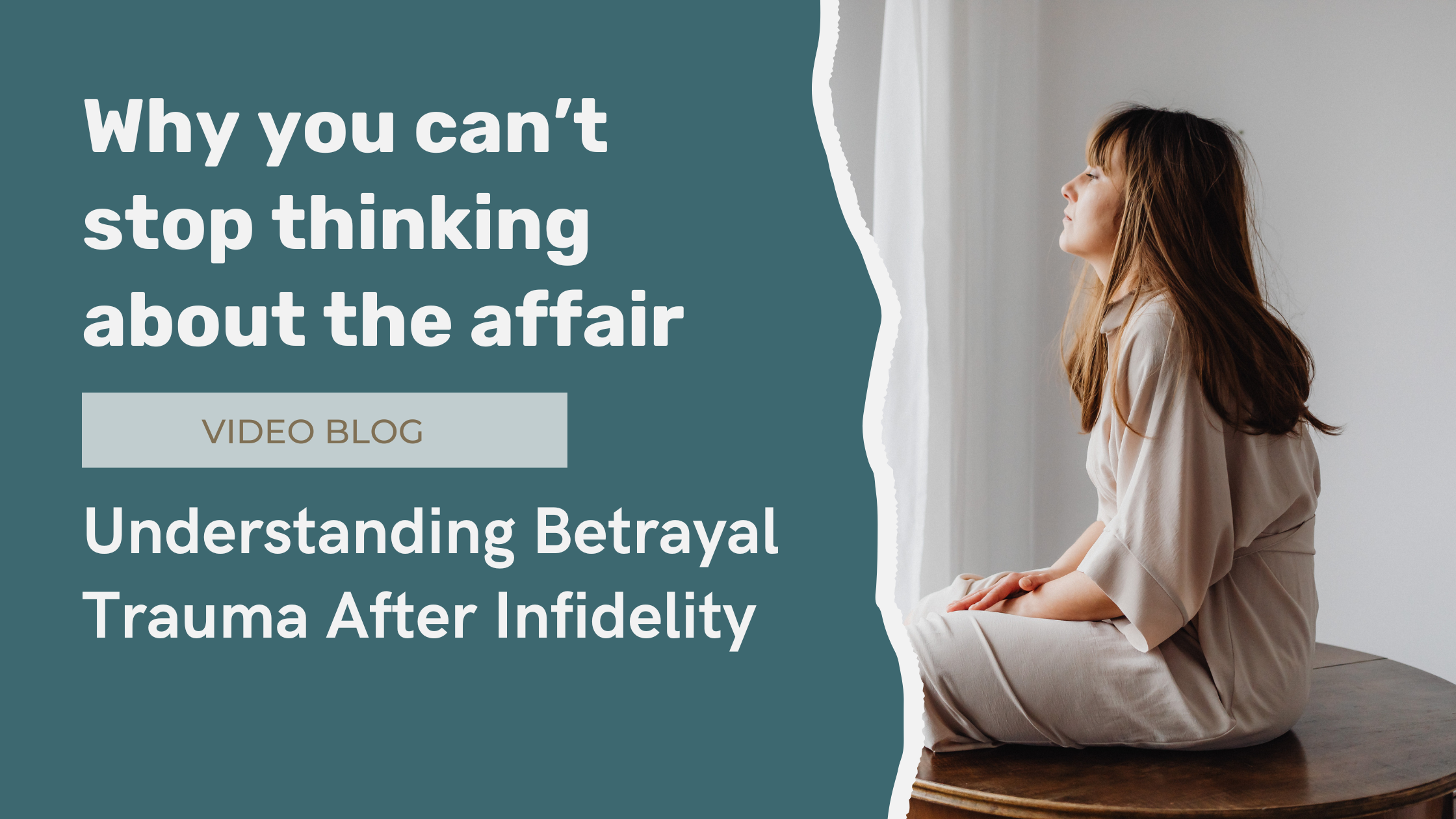
Why You Can’t Stop Thinking About the Affair: Understanding Betrayal Trauma After Infidelity
Discovering that your partner has had an affair can feel like your world has been turned upside down.
Most people expect the pain of betrayal to feel emotional — sadness, anger, heartbreak. But what surprises many people is how intense and relentless the mental experience can be.
Your mind might feel like it won’t turn off.
You may find yourself replaying conversations, imagining scenarios you wish you could erase, or feeling waves of panic and anger that seem to come out of nowhere.
Many betrayed partners ask the same question:
“Why can’t I stop thinking about the affair?”
If you’re experiencing this after discovering an affair, there’s something important to understand:
You’re not losing your mind.
Your brain is trying to process a shock.
In this video I explain what’s actually happening.
Discovering that your partner has had an affair can feel like your world has been turned upside down.
Most people expect the pain of betrayal to feel emotional — sadness, anger, heartbreak. But what surprises many people is how intense and relentless the mental experience can be.
Your mind might feel like it won’t turn off.
You may find yourself replaying conversations, imagining scenarios you wish you could erase, or feeling waves of panic and anger that seem to come out of nowhere.
Many betrayed partners ask the same question:
“Why can’t I stop thinking about the affair?”
If you’re experiencing this after discovering an affair, there’s something important to understand:
You’re not losing your mind.
Your brain is trying to process a shock.
Below I explain what’s actually happening.
Watch: Why Your Mind Feels Out of Control After Discovering an Affair
Why Discovering an Affair Feels So Overwhelming
Infidelity isn’t just a relationship crisis. For many people, it also creates a trauma response in the brain and nervous system.
When we are in a committed relationship, our brains rely on our partner as part of our sense of emotional safety and stability. When betrayal occurs, the brain can interpret it as a threat to attachment and security.
This is why discovering an affair can trigger reactions that feel similar to trauma.
Common reactions include:
Intrusive thoughts about the affair
Replaying conversations or searching for clues
Sudden waves of anger, sadness, or panic
Difficulty concentrating or sleeping
Feeling emotionally flooded or overwhelmed
These responses can feel frightening, especially if you’ve never experienced anything like this before.
But in many cases, these reactions are your brain’s way of trying to make sense of something that shattered your expectations of trust and safety.
Why Your Mind Keeps Replaying the Affair
One of the most distressing experiences after discovering infidelity is the feeling that your mind keeps replaying what happened.
You might find yourself:
Reconstructing timelines
Searching for answers
Imagining details you don’t fully know
Revisiting conversations from the past
This mental loop happens because your brain is trying to solve a problem that appeared suddenly and without warning.
When something traumatic happens, the brain often moves into a state of hyper-analysis. It is attempting to gather information so it can determine whether you are safe.
Unfortunately, this process can feel exhausting and relentless.
Why Your Nervous System Feels Flooded
After discovering an affair, many people notice that their emotional reactions feel much stronger than usual.
You might experience:
Sudden emotional waves
Panic or tightness in your chest
Feeling like your body is constantly on edge
Emotional reactions that feel bigger than expected
This happens because betrayal can activate the fight-or-flight response in the nervous system.
Your body may be trying to stay alert in order to protect you from further emotional harm.
Understanding that this is a nervous system response, rather than a personal weakness, can be an important step toward calming the experience.
You’re Not Overreacting
One of the most painful parts of betrayal is that people often begin to doubt their own reactions.
They wonder if they are being “too emotional” or if they should be able to move on faster.
But discovering an affair is a profound emotional injury. The shock, grief, confusion, and intrusive thoughts that follow are incredibly common.
What you’re experiencing is not a sign that you’re broken.
It’s a sign that something deeply important to you was disrupted.
Healing After Infidelity
Healing from infidelity takes time, support, and a safe place to process what happened.
For some couples, this means working together to repair trust and rebuild the relationship.
For others, the work involves understanding what happened and deciding what comes next.
If you’re navigating this experience, you may also find it helpful to explore:
Relationship Therapy: A Complete Guide to Healing Patterns, Communication, and Connection
The Ultimate Guide to Affair Recovery Intensives in California
These resources can help you understand what the recovery process may look like and what kinds of support are available.
Help After Discovering an Affair in California
If you’ve recently discovered an affair, you may feel overwhelmed, confused, or unsure what to do next.
Many people ask questions like:
Should we try to repair the relationship?
Is rebuilding trust after infidelity possible?
How do I stop the constant thoughts about what happened?
These are very common questions after betrayal.
As a relationship therapist based in Southern California, I work with individuals and couples who are navigating the aftermath of infidelity. Many people seek support when they feel stuck in the emotional shock of discovering an affair and want guidance on how to move forward.
Therapy can help you:
Process the emotional impact of betrayal
Calm the nervous system after the shock of infidelity
Understand what happened in the relationship
Decide whether to repair the relationship or move forward separately
Some couples benefit from relationship therapy intensives, which allow deeper work to happen in a shorter period of time when emotions are high and clarity is needed quickly.
If you are looking for help after discovering an affair in California, you can learn more about working with me by scheduling a free phone consultation here.
What To Do Immediately After Discovering an Affair
Discovering an affair can feel like emotional whiplash. Many people describe feeling shocked, disoriented, and unsure what to do next.
When everything feels chaotic, it can help to focus on a few grounding steps.
1. Give Yourself Time to Process the Shock
In the first days after discovering infidelity, your nervous system may feel overwhelmed. You might experience intense emotions, intrusive thoughts, or difficulty concentrating.
Try to resist the pressure to immediately make major relationship decisions. Your brain is still processing the shock of what happened.
2. Avoid Making Big Decisions in the First Wave of Emotion
Many people feel pressure to decide quickly whether they should stay or leave the relationship.
While those questions are important, the early phase after discovering an affair is often not the best time to make permanent decisions. Allow yourself space to understand what happened and how you feel before determining what comes next.
3. Focus on Stabilizing Your Nervous System
After betrayal, your body may stay in a heightened state of alert. Gentle practices like breathing exercises, walking, grounding techniques, or talking with a supportive person can help your nervous system settle.
When your nervous system becomes more regulated, it becomes easier to think clearly about the situation.
4. Seek Support
Trying to navigate the aftermath of infidelity alone can feel isolating. Many people find relief in speaking with a therapist who understands betrayal trauma and relationship dynamics.
Support can help you process the shock of what happened and begin to understand what your next steps might be.
5. Remember That Healing Is Possible
Right now it may feel like everything has been shattered. But many individuals and couples are able to move through the aftermath of infidelity with clarity, healing, and growth.
Recovery doesn’t happen overnight, but understanding what’s happening in your brain and nervous system can be the first step toward feeling grounded again.
If you're considering deeper support for navigating infidelity, you may also want to read:
The Ultimate Guide to Affair Recovery Intensives in California
Frequently Asked Questions About Betrayal Trauma After Infidelity
Is it normal to feel like you’re going crazy after discovering an affair?
Yes. Many people experience intrusive thoughts, emotional flooding, difficulty sleeping, and constant mental replaying after discovering an affair. These reactions are often part of a trauma response in the brain and nervous system.
Why can’t I stop thinking about the affair?
After discovering infidelity, the brain often tries to reconstruct what happened. This can lead to repetitive thoughts, replaying conversations, or imagining scenarios. Your brain is attempting to regain a sense of safety by understanding the situation.
What is betrayal trauma?
Betrayal trauma is the emotional and neurological response that can occur when someone you rely on for safety and connection violates your trust. Discovering an affair can activate the brain’s threat response, which is why many people experience symptoms similar to trauma after infidelity.
Why does my body react so strongly after discovering infidelity?
Betrayal can activate the nervous system’s fight-or-flight response, which may cause panic, tightness in your chest, emotional flooding, or sudden waves of anger or sadness.
How long does it take to recover from infidelity?
Recovery timelines vary. Healing often involves processing the emotional shock of betrayal, understanding what happened in the relationship, and deciding what comes next.
When should someone seek therapy after discovering an affair?
If intrusive thoughts, emotional overwhelm, or relationship distress continue to interfere with daily life, working with a therapist can help you process the experience and begin to calm your nervous system.
About the Author
Alicia Taverner, LMFT #50414 is a relationship therapist and the owner of Rancho Counseling in Southern California. She specializes in helping individuals and couples navigate infidelity recovery, betrayal trauma, and relationship healing using brain-based approaches such as Brainspotting, Ketamine Assisted Psychotherapy, Internal Family Systems, and intensive relationship therapy.
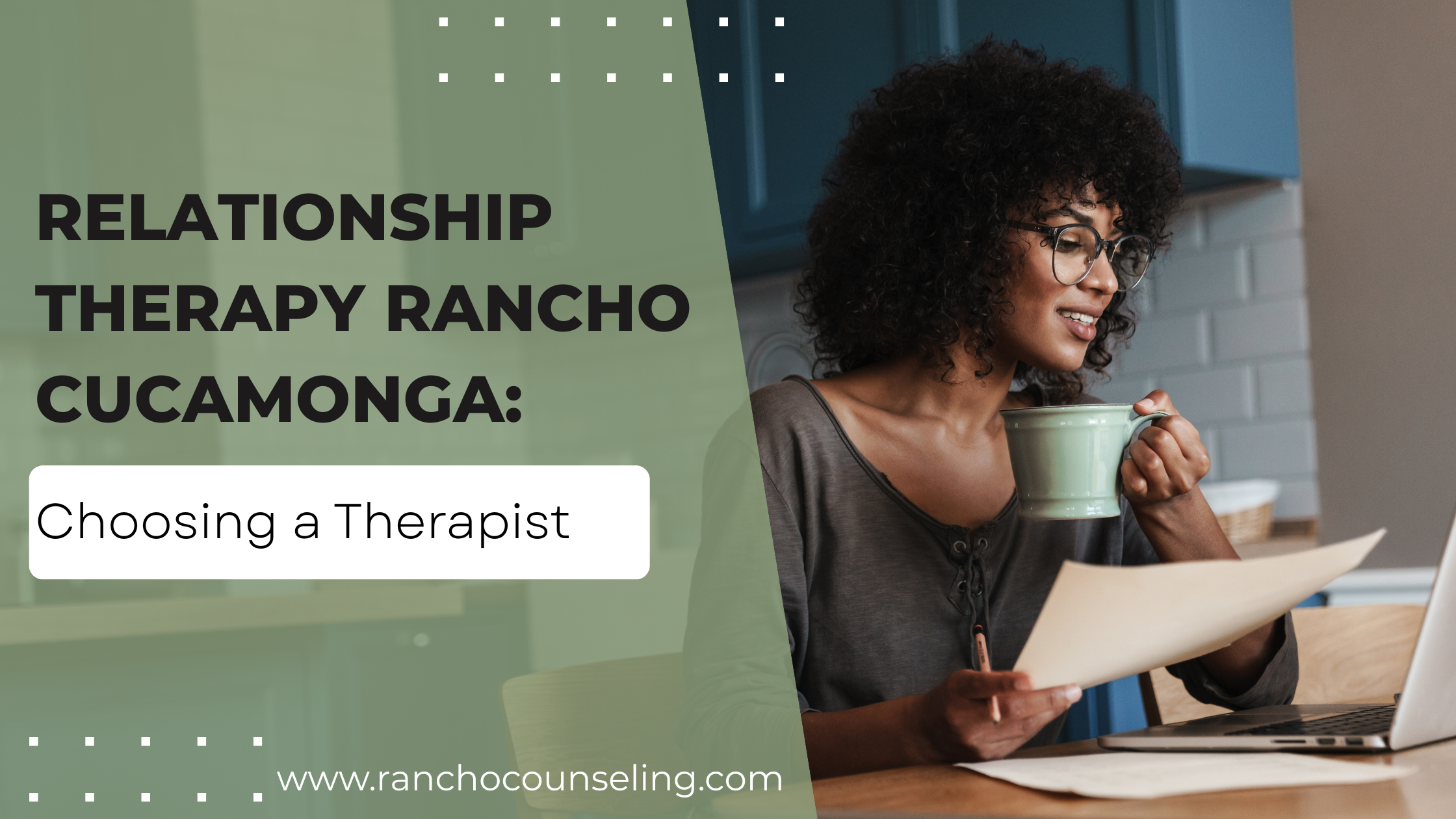
Relationship Therapy Rancho Cucamonga: Choosing a Therapist
Choosing a relationship therapist in Rancho Cucamonga? Learn what credentials, training, and experience truly matter so you can finally create real change.
Choosing the right therapist for your relationship is one of the most important decisions you will make in your healing process. If you’re reading this, you’re probably ready to invest your time, energy, and money into changing something that hasn’t been working for a long time. And that’s not a small step.
When couples (and individuals) reach out to me, they often say some version of, “We’ve tried talking. We’ve tried reading books. We’ve even tried therapy before.” So when you finally decide to begin again, you want to make sure you’re choosing someone who can actually guide you toward meaningful change.
Longer therapy should not just be about having more time to talk. More time only matters if the therapist is using that time to provide valuable, effective interventions. The truth is, not all therapists are trained to work deeply with relational trauma, attachment wounds, or the nervous system. And if your relationship struggles are rooted in these areas (which most are), finding the right fit becomes essential.
Whether you’re considering weekly sessions or an intensive model, working with a relationship therapist in Rancho Cucamonga who has the right training and experience can make the difference between staying stuck and finally moving forward.
If you're searching for relationship therapy in Rancho Cucamonga, you're likely looking for more than communication tips. Most couples and individuals seek therapy because they feel stuck in painful patterns they can't seem to change on their own. The right relationship therapist can help you understand what's happening beneath the surface, heal old wounds, and create a healthier, more connected relationship.
What Credentials to Look for in a Relationship Therapist in Rancho Cucamonga
The first thing to look for is proper licensing. In California, many relationship therapists hold the LMFT (Licensed Marriage and Family Therapist) credential. This means they have specialized graduate training in relational systems and understand that problems rarely exist in isolation.
But licensing alone isn’t enough.
The deeper work of relationship healing requires specialized training. Look for therapists who are trained in:
Attachment-based approaches
Trauma-informed care
Emotion-focused therapy
Intensive couples therapy
Nervous system and somatic regulation
A strong bottom-up approach is especially important. If you feel like you’ve been talking in circles in past therapy, it’s often because the work stayed at the cognitive level. Insight is helpful, but real change happens when your nervous system shifts.
Modalities like Brainspotting, EMDR, and somatic interventions help create new neural pathways in the brain. They also create shifts in the body, which is where emotional pain is stored. These approaches can change how you experience yourself, your partner, and your relationship — not just how you think about it.
If you want to explore this idea more deeply, you may also find this post helpful:
Questions to Ask Yourself Before Starting Relationship Therapy.
What Makes a Relationship Therapist in Rancho Cucamonga Effective
Beyond credentials, experience matters.
A skilled relationship therapist should have a deep understanding of relational dynamics. This includes:
How attachment wounds show up in conflict
Why the same arguments repeat
How emotional safety is rebuilt
What happens when one partner shuts down and the other pursues
They should also have specific experience working with:
Infidelity and affair recovery
Trauma and nervous system dysregulation
Communication breakdown and emotional disconnection
Couples who feel stuck, distant, or more like roommates
The best therapists also understand how individual therapy fits into relational healing. Sometimes only one partner is ready to do the work. That doesn’t mean change isn’t possible. In fact, individual relationship therapy can shift the entire dynamic.
If this is your situation, you may want to read:
Feeling Like You’re the Only One Trying: How Relationship Therapy Supports You Even When Your Partner Won’t Change
and
Relationship Therapy for One: What Happens When You Come in Without Your Partner.
Questions to Ask Before Starting Relationship Therapy in Rancho Cucamonga

Most therapists offer a consultation call. This is your opportunity to ask thoughtful questions and see how the therapist thinks.
Here are some important ones to consider:
How do you work with attachment trauma?
You want someone who understands how early relational experiences shape adult relationships.
What happens in a typical session?
Structure matters. A clear plan helps you feel safe and guided.
Do you offer relationship therapy intensives?
Many couples find that deeper work requires more time than traditional weekly sessions. Intensive therapy allows you to move through layers of pain, rather than just touching the surface.
If you’re curious about this model, you may find this helpful:
Preparing for a Relationship Therapy Intensive: What To Expect in Your First Intensive.
What is your approach when only one partner attends?
This gives insight into how flexible and relationally focused the therapist is.
How do you handle your own reactions during difficult sessions?
This question might surprise some therapists, but it’s incredibly important. A therapist who has a consultation network and ongoing support is more grounded, regulated, and able to model emotional stability. This matters more than most people realize.
Red Flags When Choosing a Couples or Relationship Therapist
There are also signs that a therapist may not be the right fit.
One red flag is an overly simplistic focus on communication skills. While tools are helpful, most couples already know what they should be doing. The issue is that their nervous systems go into survival mode during conflict.
Another red flag is a lack of trauma-informed training. If your therapist doesn’t understand trauma, they may unintentionally reinforce shame or push you toward solutions before emotional safety is built.
A third red flag is no clear structure for intensive work. If a therapist offers longer sessions but cannot explain the purpose, structure, or outcomes, you may end up paying for time rather than transformation.
For a broader overview of how relationship therapy works and what to expect, you can read:
Relationship Therapy: A Complete Guide to Healing Patterns, Communication, and Connection.
Why Choose Relationship Therapy in Rancho Cucamonga?
If you’ve been searching for a relationship therapist in Rancho Cucamonga, you’ve probably noticed there are many options. But not all couples therapists specialize in deep relational work. Many focus only on communication tools or surface-level strategies. While these approaches can be helpful, they often don’t address the underlying emotional and nervous system patterns that keep couples stuck.
Working with a local therapist offers more than convenience. It allows you to build trust, emotional safety, and consistency in your healing. When you meet in person, your nervous system can settle more easily, which creates the foundation for real change. This is especially important if your relationship has been impacted by trauma, infidelity, chronic conflict, or emotional disconnection.
As a relationship therapist serving Rancho Cucamonga, Upland, Claremont, Alta Loma, and the surrounding Inland Empire, I specialize in attachment-based and trauma-informed therapy. My approach focuses on helping couples and individuals move beyond surface-level conversations and into deeper emotional healing.
This includes:
Intensive couples therapy for faster breakthroughs
Affair recovery and trust rebuilding
Brainspotting and somatic trauma work
Relationship therapy for one partner
Longer 100-minute sessions designed for real progress
If you’re in the Rancho Cucamonga area and feeling stuck, overwhelmed, or unsure where to start, you’re not alone. Many couples wait until patterns feel unchangeable before seeking help. But the earlier you begin, the more options you have for healing.
Many people begin searching for relationship therapy in Rancho Cucamonga after months or even years of feeling disconnected from their partner. Some couples find themselves having the same arguments over and over again. Others feel more like roommates than romantic partners. Whether you're navigating communication challenges, emotional distance, intimacy concerns, parenting stress, or trust issues, relationship therapy can help you identify the patterns keeping you stuck and begin creating meaningful change.
My practice serves clients throughout Rancho Cucamonga, Alta Loma, Upland, Claremont, Ontario, Fontana, Eastvale, and the greater Inland Empire. I also offer online relationship therapy throughout California for couples and individuals who prefer the convenience of virtual sessions.
Relationship Therapy in Rancho Cucamonga: How to Take the Next Step
If you're looking for relationship therapy in Rancho Cucamonga, you don't have to keep trying to figure everything out on your own. Whether you're feeling disconnected from your partner, struggling to communicate, facing recurring conflict, or simply wanting a stronger relationship, therapy can help you create lasting change.
I offer relationship therapy in Rancho Cucamonga as well as online relationship therapy throughout California. Together, we'll identify the patterns that are keeping you stuck and develop a clear path toward greater connection, understanding, and emotional safety.
Schedule a consultation today to learn whether relationship therapy is the right next step for you.
Schedule a consultation and let’s talk about what’s possible.
Alicia Taverner, LMFT, is a licensed marriage and family therapist who helps couples heal after infidelity, years of resentment, and the exhaustion of feeling stuck in the same painful patterns.
Her work helps partners begin to understand each other again, rebuild appreciation, and create lasting change with a focused, supportive approach. Alicia uses brain based techniques, including Brainspotting and ketamine assisted psychotherapy, in an intensive format that gives couples more room to heal without the start and stop of weekly sessions.
Learn more about Alicia’s work with affair recovery intensives, relationship therapy, and ketamine therapy, or visit her About page.
Relationship Therapy: What to Expect From an Intensive
Learn what to expect in a relationship therapy intensive, how intensives differ from weekly therapy, and how deep healing happens faster.
If you're considering relationship therapy, you may be wondering what the process will actually look like. Many people come to relationship therapy after feeling stuck in the same arguments, disconnected from their partner, or frustrated by previous counseling experiences that felt slow or ineffective.
A relationship therapy intensive offers a different approach. Rather than spreading the work out over months of weekly sessions, relationship therapy intensives create dedicated time to understand the patterns keeping you stuck and begin creating meaningful change right away.
Whether you're struggling with communication, emotional distance, recurring conflict, or a loss of connection, relationship therapy can help you better understand yourself, your partner, and the dynamics shaping your relationship.
Why Relationship Therapy Intensives Create Faster Change
In a typical session, a large portion of the time is spent settling in, catching me up on the week, and orienting to whatever just happened. After that, there may be 20–30 minutes to work on understanding a pattern, learning a new skill, or doing a therapeutic intervention — just as the session is ending.
A relationship therapy intensive removes those interruptions.
There’s no stopping and starting. No waiting until next week to finish something important. The majority of the time is spent on interventions, not updates.
If your goal is to move through conflict more effectively with your partner — without shutting down, escalating, or feeling emotionally hijacked — we can spend focused time working on exactly that. We look at how these conflict patterns developed, how they’ve shown up across your life, and what’s happening in your nervous system when they get activated.
We also have the time to use brain-based approaches like Brainspotting to help your brain and body create new neural pathways. That means you don’t just understand your patterns — you begin to feel different in your body when conflict arises.

How Relationship Therapy Begins Before Your Intensive
The Consultation Call
Before anything is scheduled, we begin with a 30-minute consultation call. This is a real conversation — not a sales pitch.
We talk about what’s happening in your relationship or life right now, what you’re hoping to change, and what “success” would look like for you. I’ll ask questions like:
If you walked away saying, “I got exactly what I needed from this intensive,” what would be different in your life or relationship?
If the intensive format isn’t the right fit for you, I’ll tell you honestly. I’m not interested in wasting your time, energy, or money if this isn’t something you’re ready for.
Intake and Questionnaires
Once we decide to move forward, I send detailed intake forms and questionnaires. These help me understand your history, relationship dynamics, and what you’ve already tried. We also schedule a prep session where we discuss trauma history, upbringing, and important context so that when your intensive begins, we can move straight into the work.
Identifying Goals and Patterns
Together, we clarify the patterns you want to work on — whether that’s shutting down, escalating conflict, loss of trust, emotional distance, or feeling stuck in the same cycles.
Emotional Preparation
In the prep session, I’ll also walk you through what our time together may look like and answer any questions you have. Every intensive is customized — there’s no one-size-fits-all structure. The goal is for you to feel informed, supported, and emotionally prepared.

What Happens During Relationship Therapy
Deep Pattern Mapping
We begin by identifying where your patterns started. For example, if shutting down is a common response for you, we explore when and why that strategy became necessary. Using Brainspotting or Internal Family Systems, we work with the parts of you that learned these survival strategies and help them release the burdens they’ve been carrying.
Attachment-Based Frameworks
Your attachment style plays a powerful role in how you experience closeness, conflict, and emotional safety. We explore these dynamics so you can understand not just what is happening, but why it feels so intense or automatic. Your relationship patterns did not develop overnight, and they rarely change through willpower alone. Relationship therapy helps uncover the deeper attachment wounds, protective strategies, and nervous system responses that influence how you connect with others. When these patterns become more conscious, you can begin responding differently instead of repeating the same painful cycles.
Communication Rewiring
This isn’t about scripts or surface-level techniques. We focus on helping your nervous system stay regulated enough to actually communicate — even during difficult conversations. Many couples enter relationship therapy believing their problem is communication. While communication is often part of the issue, relationship therapy helps us look beneath the surface. Often, criticism, defensiveness, withdrawal, and conflict are symptoms of deeper emotional needs, attachment injuries, or nervous system responses that have never been fully understood or healed.
Emotional Processing
Brainspotting allows for deep emotional processing, often with surprisingly little talking. Many people find this work feels gentler and safer than expected, while still being incredibly powerful.
Tools and Integration
Throughout the intensive, we focus heavily on nervous system regulation. You’re supported in staying grounded and regulated, even while working through painful or vulnerable material. This is what allows real change to take root.
Continuing the Relationship Therapy Process After Your Intensive
Healing doesn’t end when the intensive does — it integrates.
Integration Sessions
Most clients continue with either two 100-minute sessions per month or a 4-hour intensive once per month. This structure works especially well for busy professionals and parents who want meaningful progress without weekly appointments.
Homework and Reflection
You’ll leave with reflections, practices, and insights designed to help you integrate what you’ve learned into daily life and your relationship.
Optional Ketamine-Assisted Therapy
In some cases, we may discuss ketamine-assisted therapy. This is never required for healing, but for some people it can be a powerful tool to reduce anxiety or depression and create a window of neuroplasticity — making it easier to form new patterns, insights, and habits that support continued growth.
Is Relationship Therapy Right for You?
If you find yourself having the same arguments over and over, feeling emotionally disconnected, struggling to communicate, or wondering how your relationship became so difficult, relationship therapy can help.
Whether you're seeking support as a couple or exploring relationship therapy on your own, an intensive provides the space to move beyond insight and create real, lasting change.
If you're interested in learning whether a relationship therapy intensive is the right fit, I invite you to schedule a consultation. Together, we'll explore what's happening, what you want to change, and whether this approach can help you create the relationship you're longing for.
If you’re feeling ready for more focused support, we can start with a simple consultation to explore whether an intensive feels like the right next step for you.
Alicia Taverner, LMFT, is a licensed marriage and family therapist who helps couples heal after infidelity, years of resentment, and the exhaustion of feeling stuck in the same painful patterns.
Her work helps partners begin to understand each other again, rebuild appreciation, and create lasting change with a focused, supportive approach. Alicia uses brain based techniques, including Brainspotting and ketamine assisted psychotherapy, in an intensive format that gives couples more room to heal without the start and stop of weekly sessions.
Learn more about Alicia’s work with affair recovery intensives, relationship therapy, and ketamine therapy, or visit her About page.