
Blog

Couples Counseling Intensive in Rancho Cucamonga | Fast-Track Relationship Healing
Feeling stuck in the same relationship patterns but don't have time for weekly therapy? A couples counseling intensive offers a focused, accelerated approach to improving communication, rebuilding trust, and creating lasting change—without months of traditional sessions. Discover how a couples counseling intensive in Rancho Cucamonga can help you reconnect faster.

You know your relationship needs help.
You know you're tired of the arguments, the silence, the tension, and the feeling that you're constantly walking on eggshells around each other.
You've thought about reaching out for help more times than you can count. You've read blog posts, listened to podcasts, searched for answers online, and maybe you've even spent time exploring my website. But every time you consider scheduling therapy, something stops you.
Maybe it's your schedule.
Maybe it's the thought of committing to weekly sessions for months.
Maybe you're worried that healing your relationship will take longer than you can realistically manage.
If that sounds familiar, you're not alone.
Many of the couples who contact me are highly motivated to improve their relationship. They aren't avoiding the work—they simply don't have the time or flexibility for traditional weekly therapy. Between demanding careers, children, travel schedules, and everyday responsibilities, finding the same hour every week can feel nearly impossible.
The good news? There is another option.
When Weekly Therapy Doesn't Fit Your Life
Traditional couples counseling can be incredibly effective, but it isn't always the best fit for every couple.
A typical 50-minute session often looks something like this:
10 minutes catching up and discussing what's happened since the last session
30 minutes focused on the actual therapeutic work
10 minutes wrapping up, summarizing, and preparing for the week ahead
While meaningful progress absolutely happens in weekly therapy, it can sometimes feel frustratingly slow—especially when you're dealing with significant relationship challenges such as:
Frequent conflict and communication breakdowns
Emotional disconnection
Trust issues
Resentment from unresolved hurts
Attachment wounds
Infidelity recovery
Feeling more like roommates than romantic partners
Often, just as you're beginning to access the deeper layers of the issue, the session ends. Then you spend another week waiting to pick up where you left off.
For couples in crisis or couples who are highly motivated to create change, that stop-and-start process can feel exhausting.
What Is a Couples Counseling Intensive?
A couples counseling intensive is an accelerated approach to relationship therapy that allows you to accomplish months of work in a much shorter period of time.
Instead of squeezing your relationship into a 50-minute appointment each week, you dedicate several uninterrupted hours to focused healing and growth.
During a couples counseling intensive, we have the time and space to:
Identify the root causes of recurring conflict
Improve communication and emotional safety
Explore attachment wounds and relationship patterns
Address trust violations and betrayals
Develop practical tools for managing difficult conversations
Create a roadmap for moving forward together
Rather than stopping just as the conversation becomes meaningful, we can stay with the process long enough to create real breakthroughs.

Why Couples Love Intensives
One of the things I hear most often from couples after an intensive is:
"We accomplished more in one day than we have in months of trying to figure this out on our own."
That's because there is something incredibly powerful about uninterrupted time.
No rushing.
No watching the clock.
No wondering whether you have enough time to bring up the issue that's been bothering you all week.
Just focused, intentional work on the relationship that matters most.
These sessions are often deeply productive because we can move beyond surface-level conversations and get to the heart of what's keeping you stuck.
Faster Progress Without Putting Your Life on Hold
Healing attachment wounds, rebuilding trust, and changing long-standing communication patterns requires effort and commitment.
But it doesn't necessarily require months of weekly appointments.
A couples counseling intensive allows you to make meaningful progress while still honoring the realities of your busy life.
Whether you choose two 4-hour sessions or a full-day 8-hour intensive, you'll have the opportunity to dive deeply into your relationship and begin creating lasting change.
Many couples find that intensives fit their schedules far better than weekly therapy, especially during busy seasons filled with work obligations, vacations, children's activities, and family commitments.
Your Relationship Deserves More Than "When Things Slow Down"
Summer gets busy.
The holidays get busy.
Work gets busy.
Life always seems busy.
If you've been waiting for the perfect time to work on your relationship, you may be waiting forever.
The truth is that your relationship deserves attention now—not someday.
If you're ready to stop repeating the same arguments, start feeling heard, and create meaningful change in your relationship, a couples counseling intensive in Rancho Cucamonga may be exactly what you're looking for.
You don't have to put your healing on hold simply because weekly therapy doesn't fit your schedule.
Ready to Learn More?
Schedule your free phone consultation today to find out whether a couples counseling intensive is the right fit for you and your relationship. Together, we'll create a plan that helps you move forward with greater clarity, connection, and hope.
Alicia Taverner, LMFT, is a licensed marriage and family therapist who helps couples heal after infidelity, years of resentment, and the exhaustion of feeling stuck in the same painful patterns.
Her work helps partners begin to understand each other again, rebuild appreciation, and create lasting change with a focused, supportive approach. Alicia uses brain based techniques, including Brainspotting and ketamine assisted psychotherapy, in an intensive format that gives couples more room to heal without the start and stop of weekly sessions.
Learn more about Alicia’s work with affair recovery intensives, relationship therapy, and ketamine therapy, or visit her About page.
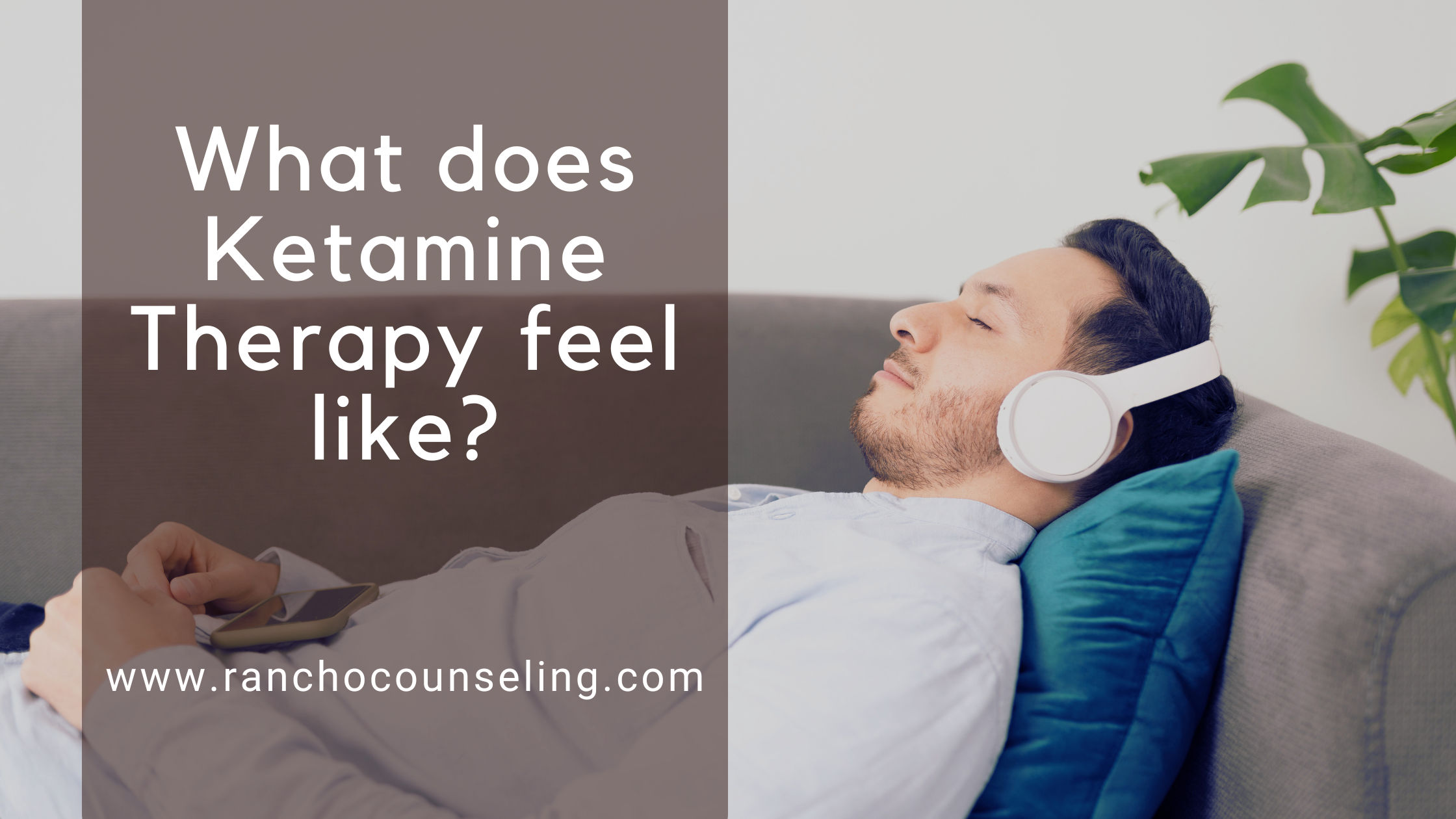
What does Ketamine Therapy feel Like?
Wondering what ketamine therapy feels like? Learn what to expect during a Ketamine-Assisted Psychotherapy session, from dream-like experiences and emotional breakthroughs to the powerful role of integration in creating lasting healing.
If you're considering ketamine therapy, one of the first questions you probably have is: What does ketamine actually feel like?
As a therapist providing Ketamine-Assisted Psychotherapy (KAP) in California, I hear this question all the time. It's understandable. If you've never experienced a psychedelic medicine before, it can be difficult to imagine what happens during a ketamine session.
The truth is that every ketamine journey is unique. Even the same person can have very different experiences from one session to the next. However, there are some common themes that many people report during ketamine therapy.

A Dream-Like State Unlike Anything Else
Many clients describe ketamine therapy as entering a dream-like state. Unlike a nighttime dream, however, you're often more aware and able to remember the experience afterward.
People frequently report:
A sense of deep relaxation
Feeling detached from everyday worries
Enhanced emotional awareness
Visual imagery or symbolic experiences
A feeling of floating or weightlessness
A different perception of time
While everyone's experience is unique, many people describe feeling connected to something larger than themselves while simultaneously feeling safe and supported.
Does Ketamine Therapy Cause You to Lose Control?
One of the biggest fears people have before starting ketamine therapy is the fear of losing control.
Fortunately, ketamine doesn't typically work the way alcohol or recreational substances do. During a therapeutic ketamine session, people generally remain aware that they are in a treatment setting.
You won't suddenly start revealing secrets, acting impulsively, or engaging in unwanted behaviors.
Instead, many clients describe feeling as though they are observing their thoughts and emotions from a different perspective—one that feels less reactive and more compassionate.
During a ketamine therapy session, clients are comfortably supported while lying down with an eye mask and carefully selected music. The environment is designed to help you turn inward and focus on your healing process.
Why Ketamine Therapy Feels Different From Recreational Drug Use
The therapeutic benefits of ketamine don't come from the medicine alone.
What makes ketamine therapy different from recreational ketamine use is the combination of:
A safe and controlled setting
Clinical screening and medical oversight
Clear therapeutic intentions
Professional guidance before and after the experience
Structured integration sessions
The medicine helps create an opportunity for new insights and emotional healing, while therapy helps transform those insights into lasting change.

Freedom From Self-Defeating Thoughts
One of the most profound aspects of ketamine therapy is the temporary quieting of the inner critic.
Many clients describe experiencing relief from:
Constant overthinking
Anxiety and worry
Self-judgment
Negative thought loops
Rumination about past experiences
For the first time in years, some people experience a sense of mental stillness.
They aren't replaying old conversations.
They aren't mentally working through tomorrow's to-do list.
They're simply present.
For many people, this experience alone can be incredibly healing.
Reconnecting With Lost Parts of Yourself
Another common experience during ketamine therapy is reconnecting with younger or wounded parts of yourself.
Clients often report memories, emotions, or insights emerging in ways that feel less overwhelming than traditional talk therapy.
Rather than reliving painful experiences, many people experience them from a new perspective—one that allows for greater compassion, understanding, and healing.
This is one reason ketamine-assisted psychotherapy can be particularly effective for trauma, anxiety, depression, and longstanding emotional patterns.
Why Integration Matters
The ketamine experience itself is only part of the healing process.
Following each dosing session, integration therapy helps you make sense of what emerged and apply those insights to everyday life.
During integration sessions, we explore:
Emotional insights
New perspectives
Relationship patterns
Trauma responses
Behavioral changes that support healing
The goal isn't simply to have a powerful experience during ketamine therapy. The goal is to create lasting change that continues long after the medicine session ends.
What Does Ketamine Therapy Look Like?
If you're curious about what a ketamine session actually looks like, a recent New York Times Op-Doc featuring a firefighter's ketamine-assisted therapy journey offers a realistic depiction of the process.
While the documentary uses IV ketamine and my clients typically work with prescribed ketamine lozenges through a medical partner, the emotional and therapeutic aspects of the experience are very similar.
Watching someone move through a session can help demystify the process and reduce some of the anxiety many people feel before trying ketamine therapy for the first time.
Is Ketamine Therapy Right for You?
Ketamine therapy isn't about escaping reality. It's about creating enough space from old patterns, trauma, anxiety, or depression that you can begin relating to yourself in a new way.
Over the past several years, I've witnessed remarkable transformations in clients who felt stuck despite years of traditional therapy. Insights that seemed impossible to access suddenly become available. Longstanding patterns begin to shift. Healing that once felt out of reach becomes possible.
If you're interested in learning more about ketamine therapy in California and whether Ketamine-Assisted Psychotherapy (KAP) may be a good fit for your goals, I invite you to schedule a free 15-minute consultation to discuss your options.
Alicia Taverner, LMFT, is a licensed marriage and family therapist who helps couples heal after infidelity, years of resentment, and the exhaustion of feeling stuck in the same painful patterns.
Her work helps partners begin to understand each other again, rebuild appreciation, and create lasting change with a focused, supportive approach. Alicia uses brain based techniques, including Brainspotting and ketamine assisted psychotherapy, in an intensive format that gives couples more room to heal without the start and stop of weekly sessions.
Learn more about Alicia’s work with affair recovery intensives, relationship therapy, and ketamine therapy, or visit her About page.

Couples Counseling Rancho Cucamonga: Stop Marathon Fights
Many couples believe they should never go to bed angry, but staying up all night arguing often causes more harm than good. Learn how couples counseling in Rancho Cucamonga can help you regulate emotions, communicate effectively, and stop repeating the same exhausting fights.

One of the most common pieces of marriage advice floating around is this:
"Never go to bed angry."
It sounds wise, doesn't it?
The idea is that healthy couples should resolve every disagreement before falling asleep. But after years of providing couples counseling in Rancho Cucamonga, I can tell you that this advice often creates more problems than it solves.
I've seen couples stay up until 2:00 or 3:00 in the morning, exhausted and emotionally drained, trying desperately to force a resolution because they're afraid they'll damage their relationship if they go to sleep upset.
The result?
They're sleep-deprived, emotionally flooded, and saying things they wouldn't normally say.
That's not healthy communication. That's a recipe for a bigger fight.

Why "Never Go to Bed Angry" Can Be Harmful
The problem with this rule is that it completely ignores something important:
Your nervous system matters.
When you're emotionally overwhelmed, your brain literally loses access to the parts responsible for empathy, problem-solving, and rational thinking.
Instead of listening and understanding each other, couples often find themselves:
Raising their voices
Interrupting
Becoming defensive
Name-calling
Bringing up old resentments
Giving the silent treatment
Threatening separation or divorce
At that point, the goal is no longer solving the problem. The goal becomes winning the argument.
And nobody wins when that happens.
In couples therapy in Rancho Cucamonga, we teach couples that taking a break from a conversation isn't avoiding the issue—it's protecting the relationship.
The Real Goal: Learn to Pause Before Things Get Ugly
Healthy relationships aren't built on never getting angry.
They're built on knowing what to do when anger shows up.
One of the most powerful skills couples learn in marriage counseling Rancho Cucamonga is how to recognize the early signs of emotional flooding.
These warning signs often include:
A racing heart
Tightness in the chest
Feeling defensive
Difficulty listening
The urge to attack, criticize, or shut down
When couples can identify these signals early, they can call a respectful timeout before the conversation spirals out of control.
What a Healthy Timeout Looks Like
Many people think taking a break means avoiding conflict.
Not true.
A healthy timeout sounds like:
"I'm feeling overwhelmed right now. I want to continue this conversation, but I need 30 minutes to calm down so I can show up better."
Notice what's missing?
No storming out.
No silent treatment.
No punishment.
No avoidance.
Just a commitment to return when both people are capable of having a productive conversation.
This is one of the core communication skills we teach in relationship counseling Rancho Cucamonga because it allows couples to address difficult topics without damaging the relationship in the process.

You Can Have Conflict and Still Feel Connected
One of the biggest misconceptions about healthy relationships is that happy couples don't fight.
They do.
In fact, every long-term relationship experiences conflict.
The difference is that successful couples know how to fight in a way that preserves connection.
They don't become enemies.
They don't spend days walking on eggshells.
They don't sweep problems under the rug.
Instead, they learn how to:
Express needs without criticism
Listen without becoming defensive
Stay emotionally regulated during difficult conversations
Repair after conflict
Work toward solutions together
These are the skills that transform relationships.
Stop Having Marathon Fights That Go Nowhere
If you and your partner find yourselves having the same argument over and over again, staying up late trying to "fix" things, or feeling more disconnected after every conflict, it may be time for support.
Through couples counseling in Rancho Cucamonga, we help couples learn practical tools to communicate more effectively, regulate emotions, and reconnect with one another—even during difficult conversations.
You don't have to keep repeating the same exhausting cycle.
You can learn how to navigate conflict in a way that brings you closer instead of pushing you apart.
Ready to Improve Communication in Your Relationship?
If you're tired of marathon fights, emotional disconnection, or feeling stuck in the same patterns, schedule a free 15-minute phone consultation today.
We'll help you determine the best next step and connect you with a couples expert who can help you create lasting change in your relationship.
Alicia Taverner, LMFT, is a licensed marriage and family therapist who helps couples heal after infidelity, years of resentment, and the exhaustion of feeling stuck in the same painful patterns.
Her work helps partners begin to understand each other again, rebuild appreciation, and create lasting change with a focused, supportive approach. Alicia uses brain based techniques, including Brainspotting and ketamine assisted psychotherapy, in an intensive format that gives couples more room to heal without the start and stop of weekly sessions.
Learn more about Alicia’s work with affair recovery intensives, relationship therapy, and ketamine therapy, or visit her About page.

Signs You Should Attend Couples Counseling in Rancho Cucamonga
Most couples wait years before seeking help for relationship problems. Learn the most common signs that it's time for couples counseling in Rancho Cucamonga and how early intervention can help you reconnect before resentment takes over.
One of the hardest things about being a couples therapist is seeing how long people wait before they seek help.
Research suggests that the average couple struggles with relationship problems for nearly six years before reaching out for professional support. By the time they finally walk into my office for couples counseling in Rancho Cucamonga, they are often exhausted, discouraged, and carrying years of unresolved hurt.
The unfortunate reality is that relationship issues rarely improve simply because time passes. More often, resentment builds, communication breaks down, and emotional distance grows wider.
The good news? You don't have to wait until your relationship is in crisis to seek help.

Why Do Couples Wait So Long?
There are many reasons couples delay coming to therapy.
Some common beliefs include:
❌ "If we need couples therapy, our relationship must be failing."
❌ "Strong couples should be able to figure things out on their own."
❌ "Things will eventually get better if we just give it time."
❌ "My partner is the real problem, so therapy won't help."
❌ "Talking about our issues will only make things worse."
As a couples therapist, I can tell you that none of these beliefs are true.
Seeking help is not a sign of weakness. It's a sign that you value your relationship enough to invest in it.
Just like you wouldn't ignore a serious medical concern, relationship problems deserve attention before they become more difficult to repair.
Signs It's Time for Couples Counseling in Rancho Cucamonga
Many people assume couples counseling is only for relationships on the verge of divorce. In reality, therapy can help at any stage of a relationship.
Here are some common signs that it may be time to seek support:
1. Your Arguments Are Becoming More Frequent or More Intense
Every couple disagrees.
But if disagreements consistently escalate into yelling, criticism, defensiveness, stonewalling, or days of tension afterward, it may be time to learn healthier ways to communicate.
In couples counseling, we help partners understand the patterns driving conflict and develop tools to have productive conversations instead of repetitive fights.
2. You Feel More Like Roommates Than Romantic Partners
Many couples describe feeling emotionally disconnected long before they consider separation.
You may still love each other, but the friendship, intimacy, and connection feel missing.
If you find yourselves simply managing schedules, paying bills, and raising kids without truly connecting, relationship counseling can help rebuild emotional closeness.
3. You're Feeling Lonely in Your Relationship
One of the most painful experiences is feeling alone while sitting right next to your partner.
If you feel unheard, unseen, or unsupported, therapy can help uncover the barriers preventing deeper connection.
4. You're Wondering If You're Falling Out of Love
When emotional disconnection goes unaddressed for long periods, many people begin questioning their feelings.
Before assuming the relationship is over, it's important to understand whether unresolved hurt, resentment, stress, or communication breakdowns are contributing to those feelings.
Many couples are surprised by how much love remains once those obstacles are addressed.
5. Finances Have Become a Source of Constant Stress
Money is one of the most common topics couples argue about.
Whether it's spending habits, debt, saving goals, or financial transparency, ongoing conflict around finances can significantly impact relationship satisfaction.
Marriage counseling in Rancho Cucamonga can help couples discuss money in a productive and collaborative way.
6. Physical Intimacy Has Decreased
Changes in sexual intimacy often reflect deeper relationship dynamics.
Whether you're struggling with mismatched desire, unresolved resentment, stress, or difficulty discussing your needs, therapy provides a safe space to have these conversations openly.
7. Trust Has Been Damaged
Trust violations can take many forms.
They may include:
Emotional affairs
Physical infidelity
Dishonesty
Hidden spending
Broken promises
Secrecy
Trust can often be rebuilt, but it requires intentional work and guidance.
8. Parenting Differences Create Ongoing Conflict
Many couples discover they have very different parenting styles once children arrive.
Disagreements about discipline, routines, responsibilities, or boundaries can quickly create tension.
Couples counseling helps parents learn to work as a team while respecting each other's perspectives.
9. Household Responsibilities Feel Unbalanced
Do you find yourself having the same argument about chores every week?
When one partner feels overwhelmed or unsupported, resentment often follows.
Learning how to communicate needs clearly and create equitable agreements can significantly reduce relationship stress.
10. You No Longer Feel Like a Priority
Many couples become consumed by work, children, family obligations, and daily responsibilities.
Over time, the relationship itself can move to the bottom of the priority list.
If you're feeling neglected, disconnected, or taken for granted, therapy can help restore emotional connection and partnership.
11. Anxiety, Depression, or Stress Are Impacting the Relationship
Mental health challenges don't only affect individuals—they affect relationships too.
Untreated anxiety, depression, trauma, burnout, or chronic stress can create communication difficulties, emotional withdrawal, and conflict.
Addressing these challenges together often strengthens the relationship.
12. There Are Addiction, Trust, or Safety Concerns
Substance abuse, compulsive behaviors, emotional abuse, or other serious trust violations often require professional intervention.
The sooner support is sought, the greater the opportunity for healing and repair.
The Best Time to Start Couples Counseling Is Earlier Than You Think
One of the biggest myths about therapy is that it should be a last resort.
In reality, the couples who experience the greatest success are often the ones who seek help before resentment becomes deeply entrenched.
Think of couples counseling the same way you think of preventative healthcare. It's much easier to address small issues before they become major problems.
Whether you're experiencing frequent conflict, emotional distance, trust issues, or simply want to strengthen your relationship, couples counseling in Rancho Cucamonga can provide the tools and support you need to create lasting change.
Ready to Strengthen Your Relationship?
No matter where you are in your relationship journey, help is available.
You don't have to wait until things get worse.
Schedule your free 15-minute consultation today and learn how couples counseling in Rancho Cucamonga can help you reconnect, communicate more effectively, and build a stronger relationship.
Alicia Taverner, LMFT, is a licensed marriage and family therapist who helps couples heal after infidelity, years of resentment, and the exhaustion of feeling stuck in the same painful patterns.
Her work helps partners begin to understand each other again, rebuild appreciation, and create lasting change with a focused, supportive approach. Alicia uses brain based techniques, including Brainspotting and ketamine assisted psychotherapy, in an intensive format that gives couples more room to heal without the start and stop of weekly sessions.
Learn more about Alicia’s work with affair recovery intensives, relationship therapy, and ketamine therapy, or visit her About page.

Why Couples Counseling Rancho Cucamonga Can Help When You Feel Disconnected
Feeling more like roommates than partners? Learn practical tips for rebuilding emotional intimacy and discover how couples counseling in Rancho Cucamonga can help you reconnect and strengthen your relationship.
One of the most common concerns I hear from couples seeking couples counseling in Rancho Cucamonga is, "We love each other, but we don't feel connected anymore."
Often, this realization doesn't happen overnight. Instead, it develops slowly over time. At the beginning of a relationship, connection feels effortless. You stay up talking for hours, share your dreams and fears, and genuinely enjoy learning about each other. There is curiosity, excitement, and intentionality. You make time for one another because being together feels like a priority.
Then life happens.
The very things you dreamed about together begin to arrive. Careers become more demanding. Children require your attention. There are mortgages to pay, errands to run, and responsibilities that seem never-ending. While these are often signs that you're building a meaningful life together, they can also create an unexpected challenge. The conversations that once centered around your hopes, feelings, and dreams become focused on logistics, schedules, and problem-solving.
Many couples are surprised to discover that they have become efficient teammates but disconnected partners. They may still love one another deeply, yet feel emotionally distant. This is often the point when couples begin looking for couples counseling in Rancho Cucamonga because they recognize something important is missing.

Couples Counseling Rancho Cucamonga: Understanding the Natural Cycle of Connection and Disconnection
One of the biggest misconceptions about healthy relationships is the belief that connected couples stay connected all the time.
The reality is quite different.
Every long-term relationship experiences cycles of connection and disconnection. Even the healthiest couples go through seasons where they feel less emotionally attuned to one another. Work stress, parenting demands, health challenges, financial pressures, and major life transitions can all pull partners away from each other.
The problem isn't disconnection itself. The problem occurs when couples don't know how to reconnect.
When disconnection lasts for weeks, months, or even years, partners often begin creating stories about what the distance means. One partner may assume the other no longer cares. The other may believe their efforts go unnoticed. Small misunderstandings turn into resentment, and resentment creates even more distance.
What keeps relationships strong isn't the absence of disconnection. It's the ability to repair, reconnect, and return to one another with compassion and understanding. This is one of the most important skills we help couples develop in couples counseling in Rancho Cucamonga.
How Couples Counseling Rancho Cucamonga Helps Couples Rebuild Emotional Intimacy
When couples feel disconnected, they often focus on changing behaviors. They think they need more date nights, more vacations, or more time together. While those things can certainly help, emotional intimacy is built through something deeper.
Emotional intimacy develops when partners feel known.
It grows when people share not only what happened during their day, but how they felt about what happened.
Many couples fall into the habit of exchanging information rather than sharing emotions. Their conversations become reports rather than opportunities for connection.
A typical conversation might sound like:
"Work was busy."
"The kids had soccer practice."
"We need to pay that bill."
These conversations are necessary, but they don't create closeness.
A more connective conversation might sound like:
"Work was stressful today and I felt overwhelmed."
"I've been worried about our son lately and I'm not sure what to do."
"I'm feeling discouraged because it seems like we're always rushing from one thing to another."
Notice the difference.
The first conversation shares information.
The second conversation shares experience.
In couples counseling Rancho Cucamonga, we help couples move beyond discussing facts and begin sharing emotions in ways that foster deeper understanding and connection.
Questions That Create Connection
One simple way to reconnect with your partner is by asking different questions.
Most couples ask questions that focus on events and responsibilities. While these conversations have their place, they often miss the emotional layer that creates intimacy.
Instead of asking, "How was your day?" consider asking:
"What was the best part of your day?"
"What was the hardest part of your day?"
"What are you excited about right now?"
"What has been weighing on you lately?"
"What are you looking forward to?"
One of my personal favorite questions is:
"How is your heart today?"
This question immediately shifts the conversation from tasks and responsibilities to emotions and experiences. It communicates that you're interested in your partner's inner world, not just their schedule.
For many couples, this simple question opens the door to meaningful conversations they haven't had in months.

Why Vulnerability Matters in Couples Counseling
The strongest relationships are not built on perfection.
They are built on vulnerability.
Vulnerability is the willingness to let your partner see what's really happening beneath the surface. It's sharing your fears, disappointments, hopes, insecurities, and needs. It requires courage because there is always a risk involved in being emotionally honest.
Many couples unintentionally protect themselves from vulnerability by focusing on criticism, defensiveness, or problem-solving. Instead of saying, "I miss you," they say, "You're always working." Instead of saying, "I feel lonely," they say, "You never make time for me."
Unfortunately, criticism often creates distance while vulnerability creates connection.
When couples learn to communicate their emotions directly and honestly, their interactions begin to change. Conversations become less about blame and more about understanding. This shift is often transformative and is a major focus of the work we do in couples counseling in Rancho Cucamonga.
When to Seek Couples Counseling for Relationship Disconnection
While every relationship experiences periods of distance, there are times when professional support can be beneficial.
If you find yourselves feeling more like roommates than romantic partners, avoiding difficult conversations, struggling to communicate effectively, or feeling lonely within the relationship, it may be time to seek help.
The longer disconnection continues, the easier it becomes for unhealthy patterns to become entrenched. Resentment grows. Assumptions multiply. Emotional walls become stronger.
The good news is that reconnection is possible.
I've worked with countless couples who arrived feeling discouraged and uncertain about the future of their relationship. Through intentional work, they learned how to understand one another more deeply, communicate more effectively, and create a stronger bond than they thought possible.
Couples Counseling Rancho Cucamonga: Rebuilding Connection One Conversation at a Time
Healthy relationships aren't built through grand gestures alone.
They are built through small moments of connection repeated consistently over time.
A meaningful conversation.
A moment of curiosity.
A vulnerable disclosure.
A sincere apology.
A question about how your partner's heart is doing.
These small moments create the foundation for lasting intimacy.
If you're feeling disconnected from your partner, know that you're not alone. More importantly, know that disconnection does not have to become permanent.
With the right tools, support, and intentional effort, you can rebuild emotional intimacy and create a relationship that feels connected, secure, and fulfilling.
Ready to Reconnect?
If you're struggling with emotional distance, communication challenges, or recurring patterns of disconnection, couples counseling in Rancho Cucamonga can help.
Schedule your free 15-minute consultation today and take the first step toward rebuilding the connection you've been missing.
Alicia Taverner, LMFT, is a licensed marriage and family therapist who helps couples heal after infidelity, years of resentment, and the exhaustion of feeling stuck in the same painful patterns.
Her work helps partners begin to understand each other again, rebuild appreciation, and create lasting change with a focused, supportive approach. Alicia uses brain based techniques, including Brainspotting and ketamine assisted psychotherapy, in an intensive format that gives couples more room to heal without the start and stop of weekly sessions.
Learn more about Alicia’s work with affair recovery intensives, relationship therapy, and ketamine therapy, or visit her About page.