
Blog

Couples Counseling Rancho Cucamonga: Two Powerful Ways to Reconnect When You Feel Stuck in Your Relationship
Feeling stuck in the same arguments with your partner? You're not alone. Many couples seek couples counseling in Rancho Cucamonga after months or even years of feeling disconnected, unheard, or trapped in unhealthy communication patterns. The good news is that meaningful change often starts with small shifts. In this article, you'll learn two powerful relationship tools that can help you reconnect: leading with your needs instead of criticism and using the power of the pause during conflict. These simple strategies can reduce defensiveness, improve communication, and create more emotional connection in your relationship. Whether you're struggling with recurring arguments, emotional distance, or simply want to strengthen your bond, these practical tips can help you begin moving in a healthier direction. Discover how small changes can lead to lasting transformation—and when it may be time to seek professional support through couples counseling or marriage counseling in Rancho Cucamonga to help your relationship thrive.
Have you ever looked at your partner and wondered, "How did we get here?"
Maybe you're having the same argument over and over. Maybe conversations feel transactional, revolving around schedules, kids, chores, and responsibilities instead of connection. Or perhaps you've noticed a growing emotional distance between you and the person you once couldn't wait to spend time with.
If any of this sounds familiar, you're not alone.
Many couples come to couples counseling in Rancho Cucamonga feeling frustrated, exhausted, and unsure how to break free from the patterns that keep pulling them apart. The encouraging news is that relationships rarely change because of one grand gesture. More often, transformation happens through small, consistent shifts that help partners feel seen, heard, and valued again.
While professional support can accelerate the process, there are simple strategies you can start using today to create more understanding and connection in your relationship.
Why Couples Get Stuck
Most couples don't wake up one morning suddenly disconnected. Instead, disconnection happens gradually.
A stressful job leads to less quality time together. Parenting demands consume your attention. Unresolved arguments pile up. Small hurts go unspoken. Over time, these experiences create emotional distance.
When couples feel disconnected, they often develop predictable patterns:
One partner pursues while the other withdraws.
Conversations quickly become defensive.
Assumptions replace curiosity.
Resentment grows beneath the surface.
Emotional intimacy begins to fade.
These patterns are common, but they aren't permanent. Understanding how to interrupt them is often one of the first steps we work on in couples counseling Rancho Cucamonga.

1. Lead With the Need, Not the Criticism
When you're hurting, frustrated, or feeling neglected, criticism often feels like the easiest way to communicate.
You may find yourself saying:
"You never help around the house."
"You're always on your phone."
"You don't listen to me."
"You care more about work than this relationship."
While these statements may contain some truth, they rarely produce the response you're hoping for.
Why?
Because criticism tends to trigger defensiveness. Instead of hearing your pain, your partner hears an accusation. Rather than moving toward you, they instinctively move into self-protection.
Underneath most criticism is an unmet need.
For example:
Instead of:
"You never help around the house."
Try:
"I've been feeling overwhelmed lately, and I'd really appreciate more support."
Instead of:
"You're always on your phone."
Try:
"I miss spending uninterrupted time together."
Instead of:
"You don't listen to me."
Try:
"I want to feel understood and connected when we talk."
Notice the difference.
The second version reveals vulnerability rather than blame. It gives your partner insight into your emotional experience and creates an opportunity for connection.
Why Vulnerability Works
Many people fear vulnerability because it feels risky. Criticism can feel protective because it keeps us from exposing our deeper emotions.
But healthy relationships are built on emotional honesty.
When you share your needs directly, you're inviting your partner into your experience rather than attacking them from the outside.
In marriage counseling Rancho Cucamonga, couples often discover that the argument they're having isn't really about dishes, text messages, or household responsibilities. It's about wanting to feel loved, appreciated, important, and emotionally safe.
Once those deeper needs become visible, meaningful conversations become possible.
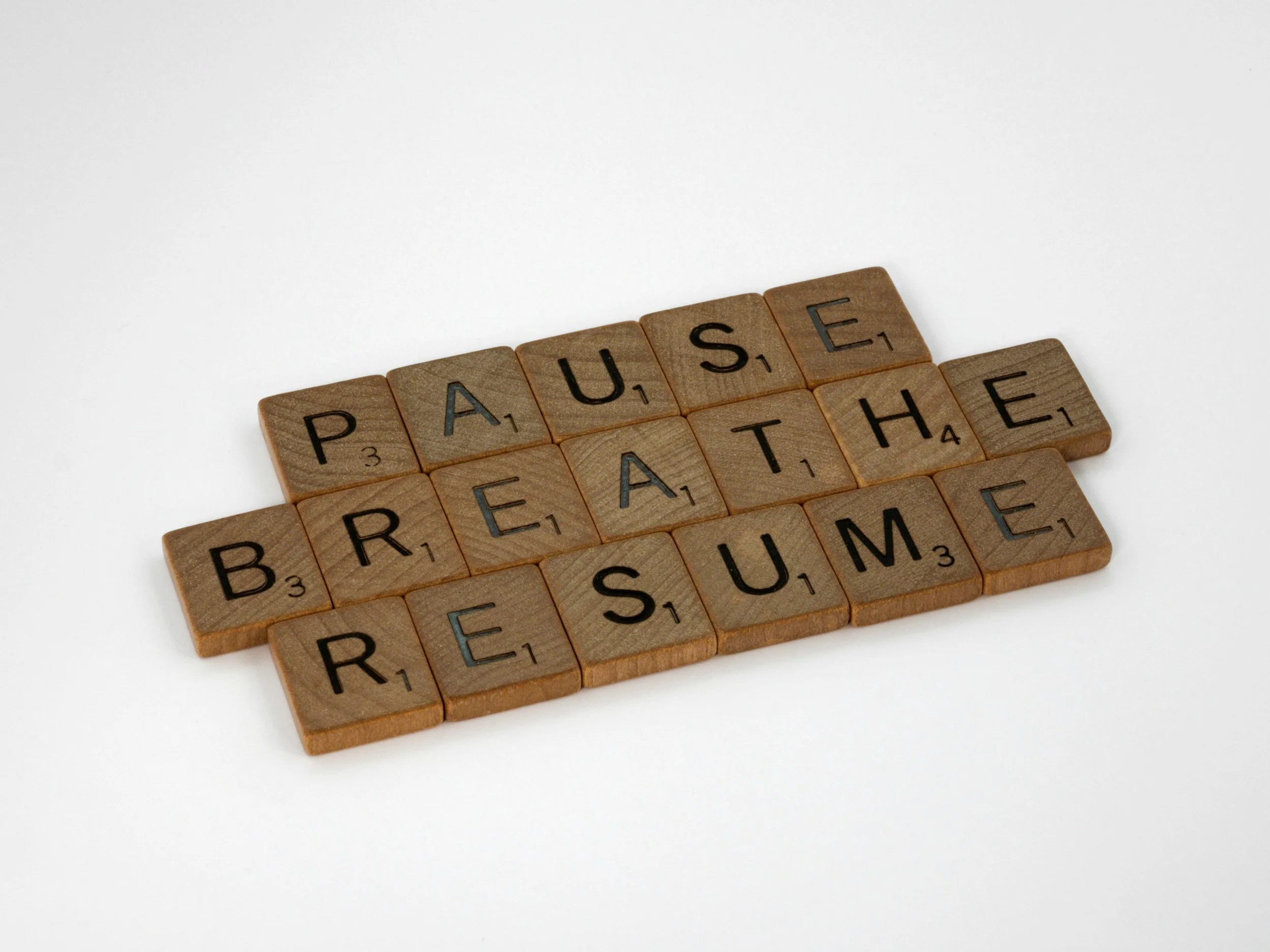
2. Harness the Power of the Pause
One of the biggest mistakes couples make during conflict is trying to solve problems when their nervous systems are already overwhelmed.
When we're emotionally activated, our brains become less capable of empathy, perspective-taking, and problem-solving. Instead, we move into survival mode.
You may notice yourself:
Raising your voice
Interrupting
Shutting down
Becoming defensive
Saying things you later regret
This is where the pause becomes incredibly powerful.
The next time a disagreement starts escalating, try stopping for just 30 seconds.
Ask yourself:
What am I feeling right now?
What do I need?
What outcome do I want from this conversation?
How do I want my partner to feel after we talk?
Taking a brief pause gives your nervous system an opportunity to regulate before responding.
The Difference Between Reacting and Responding
Reacting is automatic.
Responding is intentional.
When we react, we often speak from frustration, fear, or hurt.
When we respond, we speak from clarity.
A simple pause can be the difference between:
Escalating a conflict
Creating understanding
It may feel small, but this practice can dramatically improve communication over time.
In fact, many couples tell me that learning to pause during conflict is one of the most valuable skills they gain through couples counseling in Rancho Cucamonga.
The Importance of Micro-Moments of Connection
While conflict gets most of the attention, healthy relationships are built through everyday moments of connection.
Research consistently shows that strong couples turn toward each other in small ways throughout the day.
This might look like:
A six-second kiss before leaving for work
Sending a thoughtful text during the day
Holding hands while watching television
Making eye contact during conversations
Asking meaningful questions and listening to the answers
These moments may seem insignificant, but they help create emotional safety and trust.
When couples stop investing in these small interactions, disconnection often follows.
If your relationship feels distant, start by looking for opportunities to create more positive moments together rather than waiting for a major breakthrough.
When It May Be Time for Professional Support
Sometimes relationship challenges go beyond communication tips and self-help strategies.
If you're experiencing:
Constant arguments
Emotional disconnection
Trust issues
Infidelity or betrayal
Recurring resentment
Difficulty resolving conflict
A feeling that you're living like roommates
It may be time to seek professional guidance.
Working with a therapist can help you identify the underlying patterns driving your conflict and develop healthier ways of relating to one another.
At Rancho Counseling, we provide couples counseling Rancho Cucamonga for couples who want to rebuild trust, improve communication, strengthen emotional intimacy, and create lasting change. We offer both traditional therapy and private couples intensives designed to help partners make meaningful progress in a focused, supportive environment.
It's Never Too Late to Reconnect
Many couples wait years before seeking help because they believe things will eventually improve on their own.
Unfortunately, relationship problems rarely resolve through avoidance. More often, they grow larger over time.
The good news is that even relationships that feel stuck can change when both partners are willing to approach each other with curiosity, compassion, and commitment.
Small shifts—like expressing needs instead of criticism and learning to pause before reacting—can create powerful momentum toward healing.
And when you need additional support, you don't have to navigate it alone.
If you're looking for couples counseling in Rancho Cucamonga, we'd be honored to help you strengthen your relationship and rediscover the connection that brought you together in the first place.
Ready to Take the Next Step?
Schedule a FREE 15-minute consultation to learn more about our couples therapy and relationship intensives. We'll answer your questions, discuss your goals, and help you determine the best path forward for your relationship.
Alicia Taverner, LMFT, is a licensed marriage and family therapist who helps couples heal after infidelity, years of resentment, and the exhaustion of feeling stuck in the same painful patterns.
Her work helps partners begin to understand each other again, rebuild appreciation, and create lasting change with a focused, supportive approach. Alicia uses brain based techniques, including Brainspotting and ketamine assisted psychotherapy, in an intensive format that gives couples more room to heal without the start and stop of weekly sessions.
Learn more about Alicia’s work with affair recovery intensives, relationship therapy, and ketamine therapy, or visit her About page.

12 Ways to Affair-Proof Your Marriage: Tips from an Affair Recovery Therapist
As an affair recovery therapist, I've seen firsthand how small moments of disconnection can create vulnerability in a relationship. Learn 12 practical ways to strengthen your marriage, deepen connection, and reduce the risk of infidelity before a crisis occurs.

In the craziness of your daily lives, it's common for couples to forget to give their marriage some TLC. You know, life gets busy, and we get caught up in the whirlwind.
But here's the deal—taking care of your relationship is a big deal.
As a therapist who specializes in affair recovery, I help couples heal from infidelity and other trust violations every day. One of the most important parts of the affair recovery process is understanding how a relationship became vulnerable to an affair in the first place.
While no marriage can be completely affair-proof, there are steps you can take to strengthen your connection, protect your relationship, and reduce the risk of infidelity. Think of these habits as building a fortress around your marriage.
Here are 12 ways to affair-proof your marriage and strengthen your relationship for the long haul.

1. Make Your Marriage the #1 Priority
Start by acknowledging that your marriage should be your top priority. Open a sincere conversation with your spouse. Discuss what you both can do to keep your relationship at the forefront of your lives.
Many couples in affair recovery realize that their relationship slowly moved down the priority list long before the affair occurred.
2. Nourish Your Relationship
In the chaos of daily life, it's easy to let your spouse take a backseat. Take the initiative to ask your partner:
"What do I need to do to help you feel that our marriage is our top priority?"
Listen attentively and take action. Small changes often create the biggest shifts in connection.
3. Spend Quality Time Together
Quality time is the glue that holds a marriage together. Regularly invest in activities that strengthen your connection.
Build friendship, create shared experiences, and lay the foundation for intimacy and lasting love. Strong friendships are one of the best protections against disconnection and infidelity.
4. Choose Your Battles Wisely
Instead of constantly correcting or criticizing your spouse, focus on the positives. Acknowledge their efforts and strengths rather than fixating on perceived flaws.
Remember, encouragement goes a long way. Relationships thrive when partners feel appreciated rather than criticized.
5. Give Each Other Breaks
Grant your partner the space they need. It's essential to have time for individual pursuits and personal growth.
Healthy marriages balance togetherness and independence. Supporting each other's individuality often strengthens the relationship as a whole.
6. Talk About What's in Your Heart
Open and honest communication is the bedrock of any successful marriage.
Share your thoughts, fears, dreams, and concerns with your spouse. Encourage them to do the same, fostering deeper understanding and connection.
Many couples seeking affair recovery support realize they stopped sharing their inner worlds long before trust was broken.
7. Focus on the Positive
Cultivate an environment of positivity in your marriage. Celebrate each other's successes, no matter how small.
Express gratitude for the positive aspects of your relationship. What we focus on grows, and appreciation creates emotional safety.
8. Keep Sex and Passion Alive

Intimacy is a vital component of a thriving marriage. Make a conscious effort to keep the spark alive through affection, meaningful conversations, and physical connection.
Be open to exploring each other's desires and discussing your needs honestly. Emotional and physical intimacy help create a strong bond that supports long-term relationship health.
9. Make Yourself Happy
Your individual happiness contributes to the well-being of your marriage.
Pursue activities that bring you joy and encourage your spouse to do the same. A fulfilled individual is more likely to contribute positively to the relationship.
Your spouse cannot be responsible for your entire sense of fulfillment.
10. Hang Out with Marriage-Friendly People
Surround yourselves with couples who share similar values and commitment to their relationships.
Positive influences can inspire and support your own journey. Healthy relationships often flourish in communities that value commitment, connection, and growth.
11. Commit to Lifelong Learning
Marriage is an ever-evolving journey.
Embrace opportunities for personal and relational growth. Commit to learning from each other and adapting to the changes that life brings.
The strongest marriages aren't perfect—they're flexible, curious, and willing to grow together.
12. Don't Forget to Date Each Other
Keep the romance alive by continuing to date each other.
Plan regular date nights, explore new experiences together, and create shared memories. Dating your spouse shouldn't stop after marriage—it becomes even more important as life gets busier.
These moments help reinforce friendship, intimacy, and emotional connection.
Protecting Your Marriage Before You Need Affair Recovery
If you read through this list and identified three or more areas you'd like to improve, don't wait until your relationship is in crisis.
The couples I work with in affair recovery often wish they had addressed disconnection sooner. The good news is that strengthening your relationship today can help prevent bigger problems tomorrow.
Whether you're looking to reconnect, improve communication, rebuild intimacy, or recover from a betrayal, support is available.
Schedule your free 15-minute phone consultation and get your relationship back on track with the right support.
Alicia Taverner, LMFT, is a licensed marriage and family therapist who helps couples heal after infidelity, years of resentment, and the exhaustion of feeling stuck in the same painful patterns.
Her work helps partners begin to understand each other again, rebuild appreciation, and create lasting change with a focused, supportive approach. Alicia uses brain based techniques, including Brainspotting and ketamine assisted psychotherapy, in an intensive format that gives couples more room to heal without the start and stop of weekly sessions.
Learn more about Alicia’s work with affair recovery intensives, relationship therapy, and ketamine therapy, or visit her About page.

Can Couples Therapy Make Things Worse?
If you’re going from a relationship that rarely or never has conflict, to one that has open dialogue and direct communication then it can be quite eye-opening to make so many changes.
But that doesn’t mean that it’s not for the better.

I’ve heard a lot of strange reasons that couples don’t start the process of couples therapy. Seeing couples day in and day out often makes me forget about some of the myths that exist.
The couples I see are usually so ready to dig in and improve their relationships that sometimes I forget that people actually do believe some interesting things.
One of the questions that I always ask couples is whether or not they have been in therapy before. I like to know what worked and what didn't work with their previous therapy so that I can make sure they get what they are looking for during our time together.
Most recently, I asked a couple if they had been in therapy before and one partner piped up and said, “no we haven’t because she always told me that therapy would just make things worse and cause us to fight more.”
I giggled a little. But then I asked, “what does fighting more mean to you?”
It turns out this couple held the belief that having any conflict in marriage was a sign of an unhealthy marriage. This is not the first time I’ve heard this you can check out my other blog post on the topic here. Many people don’t understand that conflict gives us opportunities for learning, repair, understanding, growth, and creating a deeper connection.
So when people ask, “can couples therapy make things worse?” The answer is: it’s possible. But read on to understand why:
If you’re a couple who rarely argues and has a lot of passive-aggressive tendencies and patterns; then good couples therapy will help bring those issues out in a more direct manner, and it might feel like things are getting worse because there will be more overt conflict.
If you’re a couple where one or both partners harbors a lot of resentment and rarely speaks openly to make requests; then good couples counseling will help bring things to the surface more directly and it very well could feel like things are getting worse because you may be so used to not having direct and open dialogue.
If you’re a couple who had issues from one or both partner’s infidelity, and in order to continue the relationship agreed to just “move on” or “forgive and forget” what happened and rarely, if ever, talk about residual feelings stemming from those betrayals; then good couples therapy might bring those feelings to the surface and the relationship could seem worse because there will be a lot of things coming out that haven't been said.
In all three of the above scenarios exist unhealthy patterns that typically lead to relationship dissatisfaction. So even without couples therapy there’s a high chance that those patterns could lead to divorce if left unchecked.
When couples start therapy with us we like to paint a picture of what couples can expect and I typically have a conversation that goes something like this:
In the beginning of couples therapy, the trajectory of relationship satisfaction tends to go up. The fact that you’re both committed to attending provides a sense of hope, and in the beginning most people find it easy to take direction. They dot their I’s and cross their T’s - they do the homework assigned by the therapist and they spend time focusing on important topics in session and learn to talk about things in a different way.
This is mostly behavioral change.
After a couple of months the couple will get into a fight. It is usually a fight about something they’ve been fighting about for a long time in the relationship, and at that point they will revert back to their old patterns.
This fight can feel even worse than before they started therapy.
The reason it feels worse is: people feel like because they are in therapy, they shouldn’t be doing things the old way, and they should “know better,” since they’ve been working hard learning new ways of behaving.
The truth is: this is actually when the real work in couples therapy begins.
This is when couples get to start to understand what is under their behavior.
At this point in time a good couples therapist will help them look beneath the behavior at the various patterns that each partner brings to the table and they will begin to see how those patterns show up in different areas of their lives, including this relationship.
Once each partner is able to identify the impact of the challenging or maladaptive patterns then they can begin to understand the patterns, understand themselves, and find ways to truly create lasting change in the relationship.
I’m not going to lie to you - this part of the process can be really difficult and it’s when a lot of couples want to quit therapy.
If you’re going from a relationship that rarely or never has conflict, to one that has open dialogue and direct communication then it can be quite eye-opening to make so many changes.
But that doesn’t mean that it’s not for the better.
Couples who come out on the other end have much higher levels of connection, intimacy, trust, and commitment. They have more passion and romance, and they have much deeper levels of friendship.
When couples get out of their comfort zones, that is when good things begin to blossom. So yes, couples therapy can make things seemingly worse. But if you stick with it and push past those difficult times, it’s totally worth it!

4 Actual issues disguised as, “Trouble Communicating”
In 90% of the cases I have seen, communication is not the biggest problem. There are so many issues that are masked and placed under the category of “communication.”
Since I started my therapy practice over a decade ago I’ve taken thousands of calls from people over the phone looking for therapy. The first thing I ask is, “tell me a little bit about what you are looking for help with.” And inevitably within the first minute everyone I have ever talked to about their relationship in one form or another tells me they need help with their communication.
However, in 90% of the cases I have seen, communication is not the biggest problem. There are so many issues that are masked and placed under the category of “communication.”
Simply put, communication is the imparting or exchanging of information or news. Most couples don’t actually have an issue exchanging words, information, or news with one another.
They actually have problems listening, empathizing, talking about their feelings in a constructive way, and dealing with their own triggers which cause them to become flooded, shut down, and unable to focus on their partner’s requests and communication.
Listening
There is an actual art to listening. It doesn’t always come naturally to us and most people listen to the first part of what their partner says, then they think they have the gist of what was said, and they begin formulating their response while the other person continues to speak. While they are formulating their response they tend to stop listening or cut their partner off before they are finished speaking.
At this point the conflict or discussion can become derailed and the focus is shifted onto the fact that the person speaking was interrupted, feeling like they are being dismissed, or there may be a blow up if this is something that happens continually in the relationship.
Instead of formulating your response while your partner is speaking, work on building your empathic response.
Empathizing
You do not have to agree with your partner’s feelings or thoughts to be an empathic listener! (Trust me on this one - I literally empathize for a living, and I do not always agree with what my clients are saying.) Empathic listening is the best way to convey to your partner that you hear and understand what they are saying.
Here’s an example:
Partner 1: “Today was so terrible! My boss has been such a jerk lately and she called me in to discuss everything that was wrong with the project I have been working on and now it’s going to put me back 2 days to make all of the changes to things she already approved last week!”
Partner 2: “Babe that sounds rough, I’m sorry you had a bad day. I could see how that would be so stressful for you to make those changes in such a short period of time.”
Notice Partner 2 did not say anything about how to fix the issue, make any criticisms about Partner 1’s approach, or tell them they shouldn’t be stressed. Your partner may wish for your feedback or advice, and in those cases they will ask. You can also practice asking, “do you need advice, or do you need me to just listen?”
Talking about feelings
Talking about your feelings in a way that your partner can hear is one of the best skills you can learn to improve your relationship. Couples will tell me they’ve discussed how something their partner did or said made them feel, but when I actually sit and break down their conflict with them it turns out they haven’t actually done so and are counting on their partner to read their mind or “just know” based on their reaction.
What not to say:
“I do everything around here! I’m running around all day, getting the kids here and there, trying to get everything done at work, and I’m so tired! I don’t get any support from you!”
It might seem like the partner expressing this has conveyed how they are feeling, however this statement is void of any important emotional dialogue necessary for their partner to hear. Instead, “I don’t get support from you!” is a criticism. This statement is used to convey blame, not to convey how the person is actually feeling. When someone feels criticized or blamed their natural response is to become defensive.
If this person would like help from their partner, they aren't actually asking for it, nor are they letting their partner know what it feels like when they don’t provide assistance.
What to say:
Instead saying something like, “Babe I’ve been feeling so overwhelmed lately, I have deadlines at work, and running the kids back and forth has felt so exhausting. Can you help me by taking the kids to school tomorrow and picking them up from daycare on Thursday?”
If the pattern continues or the partner is unable to offer assistance, coming back and saying, “I’ve asked you for help, and I get that you can’t pick the kids up Thursday, but I feel so hurt and alone when I don’t have your support. Can you help me come up with any other solutions?”
Focusing on the feelings of hurt and loneliness is important, and it gives your partner an opportunity to respond to your emotions with much less to become defensive about because you’re not attacking, criticizing, or blaming.
Recognizing triggers
Recognizing your triggers can be one of the most difficult things to do on your own. That is why therapy is so helpful. It’s like sitting in your living room and your therapist can ask you to pick up the rug a little and see what is under there, or behind the couch where you might not have looked in a while.
Many times couples have perpetual problems that just keep resurfacing and turning into blow-ups. Remembering the saying, “if it’s hysterical, it’s historical,” can be helpful - meaning, if you are having a really big emotional reaction to something, it’s probably a trigger from your past that is resurfacing.
When you are not in the heat of the moment and can take time to think about the reaction, ask yourself, where have I felt this feeling before?
Many times couples aren’t just responding to one another when they are arguing, but they are having an automatic response that is related to a previous trauma.
Having a big reaction to a spouse who appears nit-picky can bring up old wounds that come from having a highly critical parent while growing up. Feeling the need to control your partner’s actions may actually be coming from living with an alcoholic parent where life was very unpredictable. You can read more about how trauma can impact your relationship here.
Once you are able to recognize where your triggers come from, working through them in your own personal therapy or in couples therapy will immensely benefit your relationship.

How Trauma Impacts Marriage
“If it’s hysterical, then it’s historical.” Have you ever heard this saying? When there is an unresolved trauma that comes from childhood, it can rear its ugly head right in the middle of an argument with a partner and cause havoc. That response that’s so big, and seemingly unnecessary, can then touch on your partner’s unresolved trauma causing a tidal wave of emotions to come spewing back. This is typically the reason couples have such difficulty hearing one another and reaching resolutions.

“If it’s hysterical, then it’s historical.” Have you ever heard this saying? Maybe it's just psychology geeks like me who gravitate towards these types of sayings. This is one that has really stuck with me from grad school through the years in my practice. You might be wondering what the heck that even means - well, when someone has a really big reaction to something that doesn’t necessarily warrant that type of reaction it’s usually related to something from the person’s past. Many times it's an indication of something that has also been unresolved.
As a couples therapist I hear fights about so many different things - things that might seem pretty benign on paper: You didn’t do the dishes! You never text me back quickly enough! You didn’t tell me you were stopping at the store on your way home!
If you can imagine grown adults having what looks like a tantrum in my office for these above examples, it might seem so ridiculous to you. However, the reason that these things cause such big reactions for people has less to do with the subject matter, and more to do with old wounds and historical traumatic experiences.
Going to war isn’t the only thing that causes a trauma response although it is one of the quintessential experiences that people tend to imagine and sometimes the only thing people imagine can cause PTSD - but that assumption is outdated and incorrect.
Trauma can be defined as “a deeply distressing or disturbing event,” and emotional trauma is experienced when there is a violation of a person’s familiar ideas about the world and about their human rights.
Trauma can be difficult to define because it’s really about the way the event is experienced. In Oprah and Dr. Bruce Perry’s book, What Happened to you? They discuss an excellent example of a fire in an elementary school.
For the firefighter on the scene, this was business as usual, and the incident felt controllable and even predictable. For the first grader in that classroom this event caused him to experience minutes of terror, intense fear, confusion, and helplessness. Both are very different experiences, and this is considered a trauma for the child due to his response.
A recent study by the National Survey of Children’s Health found that almost 50 percent of children in the US have had at least one significant traumatic experience. And the CDC recently reported that 60 percent of American adults report having had at least one adverse childhood experience, or ACE. (You can find out more about the ACEs here)
Events like an infidelity or sudden threat of divorce in relationships can be very emotionally traumatic and people describe experiencing them in terms like, “my world shattered,” or “I felt like the rug was pulled out from under me.” In these examples the relationship that the person believed was stable and secure is turned upside down and unrecognizable.
That sense of security being ripped out and the sense of reality being shattered causes emotional trauma. There are developmental traumas (that happen during childhood), and emotional traumas that can happen at any age. Either type of trauma can impact the relationships closest to us, including our marital relationship.
When there is an unresolved trauma that comes from childhood, it can rear its ugly head right in the middle of an argument with a partner and cause havoc. That response that’s so big, and seemingly unnecessary, can then touch on your partner’s unresolved trauma causing a tidal wave of emotions to come spewing back. This is typically the reason couples have such difficulty hearing one another and reaching resolutions.
The conflict often becomes so big that both partners eventually retreat and only come back together when they absolutely need to deal with something together, like parenting their child, or they have to play nice in front of family or friends.
The argument that is started because your partner had expectations about spending time alone together after a long day can really be about him/her being upset that you haven’t made them a priority. And that need to be high on your priority list may not even be coming from your relationship at all, but from their unresolved need to be prioritized as a child since their mother was often away using drugs and alcohol, and they were left to fend for themselves.
When both partners have unresolved traumas they can continue to bump heads with each other. One partner may have a deep-seated need to be a priority due to parental abandonment, while the other has a deep need to be independent because they were constantly smothered by an overbearing parent. These two marry one another, and dig their heels in, fight tooth and nail, and continue to go around and around about this seemingly unresolvable issue in the marriage.
The negativity from something like this can bleed out into other areas of the relationship and erode it over time.
Couples therapy is a great place to identify how past traumas are showing up in your relationship and can be worked on in that setting, or your therapist might recommend individual therapy in addition to or in place of couples therapy. Either way working to resolve past traumas can be incredibly beneficial to your marriage.