
Blog
Ketamine Therapy: Why Integration Is Essential for Healing
Learn why integration is a critical part of ketamine therapy. Explore how post-session support, guided reflection, and evidence-based integration practices help create lasting therapeutic outcomes.
If there’s one thing I wish every person exploring Ketamine-Assisted Psychotherapy (KAP) understood, it’s this: the medicine session is just the beginning. The real transformation happens as you bring those insights back into your daily life—into your relationships, your routines, your choices, and the quiet moments where real change takes root.
Integration isn’t a single task you check off when the session ends. It’s an ongoing, sometimes life-long process. It’s the intentional act of taking what you’ve been shown in a ketamine session and weaving it into the fabric of your daily experience.
This is where the healing deepens.
This is where the shifts become lasting.
This is where you reclaim your life with clarity and purpose.

Why Integration Matters
The truth is simple but easy to overlook: without integration, the experience fades; with it, healing solidifies.
You can have the most beautiful insights—realizations about your worth, clarity about your relationships, profound moments of emotional release—and still return to your day-to-day life only to watch those revelations slip into the background. The school drop-offs, the emails, the meetings, the rush of responsibility… they all have a way of crowding out the spaciousness that ketamine temporarily opens.
An experience is just an experience without integration.
I learned this firsthand.
In 2021, I stepped into the world of psychedelics. A friend introduced me to a colleague opening an IV ketamine clinic and invited me to try a few sessions. I went in with curiosity, not knowing it would become such a pivotal moment in my life.
The experience was incredibly eye-opening. I felt connected to my own energy in a way I never had before. I had a profound sense of what truly mattered—my family, my marriage, my children—and it felt as if the contents of my brain had been taken out, rearranged, and placed back in the correct order. I didn’t have swirling thoughts or brain fog any longer. I walked out of the clinic euphoric, grounded, and clear.
I went home and gave myself some time to reflect… but as the days and weeks passed, the experience began to fade. At that time, my therapist wasn’t trained in psychedelic integration, and without adequate support, the insights slowly slipped into the background. After a month, it was almost dreamlike—impactful, yes, but not fully embodied. Life simply went back to normal.
That experience stayed with me. It also became the reason I spent the next four years studying psychedelic integration and committing myself to providing clients with something profoundly different:
the support needed to make their KAP healing truly last.
KAP can feel confusing or abstract without intentional processing. A skilled integration therapist helps you make sense of the experience, connect it to your patterns, and actually live the insights in a grounded, embodied way.
Integration Tools That Support Growth
Integration isn’t about perfectly remembering every detail of your dosing session—it’s about translating meaning into action. It’s the bridge between insight and embodiment.
Some of the tools I help clients work with include:
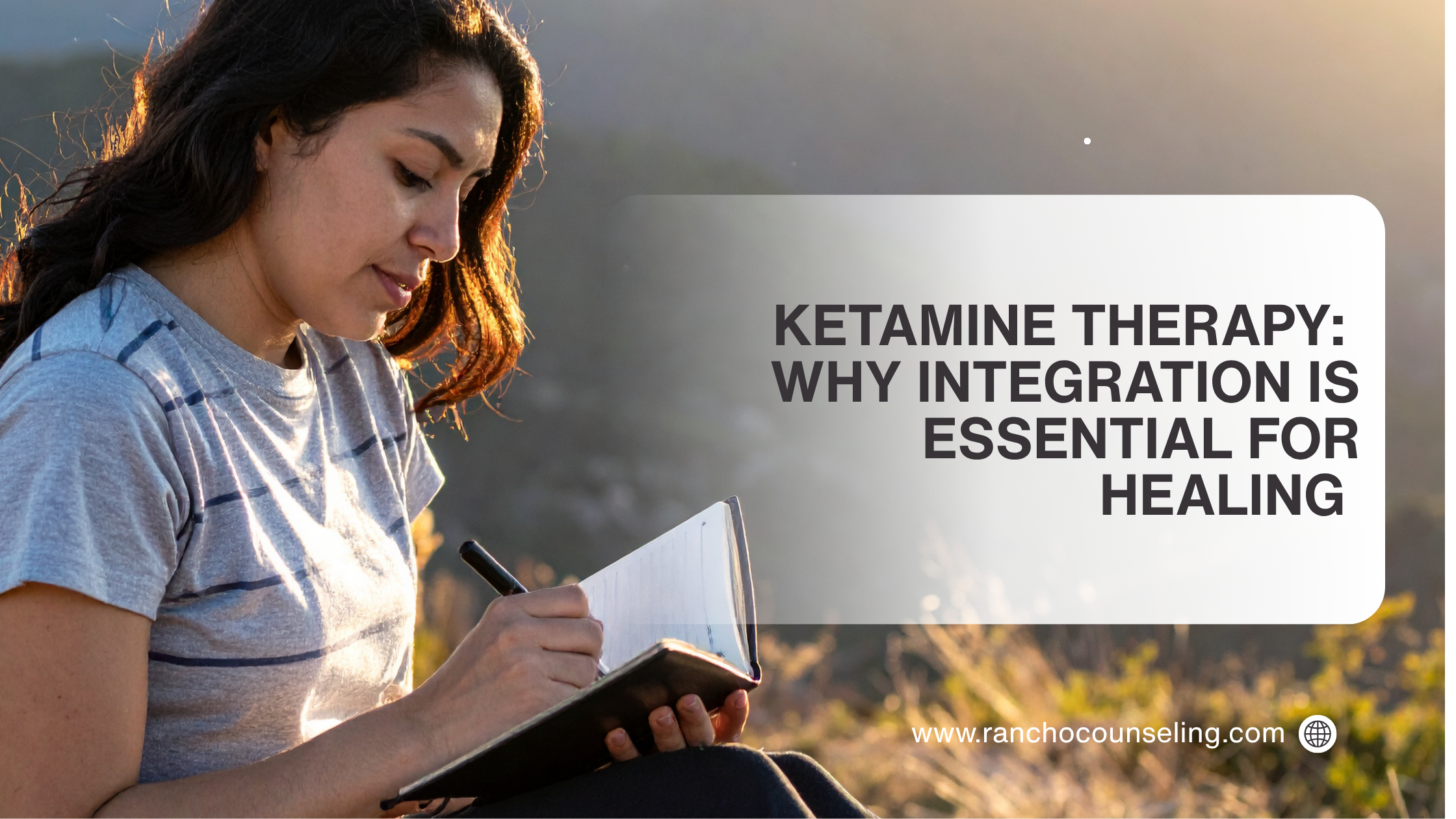
• Journaling – capturing realizations, anchoring meaning, and noticing emerging themes. All of my clients receive an integration guide that includes journal prompts for the journey.
• Mindfulness and somatic awareness – learning to live inside a calmer, more connected nervous system
• Internal Family Systems (IFS) – understanding the parts of you that appeared during the session
• Brainspotting – deepening neuroprocessing and supporting emotional release
• Couples check-ins – applying insights directly to relational healing and communication
Integration is the process of turning insights into lived experience—bringing lessons, realizations, and new awareness into the way you show up in your life. Using these tools alongside a therapist who guides, encourages, and holds you accountable is what helps create lasting change.
Healing grows through continued practice, support, and connection.
Support Options After Ketamine Therapy
KAP is powerful, but it is never meant to be a stand-alone treatment. The typical protocol includes a series of six dosing sessions, but the real transformation relies on what happens between and after them.
Each dosing session is followed by an integration session. We also spread dosing based on your needs, your stability, and your goals. A strong, trust-based therapeutic relationship is essential—this is the container that carries you through the entire journey.
Integration is where you make meaning, build new patterns, and learn new ways of being. It’s where real life begins to shift.
And this is where I walk alongside you—not just as a therapist, but as a guide helping you anchor the transformation you’ve worked so hard to begin.
Next Steps in Your Healing Journey
If you’re exploring KAP, or if you’ve had sessions in the past that didn’t quite translate into the lasting shifts you hoped for, integration therapy can make all the difference.
You can read more about the science behind KAP here:
→ How Ketamine Rewires the Brain
→ The Ultimate Guide to Ketamine Assisted Therapy
Your healing deserves support, spaciousness, and a compassionate guide who helps you transform insight into lasting change. If you’d like to explore what Ketamine therapy could look like for you—or for you and your partner—I’d love to talk.
Reach out for a consultation anytime. Your journey doesn’t end with the medicine session. It begins with how you integrate it.
Alicia Taverner, LMFT, is a licensed marriage and family therapist who helps couples heal after infidelity, years of resentment, and the exhaustion of feeling stuck in the same painful patterns.
Her work helps partners begin to understand each other again, rebuild appreciation, and create lasting change with a focused, supportive approach. Alicia uses brain based techniques, including Brainspotting and ketamine assisted psychotherapy, in an intensive format that gives couples more room to heal without the start and stop of weekly sessions.
Learn more about Alicia’s work with affair recovery intensives, relationship therapy, and ketamine therapy, or visit her About page.
Ketamine Therapy for Attachment Trauma and Anxiety
Attachment trauma often fuels anxiety, emotional shutdown, and relationship conflict. Learn how ketamine therapy helps heal attachment wounds, regulate the nervous system, and create lasting change.
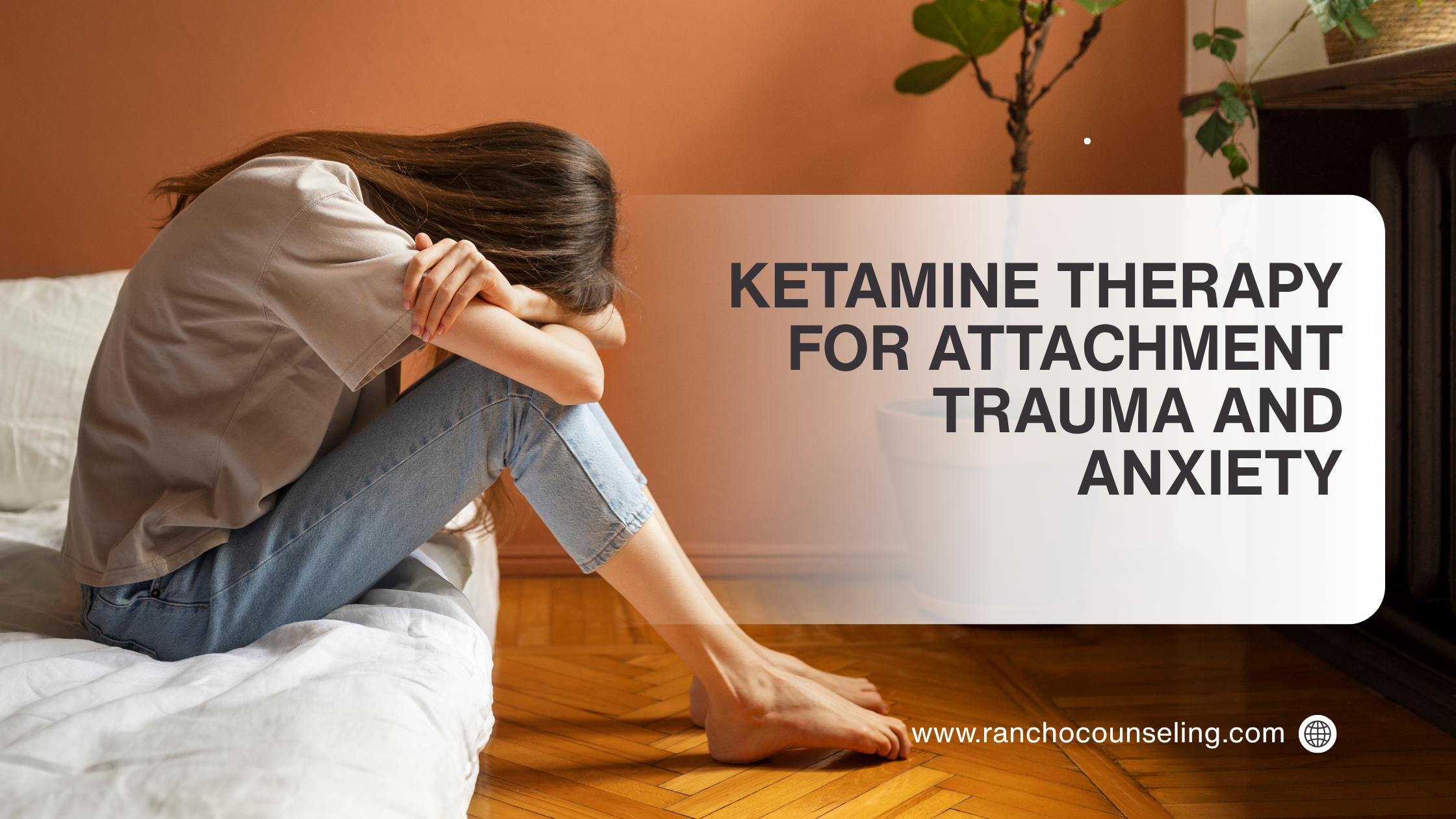
So many of us carry early attachment wounds—a quiet fear that we're not safe, not lovable, or that closeness will lead to pain. These fears often live beneath the surface, shaping how we respond to stress, conflict, and intimacy without us even realizing it.
Ketamine therapy offers a powerful way to heal these deeper attachment wounds by helping the brain and nervous system create new pathways for safety, connection, and emotional resilience. Whether you're struggling with anxiety, relationship challenges, or the lasting effects of childhood trauma, ketamine therapy can help you move beyond survival patterns and into a more connected way of living.
How Attachment Trauma Creates Anxiety—and How Ketamine Therapy Helps
If you had inattentive, dismissive, highly critical, or abusive caregivers, you learned to adapt in order to stay in relationship with them. As a child, you cannot turn away from or “leave” your caregiver — you depend on them to feed, clothe, and care for you. So instead, you turn your anger, fear, or protest inward.
This is not a failure. It is survival.
Over time, these survival adaptations often show up in adulthood as:
Over-achieving or perfectionism
Hyper-independence
People pleasing
Possessiveness or fear of abandonment in relationships
Difficulty trusting others
Emotional shut-down or withdrawal during conflict
All of these patterns live in the body and nervous system — and they frequently manifest as chronic anxiety. This is some of the most common work I do in my practice as a couples therapist.
Ketamine therapy can be a powerful tool in helping individuals and couples heal attachment trauma at the nervous system level.
One reason ketamine therapy has gained so much attention in recent years is its ability to promote neuroplasticity—the brain's capacity to form new connections and break free from old patterns. For people carrying attachment trauma, ketamine therapy can create opportunities to respond differently to triggers, experience greater emotional flexibility, and develop a deeper sense of safety in relationships.
Ketamine helps create new neural pathways in the brain, which means that instead of automatically going down the same old road — shutting down, withdrawing, assuming you are unloved — you gain more flexibility and choice.
Rather than collapsing inward when you feel hurt, you can begin to:
Stay emotionally present
Talk openly about what something brought up for you
Experience yourself as loved and valued
Respond to the issue for what it actually is — not what it echoes from the past
👉 Related reading: How Ketamine Therapy Rewires the Brain for Healing
How Ketamine Therapy Helps Heal Attachment Trauma
Attachment trauma is not just psychological — it is deeply physiological. Many people cope with early relational pain through dissociation or emotional numbing as a form of self-protection. This may look like “checking out,” going blank during conflict, or feeling disconnected from your emotions or body.
In intimate relationships, this often becomes especially activated.
The relationship with your partner can unconsciously mirror the role your caregiver once played. Although your partner is not your parent, the part of your brain responsible for safety and survival cannot tell the difference.
So when conflict arises — something as simple as an argument about going to an event — your nervous system may respond as if your safety is at stake. If you learned as a child that speaking up led to criticism or abuse, you may shut down and dissociate to prevent things from escalating.
Your partner may feel confused, hurt, or rejected — especially if they experienced abandonment themselves.
Ketamine-Assisted Psychotherapy (KAP) helps soften these rigid protective defenses. Many clients experience a shift out of fight-or-flight and into a regulated, grounded state. When your nervous system feels safer, you no longer have to protect yourself out of fear of abandonment.
While every ketamine experience is unique, many people come away with:
A more compassionate view of themselves
Reduced reactivity during emotional conversations
A felt sense of safety inside their own body
Greater emotional openness and flexibility
This creates fertile ground for deeper healing — not just insight, but embodied change.
Ketamine Therapy for Couples Healing Attachment Trauma

Attachment trauma rarely exists in isolation — especially in long-term relationships.
Your attachment response often triggers your partner’s attachment response. For example, when you withdraw or shut down, your partner may feel intense fear of abandonment — especially if they had a caregiver who disappeared emotionally or physically for days at a time.
In an attempt to reconnect and feel secure, they may push harder, pursue the conversation late into the night, or demand resolution. This can leave both partners exhausted, dysregulated, and on the brink of giving up.
This is where ketamine therapy for couples can be profoundly transformative.
In couples work, ketamine therapy can help partners move beyond defensive cycles and access the underlying fears, hurts, and attachment needs that often drive conflict. When combined with integration and relationship-focused therapy, ketamine therapy can create profound shifts in communication, trust, and emotional connection.
In my couples intensives, we work directly with the triggers and conflict patterns that keep you stuck. Ketamine allows us to access these patterns with more compassion and far less defensiveness.
We may use:
Very low-dose (psycholytic) ketamine, which lowers defenses while allowing you to stay present, talk, and actively work through conflict together
Higher-dose sessions that create a more internal experience, followed by integration work focused on shifting defensive patterns and building new ways of relating
Integration is where the real change happens. We focus on translating insights into concrete tools for communication, safety, and emotional repair.
👉 Learn more: What Really Happens in a Ketamine-Assisted Psychotherapy Session
👉 Explore: Couples Intensives
Begin Your Healing Journey with Ketamine Therapy
If anxiety, emotional shutdown, or recurring relationship conflict are affecting your life, ketamine therapy may offer a powerful path toward healing. By addressing attachment trauma at both the emotional and nervous system levels, ketamine therapy can help you create lasting change rather than simply managing symptoms.
If you're interested in exploring ketamine therapy for yourself or your relationship, I invite you to schedule a consultation to learn more about how Ketamine-Assisted Psychotherapy can support your healing journey.
📞 Call today to schedule a consultation(909) 600-0306 to discuss whether ketamine-assisted therapy or a couples intensive is the right next step for your relationship.
👉 Related resources:
You deserve a relationship that feels safe, connected, and deeply supportive — not one defined by old survival patterns. Healing is possible, and you don’t have to walk this path alone. Book a free 30-minute consultation today.
Alicia Taverner, LMFT, is a licensed marriage and family therapist who helps couples heal after infidelity, years of resentment, and the exhaustion of feeling stuck in the same painful patterns.
Her work helps partners begin to understand each other again, rebuild appreciation, and create lasting change with a focused, supportive approach. Alicia uses brain based techniques, including Brainspotting and ketamine assisted psychotherapy, in an intensive format that gives couples more room to heal without the start and stop of weekly sessions.
Learn more about Alicia’s work with affair recovery intensives, relationship therapy, and ketamine therapy, or visit her About page.
How Ketamine Therapy Rewires the Brain for Lasting Healing
Discover how ketamine therapy helps rewire the brain by increasing neuroplasticity, reducing reactivity, and creating new pathways for healing from trauma, anxiety, and relationship struggles.
If you’ve ever felt like traditional therapy isn’t sticking, there’s a good reason — your brain may have been stuck in survival mode. When you’re carrying past trauma, enduring current stress, or dealing with ongoing ruptures in your relationship, your nervous system shifts into a constant state of dysregulation. You feel like you’re always on edge, and even the smallest disagreement, inconvenience, or tone shift can turn into a blow-up because you were already at capacity internally.
These patterns don’t just stay inside your head — they show up in your relationship. Your partner may feel like they’re walking on eggshells, while you’re doing everything you can to keep yourself regulated, including numbing or escaping with alcohol, overeating, shopping, or scrolling.
Many people seek ketamine therapy after years of feeling stuck in the same emotional patterns despite doing everything "right." Whether you're struggling with anxiety, trauma, depression, or recurring relationship conflict, ketamine therapy offers a unique opportunity to interrupt old neural pathways and create new possibilities for healing. By supporting neuroplasticity and nervous system regulation, ketamine therapy can help you move beyond survival mode and experience greater connection, resilience, and emotional freedom.
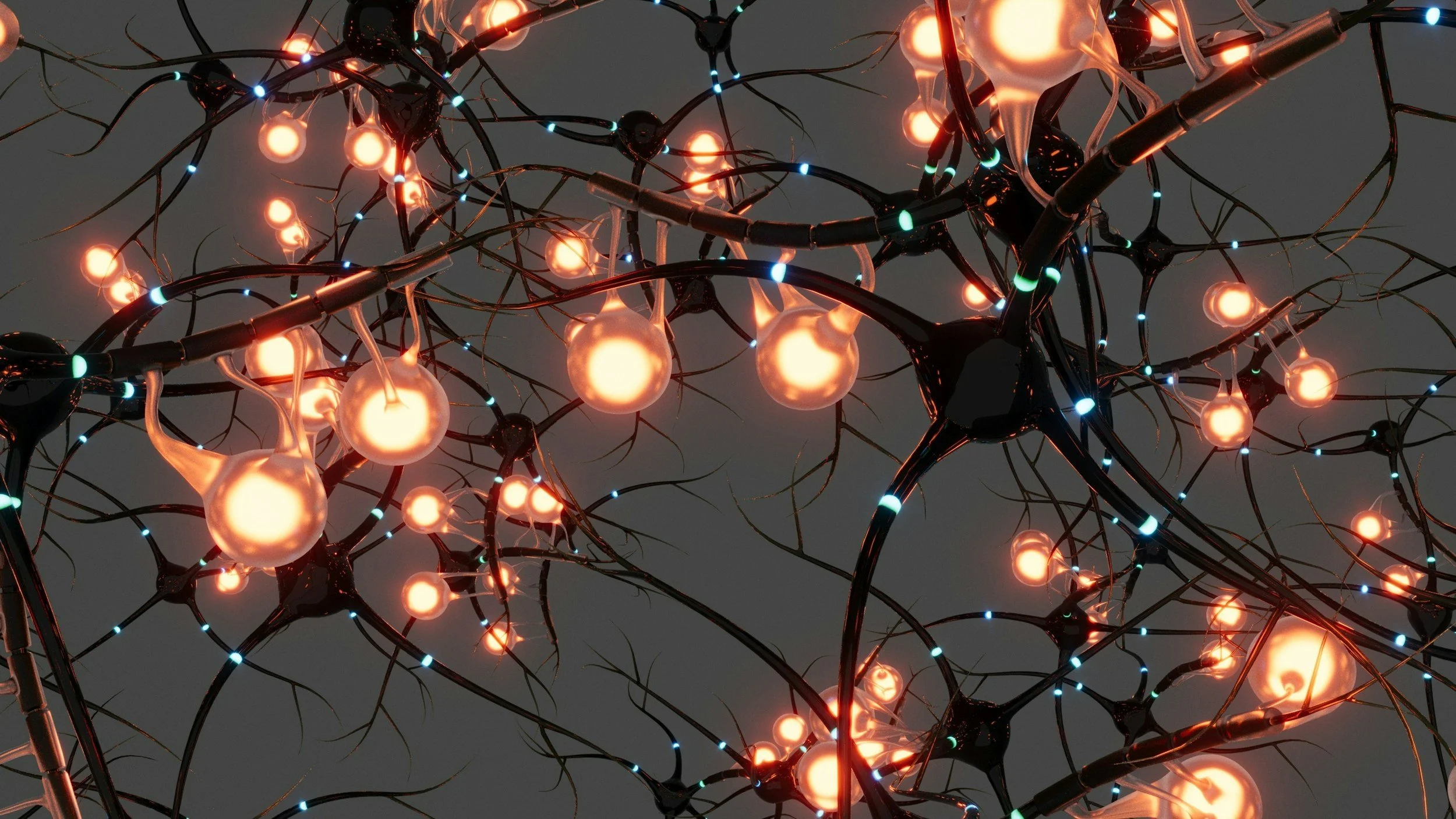
Neuroplasticity: The Brain’s Ability to Change
The good news is that your brain can change. I use tools like Brainspotting and Ketamine-Assisted Psychotherapy (KAP) to help clients create that change. Neuroplasticity refers to the brain’s ability to adapt and reorganize itself throughout life — including after trauma.
When you go through overwhelming experiences, your amygdala triggers a fight, flight, freeze, or fawn response. This part of the brain is wired to protect you, but it doesn’t understand time or space. So if you grew up in a home where yelling or punishment was normal, your brain adapted by developing protective behaviors such as dissociation, avoidance, hyper-independence, or hypervigilance.
These responses weren’t “bad” — they helped you survive. But in your adult relationships, they can create real challenges. When your partner expresses irritation, disappointment, or stress, your brain may react as if you’re still in the past. You might shut down, people-please, avoid conflict, or try to control your environment because that’s what your nervous system learned to do to stay safe. It doesn’t automatically know that your partner isn’t your caregiver, and that there is no threat of harm.
This is where ketamine therapy can be incredibly powerful. By increasing neuroplasticity, ketamine therapy helps the brain form new neural connections instead of automatically relying on old survival-based responses. Rather than reacting from fear, shame, or hypervigilance, you gain the ability to respond with greater flexibility, self-awareness, and emotional regulation.
How Ketamine Therapy Creates New Connections in the Brain
Ketamine increases neuroplasticity and helps create new neural pathways. That means when your partner sighs heavily, or gets frustrated about a long line at the store, you no longer feel the impulse to shut down, panic, or fix everything. You can respond from your higher self rather than from old survival patterns.
Many clients describe feeling like they can finally show up as who they truly are — not the version of themselves shaped by trauma, fear, or self-blame.
If you’re curious about how this experience differs from IV-only ketamine clinics, I’ve written about it here:
👉KAP vs. IV Ketamine Clinics: What’s the Difference?
Quieting the Default Mode Network
Research suggests that ketamine therapy can temporarily reduce activity in the brain's default mode network, which is often associated with rumination, self-criticism, and repetitive negative thinking. For many clients, this creates space to see themselves, their relationships, and their experiences from a new perspective—one that is less driven by fear and more connected to curiosity and self-compassion.
Clients often report:
feeling more present with their partner
communicating with less reactivity
sleeping better
improved focus on daily tasks
increased motivation and clarity
This is part of why KAP can be so transformative in couples work as well — calmer nervous systems create safer, deeper connection.
If you want a closer look at what a KAP session actually looks like, you can explore that here:
👉 What Really Happens in a Ketamine-Assisted Psychotherapy Session

Why Integration Matters for Lasting Change
Ketamine creates a window of neuroplasticity for 1–5 days. During this time, your brain is wide open to forming new beliefs, new patterns, and new emotional responses. Integration is the process of taking the insights from the dosing session and grounding them into daily life.
Without integration, even profound experiences from ketamine therapy can gradually fade into the background. With intentional integration, however, the insights gained through ketamine therapy become new habits, healthier beliefs, and lasting changes in the way you relate to yourself and others.
This is why Ketamine-Assisted Psychotherapy is so different from IV-only ketamine clinics — therapy is what helps turn the neuroplasticity window into meaningful, lasting transformation.
A Stronger, Clearer Path Forward
If you've been feeling stuck in patterns of anxiety, trauma responses, emotional overwhelm, or relationship conflict, ketamine therapy may offer a path forward. By creating new neural pathways and supporting the brain's natural capacity for change, ketamine therapy can help you access healing that feels deeper, more embodied, and more sustainable.
Whether you're interested in individual ketamine therapy, ketamine-assisted psychotherapy, or ketamine therapy for couples, support is available. Schedule a free consultation to learn how KAP can help you create lasting change and reconnect with the life and relationships you want.
Click here to schedule a free 30-minute consultation, and let’s see what’s possible for your healing.
Alicia Taverner, LMFT, is a licensed marriage and family therapist who helps couples heal after infidelity, years of resentment, and the exhaustion of feeling stuck in the same painful patterns.
Her work helps partners begin to understand each other again, rebuild appreciation, and create lasting change with a focused, supportive approach. Alicia uses brain based techniques, including Brainspotting and ketamine assisted psychotherapy, in an intensive format that gives couples more room to heal without the start and stop of weekly sessions.
Learn more about Alicia’s work with affair recovery intensives, relationship therapy, and ketamine therapy, or visit her About page.
Ketamine Therapy vs. IV Ketamine Clinics: What’s the Difference?
Considering ketamine therapy? Learn the key differences between IV ketamine clinics and Ketamine-Assisted Psychotherapy (KAP), including preparation, integration, and long-term healing outcomes.
My personal journey into the world of psychedelics began with a ketamine experience at an IV clinic. It was late 2021, and a friend of a friend was opening the clinic and inviting therapists to go through the experience firsthand to better understand the medicine and refer clients later on.
The clinic was sterile, and the experience lacked any preparation or integration. The session itself felt difficult and confusing—but somehow, I came away feeling more grounded than I had in a long time. It was as if everything in my brain had been taken out, rearranged, and put back in the correct order.
Since there was no integration or follow-up session, it ultimately became just that—an experience. As time passed, it began to feel like a distant dream I couldn’t hold onto.
Since that time, I’ve learned so much about psychedelics and Ketamine-Assisted Psychotherapy (KAP)—and I’ve learned how to provide a process that includes the preparation, guidance, and integration necessary to create lasting emotional change.
Not all ketamine treatments are the same, and understanding the difference between IV ketamine clinics and KAP can help you choose the approach that truly supports your healing journey here in California.
As ketamine therapy becomes increasingly popular for treating depression, anxiety, trauma, and relationship challenges, many people are surprised to learn that not all ketamine therapy experiences are the same. While IV ketamine clinics focus primarily on symptom relief through medication, Ketamine-Assisted Psychotherapy combines ketamine therapy with preparation, therapeutic support, and integration to help create deeper and more sustainable change.

IV Ketamine Therapy: Benefits and Limitations
IV ketamine clinics offer medical ketamine infusions to help people struggling with depression, anxiety, PTSD, or suicidal ideation. Many people start with IV clinics because access is easy and they’re searching for quick relief from painful or persistent symptoms.
These clinics are typically run by medical professionals—doctors or nurse practitioners—who are highly skilled in the medical model of symptom management. However, most have limited training in psychotherapy or emotional integration.
At an IV ketamine clinic, the medicine is administered directly into your arm through an IV while you sit or lie in a recliner with an eye mask and headphones. The infusion typically lasts 30–60 minutes, and patients are often cleared to return to daily life after being driven home by a chaperone.
While IV treatment can bring temporary relief, it often lacks the therapeutic support necessary for deep, lasting transformation.
IV ketamine therapy can be highly effective for reducing symptoms of depression, anxiety, PTSD, and suicidal thoughts. For many people, it provides rapid relief when other treatments have not worked. However, ketamine therapy that focuses solely on symptom reduction may not address the underlying emotional patterns, attachment wounds, or relationship dynamics contributing to distress.
How Ketamine Therapy and Psychotherapy Work Together
Ketamine-Assisted Psychotherapy (KAP) is a much more holistic and therapeutic approach. It combines the healing properties of ketamine with the safety and guidance of a trained therapist who helps you make meaning of your experience.
My KAP protocol includes several preparation sessions before the first dosing session. This ensures we establish trust, explore your intentions, and help you feel safe and supported during the experience.

Typically, a full course of KAP includes 6–8 dosing sessions, with flexibility to adjust based on your progress and needs. You’ll also receive a detailed KAP workbook with journal prompts to deepen your process, clarify your goals, and integrate insights.
Each dosing session lasts about three hours and includes:
Intention setting
Guided relaxation or meditation
The dosing experience
Initial integration afterward
We then meet again the next day for a dedicated integration session, where we help you apply the insights gained in your session to your daily life and relationships.
Without integration, insights remain fleeting.
With integration, they become lasting change.
What makes ketamine therapy so powerful is not only the medicine itself, but the opportunity to process and integrate what emerges during the experience. In Ketamine-Assisted Psychotherapy, the medicine creates a window of neuroplasticity while therapy helps you understand, apply, and embody the insights that arise. This combination often leads to deeper emotional healing and more lasting change.
If you’re curious what a KAP session actually looks like, I share the full experience in my post, Ketamine Therapy: What to Expect During Your First Session
To decide which type of therapy might be right for you, consider your goals:
Are you looking for immediate relief from symptoms?
Or are you ready to do the deeper emotional work that leads to lasting healing?
Are you seeking ketamine therapy primarily for symptom relief?
Do you want support healing trauma, attachment wounds, or relationship patterns?
Would you benefit from therapeutic guidance before and after ketamine therapy sessions?
Both IV ketamine and KAP have their place, but if you’re seeking meaningful transformation—not just temporary relief—Ketamine-Assisted Psychotherapy offers the structure, safety, and integration that help real change take root.
Ready to Learn More or Begin Your Own Healing Journey in California?
Whether you're exploring ketamine therapy for anxiety, depression, trauma, or relationship challenges, it's important to understand the differences between available treatment options. While IV ketamine clinics can provide symptom relief, Ketamine-Assisted Psychotherapy offers a more comprehensive approach that combines ketamine therapy with preparation, therapeutic support, and integration.
If you're looking for ketamine therapy in California and want a treatment experience designed for lasting healing, I'd be honored to help you explore whether KAP is the right fit for your goals.
Alicia Taverner, LMFT, is a licensed marriage and family therapist who helps couples heal after infidelity, years of resentment, and the exhaustion of feeling stuck in the same painful patterns.
Her work helps partners begin to understand each other again, rebuild appreciation, and create lasting change with a focused, supportive approach. Alicia uses brain based techniques, including Brainspotting and ketamine assisted psychotherapy, in an intensive format that gives couples more room to heal without the start and stop of weekly sessions.
Learn more about Alicia’s work with affair recovery intensives, relationship therapy, and ketamine therapy, or visit her About page.
Ketamine Therapy: What to Expect During Your First Session
Curious what really happens in a Ketamine-Assisted Psychotherapy (KAP) session? Learn what to expect—from preparation and intention setting to the medicine experience and integration—and how KAP creates lasting emotional healing.
If you've been curious about ketamine therapy but aren't sure what actually happens during a session, you're not alone. Many people considering ketamine therapy wonder what the experience feels like, how the medicine is administered, and what role therapy plays in the process.
As a therapist who provides Ketamine-Assisted Psychotherapy (KAP), I often answer questions about what clients can expect before, during, and after a ketamine therapy session. Understanding the process can help reduce anxiety and allow you to approach the experience with greater confidence and clarity.
In this guide, I'll walk you through each stage of ketamine therapy—from preparation and dosing to the integration work that helps create lasting change.
👉 (For a deeper overview of what KAP is, how it works, and who it’s for, check out my comprehensive guide to Ketamine-Assisted Psychotherapy — HERE).
Preparing for a Ketamine Therapy Session
Before a dosing session takes place, there are several steps that happen to prepare you. Preparation involves creating safety and building a strong therapeutic relationship because for a session to be truly fruitful, there must be trust — and you must feel grounded.
I meet with clients for several sessions prior to the first dosing session to establish that trust. During those sessions, we discuss your trauma history, relationship history, and goals for treatment. We also begin to work toward those goals in talk therapy. We’ll address any fears you may have about the dosing process and spend a lot of time helping you feel comfortable in your body and with your emotions — an important resource to return to after your dosing session.
I’ll also help you prepare an intention for your session based on your goals, personal history, and the work we’ve already been doing together.
In addition to our preparation sessions, you’ll be referred to a medical provider for a full evaluation. The doctor ensures that there are no contraindications and prescribes the correct dosage for you.
What Happens During a Ketamine Therapy Session?
On the day of your dosing session, you’ll arrive at my office — a space that should already feel familiar and safe since we’ll have been meeting there beforehand. The environment is calm and inviting.
We’ll begin by checking in and discussing any fears or anxiety about the session — this is completely normal, especially if it’s your first KAP experience. Together, we take time to sit with those fears, rather than push them away. We listen to the parts of you that may be hesitant, allowing them to feel heard and supported, and then gently move forward once those parts feel safe.
You’ll be asked to bring a pillow, blanket, eye mask, your prescribed medication, and any comfort items such as a favorite stuffed animal or photo. I’ll provide headphones and guide you through a short grounding meditation to help you relax and feel at ease.
Once you’re ready, you’ll take a small dose of the ketamine. The medication comes in the form of a lozenge that dissolves in your mouth. You’ll swish it around for several minutes before spitting it into a cup I provide. I keep track of time and remain with you for the entire session to ensure your safety and comfort.
For your first dosing session, a lighter dose is usually recommended to see how your body responds. With a lower dose, you’ll remain awake and able to speak, while feeling deeply relaxed and more connected to yourself. Most people describe a sense of quiet presence — as if the “background noise” in their mind has been turned down — allowing for deep therapeutic work and access to insights that are often difficult to reach through talk therapy alone.
Each dosing session lasts about three hours, with the effects of the medicine lasting between 45 minutes and 1.5 hours. You’ll have plenty of time for grounding, being in the medicine, and gently coming back before we move into integration.

How Ketamine Therapy Supports Healing
One of the reasons ketamine therapy has generated so much interest in recent years is its ability to help people access thoughts, emotions, and memories from a different perspective. Many clients describe feeling less stuck in habitual patterns of thinking and more open to new possibilities.
During ketamine therapy, the brain enters a state that can increase flexibility and openness to change. When combined with skilled therapeutic support and intentional integration, this can help clients work through trauma, anxiety, depression, relationship challenges, and longstanding emotional patterns.
While ketamine therapy is not a magic cure, it can create opportunities for meaningful healing that are often difficult to achieve through insight alone.
Integration After Ketamine Therapy
Integration is the most important part of the KAP process. It’s where you take what you’ve been shown and weave it into your everyday life. This is what creates lasting change — when insights move from thoughts into embodied awareness, shaping how you think, feel, and act.
Ketamine creates a window of neuroplasticity in the brain — a period of about 3–5 days when your brain is more open to new pathways and possibilities. During this time, you’ll have a follow-up integration session where we process your experience and begin translating the insights into action.
You’ll also be encouraged to focus on healthy habits such as nutrition, movement, rest, and meaningful connection. During this neuroplastic window, these behaviors “stick” more easily and help you anchor the transformation you’ve begun.
Integration is where the real magic happens. In my intensive work with clients — this phase is often where people experience the deepest breakthroughs. Old patterns begin to dissolve, and new ways of relating to yourself and others take root.
Is Ketamine Therapy Right for You?
Ketamine-Assisted Psychotherapy isn’t a shortcut — it’s a doorway. When combined with intentional preparation, skilled therapeutic guidance, and deep integration, KAP can help you access parts of yourself that have long been blocked by pain, fear, or shame. Whether you’re working through trauma, relationship wounds, or emotional stuck points, the process offers a profound opportunity for healing and clarity.
At my practice in Rancho Cucamonga, I provide ketamine therapy for individuals and couples throughout California. Sessions are designed to combine the benefits of ketamine with preparation and integration support so that the experience becomes more than a temporary insight—it becomes a catalyst for lasting change.
If you’re curious about what this might look like for you, I encourage you to read my full guide to Ketamine-Assisted Psychotherapy — for a deeper understanding of how it works and who it can help.
And if you’ve been considering doing deeper work — individually or with your partner — you can explore my therapy intensives — to see how KAP can be integrated into a transformative, focused healing experience.
Ketamine therapy isn't simply about taking a medication. It's a carefully structured process that includes preparation, a supported medicine session, and thoughtful integration afterward.
When ketamine therapy is combined with skilled therapeutic guidance, it can help people access deeper healing, develop new perspectives, and create meaningful change in their lives and relationships.
Whether you're exploring ketamine therapy for trauma, anxiety, depression, relationship challenges, or personal growth, understanding the process is the first step toward deciding if it's the right fit for you.
If you're interested in learning more about ketamine therapy in Rancho Cucamonga or anywhere in California, I invite you to schedule a free consultation to discuss your goals and determine whether Ketamine-Assisted Psychotherapy may be appropriate for you.
✨ Ready to experience what’s possible when science, compassion, and connection meet?
Book a free 15-minute consultation to see if a KAP session or intensive might be the next step in your healing journey.
Alicia Taverner, LMFT, is a licensed marriage and family therapist who helps couples heal after infidelity, years of resentment, and the exhaustion of feeling stuck in the same painful patterns.
Her work helps partners begin to understand each other again, rebuild appreciation, and create lasting change with a focused, supportive approach. Alicia uses brain based techniques, including Brainspotting and ketamine assisted psychotherapy, in an intensive format that gives couples more room to heal without the start and stop of weekly sessions.
Learn more about Alicia’s work with affair recovery intensives, relationship therapy, and ketamine therapy, or visit her About page.