
Blog

12 Ways to Affair-Proof Your Marriage: Tips from an Affair Recovery Therapist
As an affair recovery therapist, I've seen firsthand how small moments of disconnection can create vulnerability in a relationship. Learn 12 practical ways to strengthen your marriage, deepen connection, and reduce the risk of infidelity before a crisis occurs.

In the craziness of your daily lives, it's common for couples to forget to give their marriage some TLC. You know, life gets busy, and we get caught up in the whirlwind.
But here's the deal—taking care of your relationship is a big deal.
As a therapist who specializes in affair recovery, I help couples heal from infidelity and other trust violations every day. One of the most important parts of the affair recovery process is understanding how a relationship became vulnerable to an affair in the first place.
While no marriage can be completely affair-proof, there are steps you can take to strengthen your connection, protect your relationship, and reduce the risk of infidelity. Think of these habits as building a fortress around your marriage.
Here are 12 ways to affair-proof your marriage and strengthen your relationship for the long haul.

1. Make Your Marriage the #1 Priority
Start by acknowledging that your marriage should be your top priority. Open a sincere conversation with your spouse. Discuss what you both can do to keep your relationship at the forefront of your lives.
Many couples in affair recovery realize that their relationship slowly moved down the priority list long before the affair occurred.
2. Nourish Your Relationship
In the chaos of daily life, it's easy to let your spouse take a backseat. Take the initiative to ask your partner:
"What do I need to do to help you feel that our marriage is our top priority?"
Listen attentively and take action. Small changes often create the biggest shifts in connection.
3. Spend Quality Time Together
Quality time is the glue that holds a marriage together. Regularly invest in activities that strengthen your connection.
Build friendship, create shared experiences, and lay the foundation for intimacy and lasting love. Strong friendships are one of the best protections against disconnection and infidelity.
4. Choose Your Battles Wisely
Instead of constantly correcting or criticizing your spouse, focus on the positives. Acknowledge their efforts and strengths rather than fixating on perceived flaws.
Remember, encouragement goes a long way. Relationships thrive when partners feel appreciated rather than criticized.
5. Give Each Other Breaks
Grant your partner the space they need. It's essential to have time for individual pursuits and personal growth.
Healthy marriages balance togetherness and independence. Supporting each other's individuality often strengthens the relationship as a whole.
6. Talk About What's in Your Heart
Open and honest communication is the bedrock of any successful marriage.
Share your thoughts, fears, dreams, and concerns with your spouse. Encourage them to do the same, fostering deeper understanding and connection.
Many couples seeking affair recovery support realize they stopped sharing their inner worlds long before trust was broken.
7. Focus on the Positive
Cultivate an environment of positivity in your marriage. Celebrate each other's successes, no matter how small.
Express gratitude for the positive aspects of your relationship. What we focus on grows, and appreciation creates emotional safety.
8. Keep Sex and Passion Alive

Intimacy is a vital component of a thriving marriage. Make a conscious effort to keep the spark alive through affection, meaningful conversations, and physical connection.
Be open to exploring each other's desires and discussing your needs honestly. Emotional and physical intimacy help create a strong bond that supports long-term relationship health.
9. Make Yourself Happy
Your individual happiness contributes to the well-being of your marriage.
Pursue activities that bring you joy and encourage your spouse to do the same. A fulfilled individual is more likely to contribute positively to the relationship.
Your spouse cannot be responsible for your entire sense of fulfillment.
10. Hang Out with Marriage-Friendly People
Surround yourselves with couples who share similar values and commitment to their relationships.
Positive influences can inspire and support your own journey. Healthy relationships often flourish in communities that value commitment, connection, and growth.
11. Commit to Lifelong Learning
Marriage is an ever-evolving journey.
Embrace opportunities for personal and relational growth. Commit to learning from each other and adapting to the changes that life brings.
The strongest marriages aren't perfect—they're flexible, curious, and willing to grow together.
12. Don't Forget to Date Each Other
Keep the romance alive by continuing to date each other.
Plan regular date nights, explore new experiences together, and create shared memories. Dating your spouse shouldn't stop after marriage—it becomes even more important as life gets busier.
These moments help reinforce friendship, intimacy, and emotional connection.
Protecting Your Marriage Before You Need Affair Recovery
If you read through this list and identified three or more areas you'd like to improve, don't wait until your relationship is in crisis.
The couples I work with in affair recovery often wish they had addressed disconnection sooner. The good news is that strengthening your relationship today can help prevent bigger problems tomorrow.
Whether you're looking to reconnect, improve communication, rebuild intimacy, or recover from a betrayal, support is available.
Schedule your free 15-minute phone consultation and get your relationship back on track with the right support.
Alicia Taverner, LMFT, is a licensed marriage and family therapist who helps couples heal after infidelity, years of resentment, and the exhaustion of feeling stuck in the same painful patterns.
Her work helps partners begin to understand each other again, rebuild appreciation, and create lasting change with a focused, supportive approach. Alicia uses brain based techniques, including Brainspotting and ketamine assisted psychotherapy, in an intensive format that gives couples more room to heal without the start and stop of weekly sessions.
Learn more about Alicia’s work with affair recovery intensives, relationship therapy, and ketamine therapy, or visit her About page.
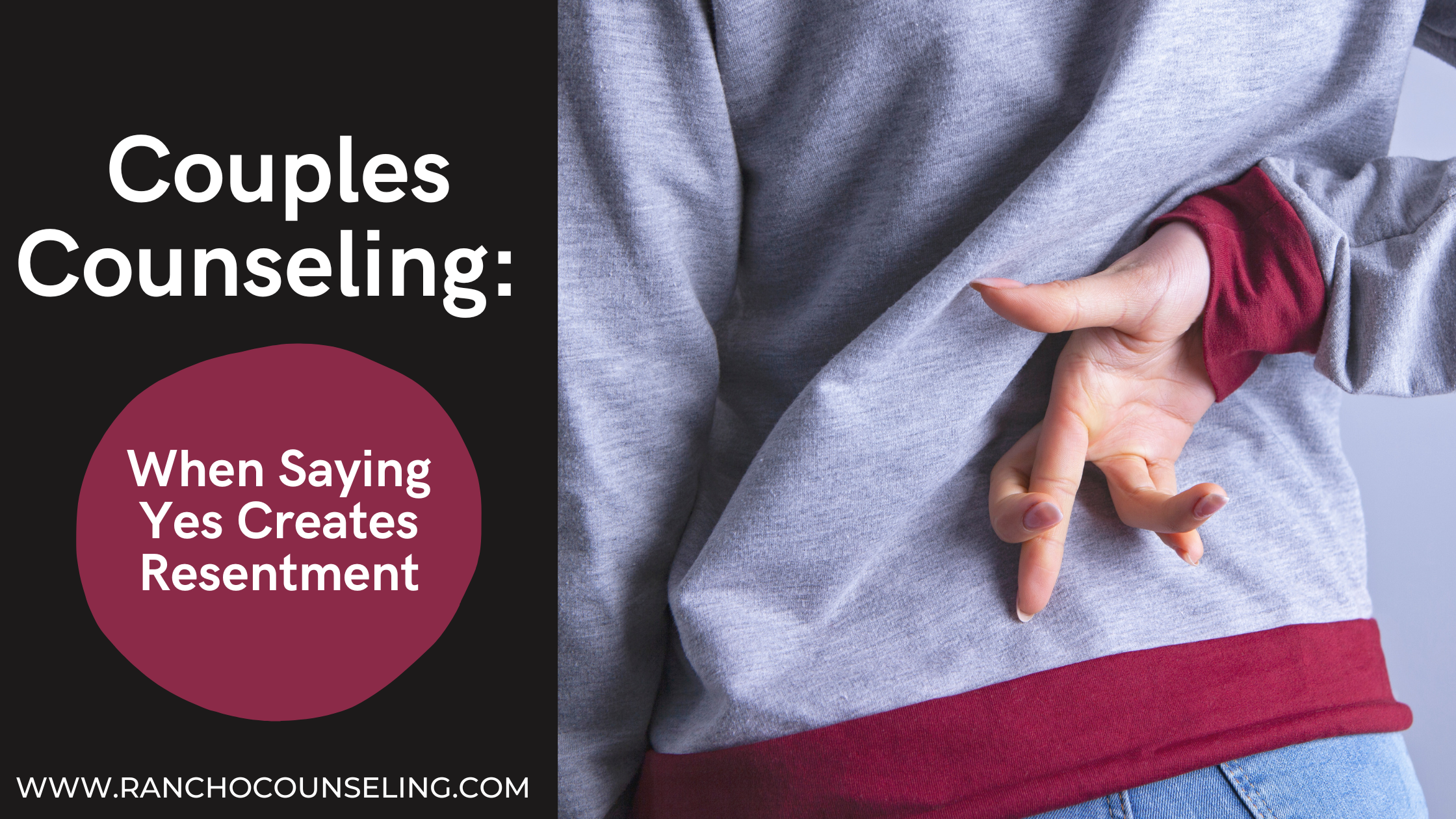
Couples Counseling: When Saying Yes Creates Resentment
Are you saying yes when you really mean no? Avoiding conflict may feel easier in the moment, but it often creates resentment and emotional distance. Learn how couples counseling can help you communicate more honestly and strengthen your relationship.

The other day, my 6-year-old daughter asked me to do a craft with her. I had a whole list of to-dos that I wanted to get done that day, and I knew if I didn’t get started early, I’d never complete all the things on my list.
She begged and pleaded with me, and I gave in. We made an origami sword that she ended up being obsessed with. She said it made her feel so powerful.
I wish I could say it was a great activity and that it was totally worth pushing off my to-do list for.
But unfortunately, that wasn’t the case.
She asked me to do a craft with her, but I ended up doing it for her. She did some cutting and project management, but it was an involved process that included many folds, multiple papers, and a glue gun. It was not something she could have completed on her own.
I begrudgingly folded and glued, and even though she came with excitement and encouragement, I was resentful.
I felt the annoyance radiating through my body, and it didn’t allow me to show up with an open heart. I was short and uninterested. It wasn’t what she deserved. It wasn’t even her fault. It was mine.
I had said yes when I meant no.
The entire project took maybe 30 minutes, but the entire time I was distracted thinking about what I needed to get done before we headed out on our camping trip the next day. I was grumpy and didn’t appreciate her enthusiasm and sweetness.
When it was finished, I totally regretted my withdrawn attitude.
That’s not how I want to show up in my relationship with her.

How Avoiding Conflict Creates Resentment in Relationships
That’s not how any of us should show up in our relationships, but it’s how I see so many couples show up toward one another.
As a therapist who provides couples counseling, I often see resentment growing when people say yes when they really mean no. We convince ourselves we're being kind, accommodating, or keeping the peace. But underneath the surface, resentment begins to build.
And when we feel resentful, it impacts our mood, our communication, and the way we approach the people we love most.
I was withdrawn with my daughter and unappreciative of her excitement.
How many times have you begrudgingly attended an event with your partner and looked for any reason not to have a good time?
You might drag your feet and show up late. You might nitpick the food, criticize the company, or find fault with your partner throughout the evening.
When we say yes when we mean no, it often leads to passive-aggressive behavior, emotional distance, and resentment. Ironically, the very conflict we were trying to avoid often becomes much bigger later.
Why Couples Avoid Difficult Conversations

So why do we do it?
Most people do it to avoid conflict.
Many people also do it because they don't want to disappoint their partner. Others do it because they feel guilty about something that happened in the relationship and believe they need to make up for it by always saying yes.
This is especially common after a betrayal, breach of trust, or major relationship conflict.
If you feel like you have to go along with whatever your partner wants because you made a mistake in the past, there is really no amount of people-pleasing or good deeds that will repair the relationship.
Healthy relationships aren't built on obligation.
They're built on honesty, authenticity, and open communication.
What Couples Counseling Teaches About Healthy Communication
One of the goals of couples counseling is helping partners communicate honestly without fear of conflict.
Conflict itself isn't the problem.
In fact, healthy conflict can lead to deeper intimacy, greater understanding, and stronger emotional connection.
The real problem is when couples avoid difficult conversations altogether.
When you continually suppress your feelings, avoid expressing your needs, or agree to things you don't actually want, resentment begins to take root. Over time, resentment can create emotional distance, increase defensiveness, and leave both partners feeling misunderstood.
Learning to say:
"I don't have the capacity for that right now."
"Can we find a compromise?"
"I want to support you, but I also need to be honest about what I'm feeling."
These conversations may feel uncomfortable in the moment, but they create much more connection than silently carrying resentment.
Couples Counseling Can Help You Stop Avoiding Conflict
If you find yourself avoiding difficult conversations, walking on eggshells, or struggling to express your needs, it may be time to take a closer look at what's happening beneath the surface.
You aren't showing up authentically, and you're doing a disservice to both your partner and the relationship.
Often, it's a sign that important issues aren't being addressed through open dialogue. Healing happens when both partners feel safe enough to be honest about their needs, disappointments, fears, and desires.
Sometimes that healing comes from doing your own inner work. Sometimes it comes from working together with a trained therapist through couples counseling.
The good news is that it's never too late to start having the conversations you've been avoiding.
If you're ready for a fresh start and want to improve communication, resolve resentment, and strengthen your relationship, we're here to help.
Schedule a free 15-minute phone consultation to learn more about couples counseling, relationship therapy, and intensive couples therapy options available in Rancho Cucamonga, Temecula, or online throughout California.
Alicia Taverner, LMFT, is a licensed marriage and family therapist who helps couples heal after infidelity, years of resentment, and the exhaustion of feeling stuck in the same painful patterns.
Her work helps partners begin to understand each other again, rebuild appreciation, and create lasting change with a focused, supportive approach. Alicia uses brain based techniques, including Brainspotting and ketamine assisted psychotherapy, in an intensive format that gives couples more room to heal without the start and stop of weekly sessions.
Learn more about Alicia’s work with affair recovery intensives, relationship therapy, and ketamine therapy, or visit her About page.