Couples Counseling: When Saying Yes Creates Resentment

The other day, my 6-year-old daughter asked me to do a craft with her. I had a whole list of to-dos that I wanted to get done that day, and I knew if I didn’t get started early, I’d never complete all the things on my list.
She begged and pleaded with me, and I gave in. We made an origami sword that she ended up being obsessed with. She said it made her feel so powerful.
I wish I could say it was a great activity and that it was totally worth pushing off my to-do list for.
But unfortunately, that wasn’t the case.
She asked me to do a craft with her, but I ended up doing it for her. She did some cutting and project management, but it was an involved process that included many folds, multiple papers, and a glue gun. It was not something she could have completed on her own.
I begrudgingly folded and glued, and even though she came with excitement and encouragement, I was resentful.
I felt the annoyance radiating through my body, and it didn’t allow me to show up with an open heart. I was short and uninterested. It wasn’t what she deserved. It wasn’t even her fault. It was mine.
I had said yes when I meant no.
The entire project took maybe 30 minutes, but the entire time I was distracted thinking about what I needed to get done before we headed out on our camping trip the next day. I was grumpy and didn’t appreciate her enthusiasm and sweetness.
When it was finished, I totally regretted my withdrawn attitude.
That’s not how I want to show up in my relationship with her.

How Avoiding Conflict Creates Resentment in Relationships
That’s not how any of us should show up in our relationships, but it’s how I see so many couples show up toward one another.
As a therapist who provides couples counseling, I often see resentment growing when people say yes when they really mean no. We convince ourselves we're being kind, accommodating, or keeping the peace. But underneath the surface, resentment begins to build.
And when we feel resentful, it impacts our mood, our communication, and the way we approach the people we love most.
I was withdrawn with my daughter and unappreciative of her excitement.
How many times have you begrudgingly attended an event with your partner and looked for any reason not to have a good time?
You might drag your feet and show up late. You might nitpick the food, criticize the company, or find fault with your partner throughout the evening.
When we say yes when we mean no, it often leads to passive-aggressive behavior, emotional distance, and resentment. Ironically, the very conflict we were trying to avoid often becomes much bigger later.
Why Couples Avoid Difficult Conversations

So why do we do it?
Most people do it to avoid conflict.
Many people also do it because they don't want to disappoint their partner. Others do it because they feel guilty about something that happened in the relationship and believe they need to make up for it by always saying yes.
This is especially common after a betrayal, breach of trust, or major relationship conflict.
If you feel like you have to go along with whatever your partner wants because you made a mistake in the past, there is really no amount of people-pleasing or good deeds that will repair the relationship.
Healthy relationships aren't built on obligation.
They're built on honesty, authenticity, and open communication.
What Couples Counseling Teaches About Healthy Communication
One of the goals of couples counseling is helping partners communicate honestly without fear of conflict.
Conflict itself isn't the problem.
In fact, healthy conflict can lead to deeper intimacy, greater understanding, and stronger emotional connection.
The real problem is when couples avoid difficult conversations altogether.
When you continually suppress your feelings, avoid expressing your needs, or agree to things you don't actually want, resentment begins to take root. Over time, resentment can create emotional distance, increase defensiveness, and leave both partners feeling misunderstood.
Learning to say:
"I don't have the capacity for that right now."
"Can we find a compromise?"
"I want to support you, but I also need to be honest about what I'm feeling."
These conversations may feel uncomfortable in the moment, but they create much more connection than silently carrying resentment.
Couples Counseling Can Help You Stop Avoiding Conflict
If you find yourself avoiding difficult conversations, walking on eggshells, or struggling to express your needs, it may be time to take a closer look at what's happening beneath the surface.
You aren't showing up authentically, and you're doing a disservice to both your partner and the relationship.
Often, it's a sign that important issues aren't being addressed through open dialogue. Healing happens when both partners feel safe enough to be honest about their needs, disappointments, fears, and desires.
Sometimes that healing comes from doing your own inner work. Sometimes it comes from working together with a trained therapist through couples counseling.
The good news is that it's never too late to start having the conversations you've been avoiding.
If you're ready for a fresh start and want to improve communication, resolve resentment, and strengthen your relationship, we're here to help.
Schedule a free 15-minute phone consultation to learn more about couples counseling, relationship therapy, and intensive couples therapy options available in Rancho Cucamonga, Temecula, or online throughout California.
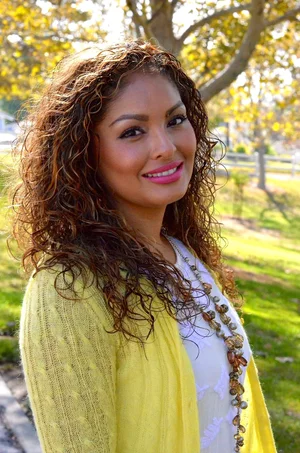
Alicia Taverner, LMFT, is a licensed marriage and family therapist who helps couples heal after infidelity, years of resentment, and the exhaustion of feeling stuck in the same painful patterns.
Her work helps partners begin to understand each other again, rebuild appreciation, and create lasting change with a focused, supportive approach. Alicia uses brain based techniques, including Brainspotting and ketamine assisted psychotherapy, in an intensive format that gives couples more room to heal without the start and stop of weekly sessions.
Learn more about Alicia’s work with affair recovery intensives, relationship therapy, and ketamine therapy, or visit her About page.