Have you ever looked at your partner and wondered, "How did we get here?"
Maybe you're having the same argument over and over. Maybe conversations feel transactional, revolving around schedules, kids, chores, and responsibilities instead of connection. Or perhaps you've noticed a growing emotional distance between you and the person you once couldn't wait to spend time with.
If any of this sounds familiar, you're not alone.
Many couples come to couples counseling in Rancho Cucamonga feeling frustrated, exhausted, and unsure how to break free from the patterns that keep pulling them apart. The encouraging news is that relationships rarely change because of one grand gesture. More often, transformation happens through small, consistent shifts that help partners feel seen, heard, and valued again.
While professional support can accelerate the process, there are simple strategies you can start using today to create more understanding and connection in your relationship.
Why Couples Get Stuck
Most couples don't wake up one morning suddenly disconnected. Instead, disconnection happens gradually.
A stressful job leads to less quality time together. Parenting demands consume your attention. Unresolved arguments pile up. Small hurts go unspoken. Over time, these experiences create emotional distance.
When couples feel disconnected, they often develop predictable patterns:
One partner pursues while the other withdraws.
Conversations quickly become defensive.
Assumptions replace curiosity.
Resentment grows beneath the surface.
Emotional intimacy begins to fade.
These patterns are common, but they aren't permanent. Understanding how to interrupt them is often one of the first steps we work on in couples counseling Rancho Cucamonga.

1. Lead With the Need, Not the Criticism
When you're hurting, frustrated, or feeling neglected, criticism often feels like the easiest way to communicate.
You may find yourself saying:
"You never help around the house."
"You're always on your phone."
"You don't listen to me."
"You care more about work than this relationship."
While these statements may contain some truth, they rarely produce the response you're hoping for.
Why?
Because criticism tends to trigger defensiveness. Instead of hearing your pain, your partner hears an accusation. Rather than moving toward you, they instinctively move into self-protection.
Underneath most criticism is an unmet need.
For example:
Instead of:
"You never help around the house."
Try:
"I've been feeling overwhelmed lately, and I'd really appreciate more support."
Instead of:
"You're always on your phone."
Try:
"I miss spending uninterrupted time together."
Instead of:
"You don't listen to me."
Try:
"I want to feel understood and connected when we talk."
Notice the difference.
The second version reveals vulnerability rather than blame. It gives your partner insight into your emotional experience and creates an opportunity for connection.
Why Vulnerability Works
Many people fear vulnerability because it feels risky. Criticism can feel protective because it keeps us from exposing our deeper emotions.
But healthy relationships are built on emotional honesty.
When you share your needs directly, you're inviting your partner into your experience rather than attacking them from the outside.
In marriage counseling Rancho Cucamonga, couples often discover that the argument they're having isn't really about dishes, text messages, or household responsibilities. It's about wanting to feel loved, appreciated, important, and emotionally safe.
Once those deeper needs become visible, meaningful conversations become possible.
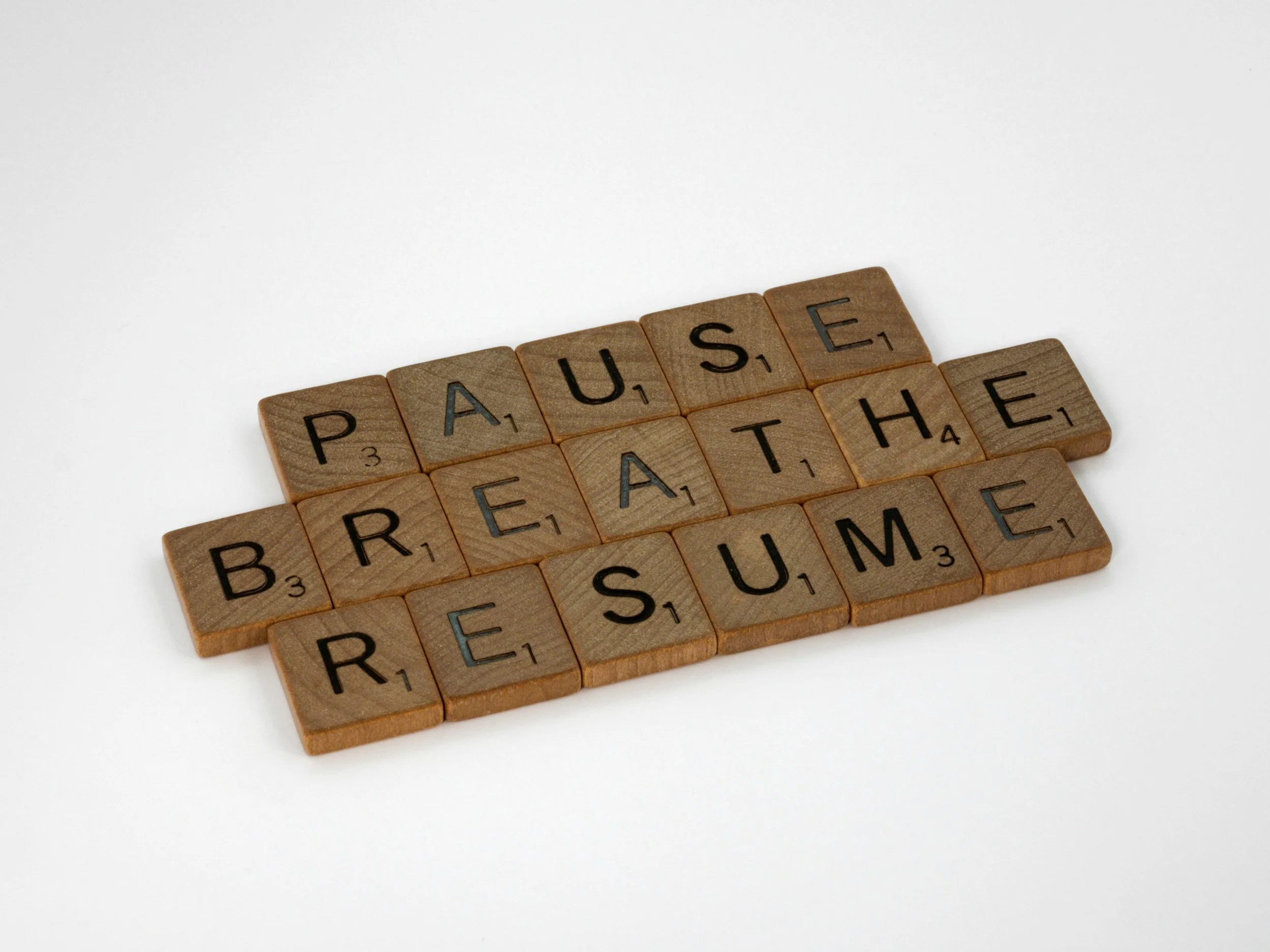
2. Harness the Power of the Pause
One of the biggest mistakes couples make during conflict is trying to solve problems when their nervous systems are already overwhelmed.
When we're emotionally activated, our brains become less capable of empathy, perspective-taking, and problem-solving. Instead, we move into survival mode.
You may notice yourself:
Raising your voice
Interrupting
Shutting down
Becoming defensive
Saying things you later regret
This is where the pause becomes incredibly powerful.
The next time a disagreement starts escalating, try stopping for just 30 seconds.
Ask yourself:
What am I feeling right now?
What do I need?
What outcome do I want from this conversation?
How do I want my partner to feel after we talk?
Taking a brief pause gives your nervous system an opportunity to regulate before responding.
The Difference Between Reacting and Responding
Reacting is automatic.
Responding is intentional.
When we react, we often speak from frustration, fear, or hurt.
When we respond, we speak from clarity.
A simple pause can be the difference between:
Escalating a conflict
Creating understanding
It may feel small, but this practice can dramatically improve communication over time.
In fact, many couples tell me that learning to pause during conflict is one of the most valuable skills they gain through couples counseling in Rancho Cucamonga.
The Importance of Micro-Moments of Connection
While conflict gets most of the attention, healthy relationships are built through everyday moments of connection.
Research consistently shows that strong couples turn toward each other in small ways throughout the day.
This might look like:
A six-second kiss before leaving for work
Sending a thoughtful text during the day
Holding hands while watching television
Making eye contact during conversations
Asking meaningful questions and listening to the answers
These moments may seem insignificant, but they help create emotional safety and trust.
When couples stop investing in these small interactions, disconnection often follows.
If your relationship feels distant, start by looking for opportunities to create more positive moments together rather than waiting for a major breakthrough.
When It May Be Time for Professional Support
Sometimes relationship challenges go beyond communication tips and self-help strategies.
If you're experiencing:
Constant arguments
Emotional disconnection
Trust issues
Infidelity or betrayal
Recurring resentment
Difficulty resolving conflict
A feeling that you're living like roommates
It may be time to seek professional guidance.
Working with a therapist can help you identify the underlying patterns driving your conflict and develop healthier ways of relating to one another.
At Rancho Counseling, we provide couples counseling Rancho Cucamonga for couples who want to rebuild trust, improve communication, strengthen emotional intimacy, and create lasting change. We offer both traditional therapy and private couples intensives designed to help partners make meaningful progress in a focused, supportive environment.
It's Never Too Late to Reconnect
Many couples wait years before seeking help because they believe things will eventually improve on their own.
Unfortunately, relationship problems rarely resolve through avoidance. More often, they grow larger over time.
The good news is that even relationships that feel stuck can change when both partners are willing to approach each other with curiosity, compassion, and commitment.
Small shifts—like expressing needs instead of criticism and learning to pause before reacting—can create powerful momentum toward healing.
And when you need additional support, you don't have to navigate it alone.
If you're looking for couples counseling in Rancho Cucamonga, we'd be honored to help you strengthen your relationship and rediscover the connection that brought you together in the first place.
Ready to Take the Next Step?
Schedule a FREE 15-minute consultation to learn more about our couples therapy and relationship intensives. We'll answer your questions, discuss your goals, and help you determine the best path forward for your relationship.
Alicia Taverner, LMFT, is a licensed marriage and family therapist who helps couples heal after infidelity, years of resentment, and the exhaustion of feeling stuck in the same painful patterns.
Her work helps partners begin to understand each other again, rebuild appreciation, and create lasting change with a focused, supportive approach. Alicia uses brain based techniques, including Brainspotting and ketamine assisted psychotherapy, in an intensive format that gives couples more room to heal without the start and stop of weekly sessions.
Learn more about Alicia’s work with affair recovery intensives, relationship therapy, and ketamine therapy, or visit her About page.